

Alright, so you’re looking for the beginner climbing shoes or the best gym climbing shoes, huh? It’s a jungle out there with all the options, and honestly, finding the right pair can feel like a whole climb in itself. Whether you’re just starting out and hitting the gym a few times a week, or you’re a seasoned climber who lives for that indoor wall, having the right shoes makes a huge difference.
We’ve checked out a bunch of them to help you figure out what works best for sticking those holds and making progress. Let’s get you sorted with some solid footwear.
Best Gym Climbing Shoes Post Key Takeaways
- Climbing gyms are getting super popular, and companies are making shoes specifically for indoor climbing, from beginner comfort to elite competition needs.
- Beginner-focused gym shoes are often comfy and help you learn, and they can also work well when you start climbing outside.
- For serious gym climbing, especially bouldering, shoes with a downturn and good hooking ability are common for steep routes.
- When picking gym shoes, think about what kind of climbing you do most – bouldering, lead climbing, or just general training.
- Comfort is important, especially for longer gym sessions, and many shoes are designed to be worn for extended periods without killing your feet.
La Sportiva Katana Lace
The La Sportiva Katana Lace has been a go-to for climbers for a long time, and for good reason. It’s like that reliable friend who’s always there for you, whether you’re hitting the gym or heading out for a long day on the rock. This shoe really shines in its versatility, managing to perform well across a bunch of different climbing styles.
When I first got my hands on these, I was impressed by how comfortable they felt right out of the box. They’ve got a mildly aggressive shape that’s good for steeper routes, but they don’t punish your feet when you’re smearing on slabs or trying to jam them into cracks. The men’s version is a bit stiffer, offering a nice balance between the comfort you’d want for a long day and the sensitivity needed for more technical moves. It’s not overly downturned or aggressively asymmetric, which makes it feel pretty natural, especially in cracks.
If you’re someone who doesn’t want a whole drawer full of specialized shoes, the Katana Lace is a solid choice. It’s stiff enough for multi-pitch adventures but sensitive enough for bouldering sessions. I’ve taken mine to various spots, from steep granite to knob-covered rock, and they’ve held up great. They’re a real workhorse, and I’m confident they’ll keep performing as I explore different types of climbing.
Here’s a quick rundown of what makes them stand out:
- All-Around Performance: Excels in gym climbing, bouldering, and multi-pitch routes.
- Comfortable Fit: Designed for extended wear without excessive discomfort.
- Durable Construction: Built to withstand regular use and various climbing conditions.
- Good Sensitivity: Offers enough feel for smaller holds and subtle features.
While the Katana Lace is a fantastic all-rounder, some climbers might find the heel cup design a bit particular. It’s worth trying them on to see how they fit your foot shape, especially if you have a narrower heel. This is a shoe that really rewards a good fit, so don’t skip that step if you’re considering them for your next climbing shoe purchase.
Overall, the La Sportiva Katana Lace is one of the best beginner climbing shoes option that offers a great blend of performance and comfort, making it a top pick for many climbers.
La Sportiva Tarantulace
The La Sportiva Tarantulace has been a go-to for gym climbers for ages, and honestly, it’s easy to see why. These aren’t the shoes you’ll see on the feet of elite athletes tackling gnarly overhangs, but for the everyday climber, they hit a sweet spot. They’re built for comfort, which is a big deal when you’re spending a couple of hours on the wall trying to figure out new moves.
What makes them so comfortable? Well, they have a pretty flat profile, meaning your foot stays in a natural position. No weird contortions needed here. Plus, the unlined leather upper molds to your foot over time, making them feel like a second skin, albeit a pretty tough one. This comfort factor is a huge plus for beginners who are still getting used to the feel of climbing shoes and don’t want anything too aggressive digging into their feet.
Durability is another strong suit for the Tarantulace. With a thick 5mm rubber sole, these shoes can take a beating. You won’t be rushing to the shoe repair shop after just a few months of climbing. They’re built to last, which is great for your wallet and your climbing progression.
When it comes to performance, the Tarantulace is a solid all-rounder. They don’t excel in any one specific area, like super steep routes or tiny edges, but they perform reliably across the board. This makes them a fantastic choice for learning the ropes, literally. You can focus on your technique without your feet being a major distraction.
Here’s a quick rundown of what you get:
- Comfortable Fit: Flat profile and natural foot position.
- Durable Construction: Thick rubber sole for longevity.
- Versatile Performance: Good for a variety of gym climbing.
- Beginner Friendly: Easy to wear and great for learning.
If you’re just starting out or looking for a comfortable, no-fuss shoe for your gym sessions, the La Sportiva Tarantulace is definitely worth considering. They might not be the flashiest, but they get the job done reliably.
Scarpa Arpia V
Stepping up your climbing game? The Scarpa Arpia V might be just the ticket. It’s designed for folks moving beyond those super flat, beginner shoes, offering a bit more performance without feeling like your feet are in a vice. Think of it as a nice middle ground, a soft bridge to more aggressive climbing footwear.
These shoes have a moderate downturn and a touch of asymmetry, which helps with hooking onto holds. The upper is made of a soft microfiber, and they use Vibram XS Grip 2 rubber on the sole. This combo is pretty sweet for sticking to those big, plastic volumes you find all over indoor climbing walls. They feel good right out of the box, too, which is always a plus.
However, they aren’t perfect for every situation. The toe isn’t super pointy, so jamming them into tiny cracks or pockets isn’t their strongest suit. Also, if you’re on the heavier side, the midsole is a bit soft, so you might not get as much support on really long, vertical routes.
Here’s a quick rundown of what they offer:
- Comfortable Fit: Generally wider and more forgiving than many performance shoes.
- Good Grip: Vibram XS Grip 2 rubber sticks well to most gym holds.
- Versatile Performance: Works well for edging and smearing on various hold types.
- Transition Shoe: Ideal for intermediate climbers looking to improve.
While they perform admirably on a variety of indoor and outdoor routes, including some harder climbs, testers noted that the midsole can start to break down after a good amount of use. This means they might not hold up as long for climbers who are really pushing the limits or are heavier.
Overall, the Arpia V is a solid choice if you’re looking for a comfortable shoe that offers a step up in performance for gym climbing and general outdoor use, without sacrificing too much comfort.
Scarpa Drago
The Scarpa Drago is a shoe that really leans into its strengths, making it a standout for specific types of climbing. It’s basically a high-performance rubber sock designed for steep, gymnastic movement. The extended M50 rubber over the toe is a game-changer for toe-hooking, letting you really grab onto features that other shoes might just slip off. You can feel every tiny bit of texture underfoot, which is awesome for trusting your feet on small holds. It’s like having an extra set of sensitive fingers on your toes.
This shoe is built for aggressive downturn and a snug fit, which helps keep your power focused on the big toe. It’s fantastic for steep bouldering and sport routes where you need to pull your body into the wall. The sensitivity is unmatched; you can practically feel the texture of the rock through the sole. It’s a precision tool, really, meant for those moments when you need absolute confidence in your footwork.
However, this level of performance comes with a trade-off. The Drago is known for being quite fragile. The soft rubber and thin upper can wear down quickly, especially on sharp rock. It also doesn’t offer much support for vertical or less-than-vertical terrain, so you’ll need strong feet to avoid cramping on longer, less steep climbs. If you’re planning on long multi-pitch routes or a lot of slab climbing, you might want to look at something more supportive, like the Scarpa Generator or the TC Pro.
Here’s a quick look at what makes the Drago special:
- Toe Hooking: The extensive M50 rubber provides incredible grip for toe hooks.
- Sensitivity: You can feel the rock exceptionally well, aiding balance and precision.
- Aggressive Fit: The downturned shape and snug fit are ideal for steep climbing.
While it excels on steep terrain and for bouldering, its delicate nature means it’s not the best all-arounder. It’s a specialized shoe for climbers who prioritize performance on overhanging routes and in the bouldering gym.
La Sportiva Solution Comp
The La Sportiva Solution Comp is a shoe built with competition climbing in mind. It takes the successful design of the original Solution and tweaks it for a more modern, performance-focused feel. This shoe really shines when you need precision on steep, overhanging terrain.
Compared to its predecessor, the Solution Comp features a redesigned heel. The original had a rounder, more voluminous heel cup, which some climbers found created dead space and made heel hooks less effective.
The Comp sports a lower-profile, snugger heel that aims for a more secure fit and better hook performance right out of the box. It also boasts a pointed toe box and a generous amount of rubber on the front for toe hooking and scumming, which are super important in comp settings.
While it’s a competition shoe, don’t think it’s only for the gym. You can definitely take these outside. The midsole offers a decent amount of support for edging, but overall, the shoe leans towards the softer side. This means it might not be the first choice for super technical, vertical routes where tiny foot placements are key. However, for steep sport routes and bouldering problems, especially those that demand powerful toe and heel hooks, the Solution Comp is a serious contender.
Here’s a quick look at its specs:
- Rubber: 3.5mm Vibram XS Grip 2
- Profile: Asymmetrical, downturned, and aggressive
- Key Features: Narrow heel, soft and sensitive feel, large rubber toe patch
This shoe is a specialized tool, really honed for the demands of indoor competition climbing. Its sensitivity and hooking capabilities are top-notch, making it a favorite among high-level competitors.
Evolv Defy
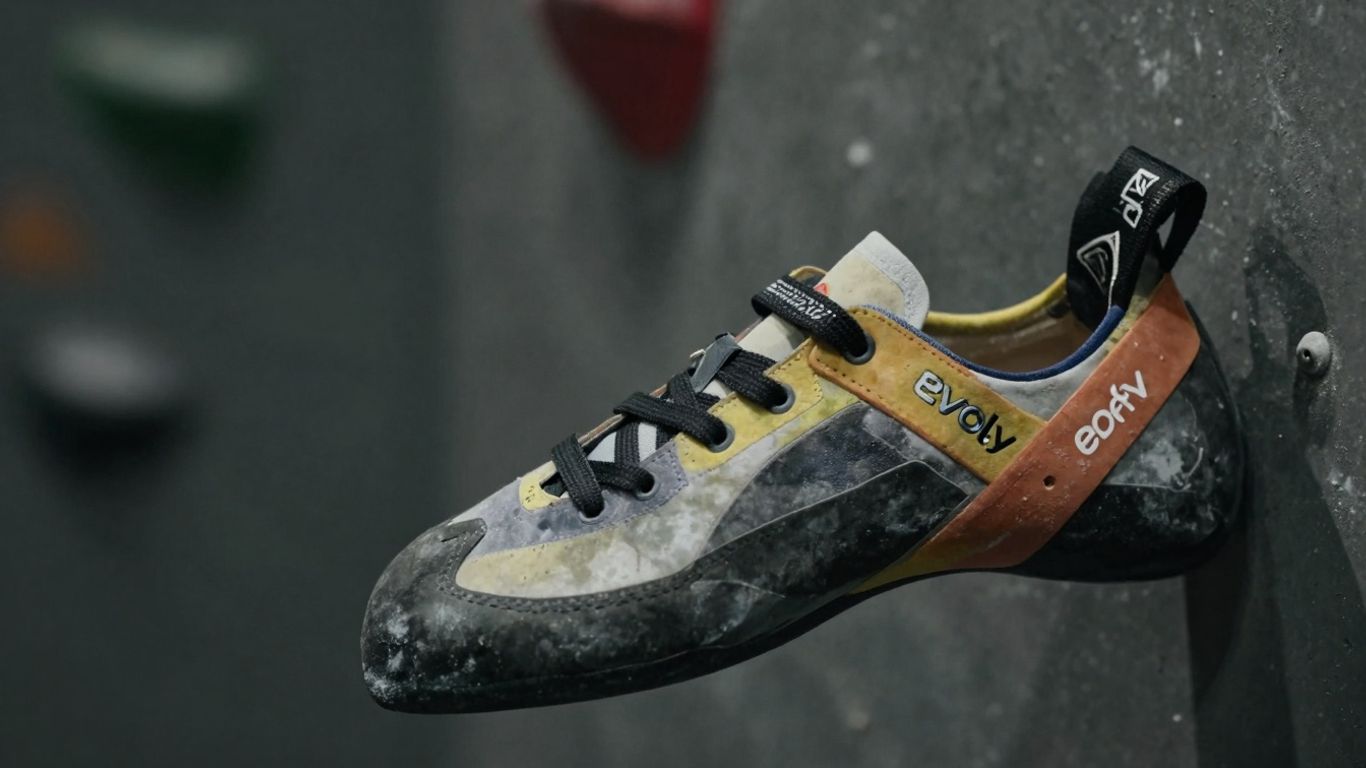
The Evolv Defy is a solid choice for climbers looking to step up their game without breaking the bank. It’s one of those shoes that feels surprisingly capable for its price point, making it a great option for those who are past the absolute beginner stage but not quite ready for super aggressive, high-end models.
When they updated the Defy, Evolv added a bit of downturn and asymmetry. They also put in a thinner, 3.5mm Trax SAS rubber sole. This makes the shoe feel more sensitive, which is pretty neat for a shoe that often hovers around the $100 mark. It means you can actually feel what your feet are doing on the wall, which is a big help when you’re trying to get better at placing your feet precisely.
Here’s a quick rundown of what you can expect:
- Comfortable Fit: The Defy generally offers a pretty relaxed fit, making it suitable for longer gym sessions. It’s not overly tight or constricting.
- Good for Edging: While not the stiffest shoe out there, it provides enough support to stand on smaller holds reasonably well.
- Decent Sensitivity: The thinner rubber allows for a bit more feedback from the rock or plastic, helping you make more informed foot placements.
- Durable Construction: For the price, these shoes tend to hold up well, which is always a plus.
One thing to note is that the Defy can feel a bit stiff, especially with its full-length midsole and outsole. This stiffness can sometimes make smearing on very specific types of friction holds a little less effective. However, for newer climbers still developing foot strength, this stiffness can actually be beneficial. It provides a stable platform as your foot muscles get stronger.
Overall, the Evolv Defy is a well-rounded shoe that punches above its weight. It’s a shoe that can genuinely help you improve your footwork and confidence on the wall, whether you’re hitting the gym or venturing outdoors on easier routes.
Butora Rubicon
When I first heard about the Butora Rubicon, I was a little skeptical. Most shoes marketed towards beginners or intermediates can feel a bit… well, basic. They often lack the precision you need to really learn good footwork, and sometimes they just feel like a cheap imitation of a real climbing shoe. But the Rubicon? It actually surprised me. It manages to offer solid support for your feet, which is super important when you’re building strength, without feeling like a clunky brick.
What I liked is that it has a slight downturn and a toe box that’s pointed enough to get into small holds. The upper is made of this comfy, breathable material that feels good even on longer sessions. And the rubber on the sole is pretty sticky, which helps you feel secure on the wall. I even took them out on some steeper stuff and slab, and they held up better than I expected, performing well for routes up to 5.13- and V7/8. That’s pretty impressive for a shoe in this category.
Durability is also a plus here. They feel well-made, and the company says they can be resoled, which is great for getting more life out of them. Just a heads-up, the toe area is quite stiff and covered in rubber, so it doesn’t stretch much. If you plan on doing a lot of smearing or multi-pitch climbing, you might want to go up half a size from your street shoes to get a bit more comfort and space.
Here’s a quick rundown:
- Upper Material: Microsuede
- Sole Rubber: 4 mm Butora NEO Fuse
- Midsole: Half-length ABS for forefoot support
- Closure: Lace-up
This shoe strikes a good balance between comfort for newer climbers and performance that can keep up as you get better. It’s a shoe that teaches you to trust your feet on smaller holds, which is a big deal when you’re starting out or moving up the grades.
La Sportiva Mandala
The La Sportiva Mandala is an interesting shoe, really building on that whole “No-Edge” idea. Think of it as a middle ground between super-sensitive shoes and ones that offer a lot of support. The big thing here is how the rubber wraps all the way around the toe without a sharp edge. This is supposed to give you more contact with the wall, especially on those big, rounded volumes you find in gyms. It feels pretty good when you’re moving dynamically or doing toe hooks.
However, this “No-Edge” thing isn’t for everyone. If you’re mostly climbing on tiny edges outdoors, you might find it a bit too soft and unstable. It’s definitely more of a specialized tool for gym climbing or maybe certain types of rock like sandstone, rather than an all-around shoe.
Here’s a quick rundown:
- Fit: Generally a snug, precise fit.
- Rubber: Vibram XS Grip 2, which is known for being sticky.
- Closure: Simple Velcro strap, making it easy to get on and off.
While the Mandala excels on steep terrain and smearing, its unique construction means it might not be the best choice for pure edging on vertical routes. It rewards a specific style of climbing, so trying them on is a good idea.
Scarpa Veloce L
The Scarpa Veloce L is a really solid choice if you’re spending a lot of time indoors and want a shoe that can handle it all without feeling like your feet are being tortured. It’s super light, which is a big plus when you’re climbing for a while. The rubber they use is soft and grippy, making it feel really connected to the wall, especially on those big, sculpted holds you find in gyms.
This shoe is designed for comfort during extended gym sessions. It’s got this offset lacing system that really lets you dial in the fit, which is great because they do stretch a bit, so you might want to go down a half size. It feels almost like a performance sock, which sounds weird, but it works.
I found these great for all sorts of climbing, from slabby stuff to steeper routes. They’re really responsive, so you can feel what your feet are doing.
- Lightweight Design: Makes long gym sessions much more bearable.
- Soft, Grippy Rubber: Provides excellent traction on indoor volumes.
- Adjustable Fit: The offset lacing system allows for a precise fit.
- Comfortable for Extended Wear: Designed to keep your feet happy for hours.
They aren’t the best for super tiny edges where you need a really stiff shoe, but if you have strong feet, you can make them work. The sole is pretty thin, so you’ll feel the holds, which is good for sensitivity but might require a bit of pain tolerance on really sharp stuff. Overall, a great all-around gym shoe that won’t break the bank.
Ocun Diamond S
The Ocun Diamond S is a shoe that really shines when you’re spending a long time at the gym. It’s got this noticeable inward curve right from the start, making it pretty asymmetrical. This kind of shoe is great if you have strong toes and like to really articulate your foot around holds, especially on steeper angles or spray walls. I found it worked really well on the MoonBoard, and my friend Mary had a similar experience on the Tension Board, saying she could dig the downturned toe into small crimps.
One of the best things about the Diamond S is how comfortable it is for extended sessions. The upper is made of breathable mesh, and there’s not much of a midsole, so your feet tend to stay cool and dry. Mary mentioned she could do multiple short bursts of climbing without her feet getting too hot. The straps do a good job of letting you really cinch down the fit in the middle of the shoe.
While the heel fit can be a bit polarizing depending on your foot shape, the overall comfort and sensitivity make this a solid choice for dedicated gym climbers. It’s a shoe that lets you focus on your climbing, not your feet.
However, it’s worth noting that this shoe is on the softer side. For really precise edging on vertical terrain, you might find yourself wishing for a bit more support. It also requires a bit more effort to get good friction on slab climbs.
But if you’re a boulderer or a comp climber looking for a soft, highly asymmetrical shoe that excels on steep walls and holds, the Diamond S is definitely worth checking out. It’s a specialized tool, but a really effective one for the right job. You can find more details about the Ocun Diamond S on climbing sites.
Tenaya Iati
The Tenaya Iati has been around for a bit, but it’s still a serious contender, especially if you’re into edging. It’s one of those shoes that feels surprisingly light, almost like gossamer, despite its robust construction. This shoe is built for precision and support, making it a fantastic choice for those tricky routes that demand you stand on tiny holds.
What’s cool about the Iati is how it balances seemingly opposite features. You get an aggressive shape and a downturn, but it also has a full-length sole that’s quite stiff. This combination means you can really power through small features. It’s great for those moments when you need to zero in on a minuscule foothold and commit.
Here’s a quick rundown of what makes it stand out:
- Astonishing Stiffness and Support: Perfect for edging and maintaining stability on small holds.
- Pronounced Big-Toe Bite: Helps you engage with holds more effectively.
- Lightweight Feel: Despite its support, it doesn’t feel clunky on your foot.
- Breathable Uppers: Keeps your feet more comfortable during longer sessions.
I found the Iati to be a real technical edging beast, both at the gym and out on the rock. It really shines on vertical to slightly overhanging terrain where precise footwork is key. While it can handle smearing and hooking, its true talent lies in its ability to stand on the smallest edges.
If you’re looking for a shoe that offers incredible performance for edging projects, the Iati is definitely worth a look. It’s a shoe that allows you to really push your limits on challenging climbs. You can find more details about its performance on various climbing projects.
Scarpa Generator Mid
The Scarpa Generator Mid is a serious contender for anyone spending a lot of time in cracks, especially the wider ones. Scarpa really put in the work on this one, with tons of prototypes, and it shows. It’s built to tackle those long, multi-pitch trad routes where comfort and protection are just as important as performance.
This shoe is noticeably stiffer than many others, which is great for support on long days and for really digging into edges. The Vibram XS Edge rubber is a solid choice, offering good grip and durability. What really sets the Generator Mid apart, though, is its fit. It’s designed with a higher volume in mind, making it a much more comfortable option for climbers who find shoes like the La Sportiva TC Pro a bit too snug, particularly in the toe box. The padded ankle cuff is a lifesaver for wide crack climbing, protecting your bones without feeling overly restrictive.
However, that slightly bulkier toe box can be a bit of a drawback when you’re trying to get into really thin finger cracks. It’s not impossible, but it definitely requires a bit more finesse than a lower-profile shoe. So, if your climbing is mostly steep face climbing with tiny holds, this might not be your go-to. But for granite slabs, splitter cracks, and anything involving off-width sections, the Generator Mid is a fantastic choice.
Here’s a quick rundown of who might love this shoe:
- Climbers who spend a lot of time on multi-pitch trad routes.
- Anyone who struggles with wider cracks and needs extra ankle protection.
- People with a slightly higher volume foot who find many performance shoes too narrow.
- Those who appreciate a stiffer shoe for support and edging power.
While it’s built for the demands of trad climbing, its stiffness and supportive nature can also be beneficial for climbers who need extra stability on longer gym routes or for those with foot fatigue issues. It’s a shoe that prioritizes protection and support, making it a reliable partner for extended climbing sessions.
La Sportiva Miura VS
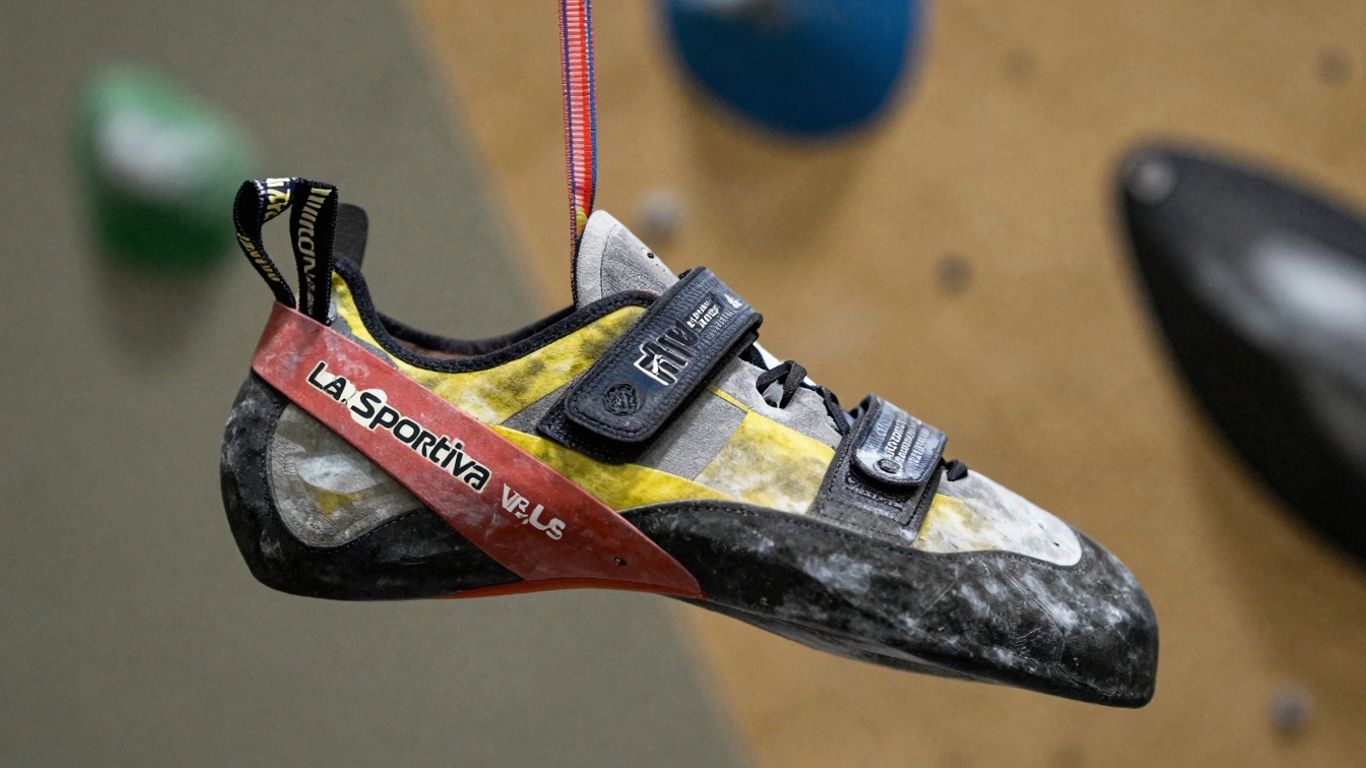
Okay, so the La Sportiva Miura VS. This shoe has been around for a while, and for good reason. It’s like that reliable friend who always shows up when you need them, especially when the climbing gets a bit more serious. The Miura VS is a powerhouse for technical face climbing and steep routes.
When they re-released this one for 2024, they made a few tweaks. The heel cup is a bit narrower, and they’ve used some recycled materials in the tongue and rubber, which is pretty cool. I noticed right away that it felt more comfortable across the top of my foot, even when I really cranked down the straps. That P3 midsole system La Sportiva uses really locks your foot into a powerful position, which is great for those tiny footholds.
Here’s a quick rundown of what I found:
- Precision: The pointy toe box is still as sharp as ever. It’s fantastic for digging into small edges on granite or limestone, especially on routes that are slightly overhanging. You can really trust your feet on this shoe.
- Fit: The updated fit feels a bit more accommodating than older versions, which is a definite plus. The heel hooking is solid, and the straps stay put.
- Stiffness: This shoe is definitely on the stiffer side. While that’s awesome for edging and supporting your foot on small holds, it means smearing can feel a little less sensitive. On really slick gym volumes, it wasn’t my first choice.
The Miura VS feels like a shoe built to last. It’s stiff, precise, and holds your foot well for aggressive climbing. While it might not be the go-to for pure smearing sessions, its strength lies in its ability to power through difficult edging and steep terrain. It’s a shoe that feels overbuilt in the best way possible, ready for multiple resoles and many more climbs.
It’s a shoe that feels like it’s made for performance, and honestly, it delivers. If you’re looking for a shoe that excels on steep, technical climbs and offers great support, the Miura VS is definitely worth checking out.
Mad Rock D2 One
The Mad Rock D2 One is a pretty solid shoe, especially if you’re spending a lot of time in the gym or on sport routes. It feels really precise, which is great when you’re trying to hit those tiny holds. The toe box is sharp and pointed, helping you get your foot into small pockets and onto small edges. I found it to be really supportive, and the fit felt pretty snug, almost like it molded to my foot after a bit of wear.
One of the standout features is the heel. It’s got this unique shape that really locks onto heel hooks, even when they’re a bit awkward. It’s not the softest shoe out there, so if you’re big on smearing, you might find it a little less forgiving. It’s definitely built more for edging and precise footwork.
Here’s a quick rundown:
- Upper Material: Syn Flex
- Sole Rubber: Science Friction 3.0
- Weight: Around 19.4 oz per pair
This shoe strikes a good balance between being stiff enough for edging and supportive for steep climbing, without feeling overly rigid. The pointed toe and secure heel make it a strong contender for technical routes and bouldering problems where precision is key. It might not be the best for pure slab climbing where smearing is the main technique, but for most gym climbing scenarios, it performs admirably.
Overall, the D2 One is a versatile option that offers a lot of performance for its price point. It’s a shoe that feels good on your feet and helps you climb better, especially on those smaller holds.
Ocun Ozone
The Ocun Ozone has been around for a while, and for good reason. It’s a shoe that really shines when you need to put a lot of power into small holds, especially in the gym. It’s got this cool mix of being stiff in the front for solid edging but also surprisingly sensitive in the heel. This makes it great for those steep, overhanging routes where you’re really digging your toes in. I found it particularly good for those tiny jibs and micro-edges you find on modern gym routes.
It uses a 4mm Vibram sole, which gives you a good balance of grip and durability. The microfiber upper is pretty comfortable, and while it might feel a bit stiff at first, it does break in and mold to your foot. One thing to note is that the pronounced asymmetry and mild downturn mean it’s really designed to drive your big toe forward. This is awesome for precision, but if you have a flatter foot shape, it might feel a bit intense.
Here’s a quick look at what makes it tick:
- Stiff Forefoot: Thanks to a 3D midsole and a tension rand, it provides a solid platform for edging.
- Sensitive Heel: Despite the stiff front, the heel is softer, allowing for better feel and hooking.
- Asymmetrical Toe: Designed for maximum power and precision on small footholds.
- Durable Rubber: Features a 4mm Vibram sole for reliable grip.
While it excels on steep terrain and small holds, some climbers might find its stiffness less ideal for smearing on slabby routes. It takes a little getting used to, but the payoff on steep, powerful climbing is definitely there.
Red Chili Voltage X
The Red Chili Voltage X is a bit of a unique shoe, aiming to blend comfort with performance, especially for gym climbing. It’s designed with a pretty soft feel, which is great for long sessions where you don’t want your feet screaming at you. This shoe really shines when it comes to smearing on those big, rounded gym volumes. It feels agile enough for toe and heel hooking too, making it a solid choice for bouldering and sport climbing indoors.
One thing to note is the toebox. It’s on the wider, rounder side. This means it’s not the most precise shoe for super tiny edges, but that softness and width are exactly what you want for powerful moves on steep terrain and for really digging into those volumes. It’s a shoe that lets you grip with your forefoot, which can feel really secure.
I’ve heard some people mention the Velcro closure can be a bit finicky, sometimes coming undone. Personally, I haven’t had that issue, and even if it did loosen a bit, the shoe’s sock-like fit kept it on my foot. They’ve held up pretty well over time too, which is nice for a softer shoe that can sometimes wear out faster.
If you’re looking for a comfortable, capable shoe for gym climbing, especially if you like to smear, the Voltage X is definitely worth checking out. It’s a good option if you’re looking for something that feels good on your feet all day, like the Voltage LV II.
Here’s a quick rundown of what makes it stand out:
- Great for Smearing: The soft rubber and wide forefoot make it excellent for sticking to volumes.
- Comfortable for Long Sessions: Its relaxed fit means less foot fatigue.
- Good for Steep Climbing: The design helps you power through overhangs.
- Agile Hooking: Works well for toe and heel hooks on modern gym routes.
While it might not be the sharpest tool for micro-edging, its strengths lie in its comfort and smearing ability, making it a favorite for many gym climbers.
Scarpa Boostic R
Alright, let’s talk about the Scarpa Boostic R. This shoe is pretty much a scalpel for your feet, designed for those super technical face climbs where you need to stand on the tiniest edges. It’s built to put all your weight onto a single point on your big toe, thanks to its super asymmetric shape and that V-Tension active randing system. Seriously, if you’re into steep sport routes or trad climbing that demands absolute precision, this shoe is a serious contender.
It’s definitely on the stiffer side, which is great for edging, but don’t expect it to be your go-to for smearing on slabs or those big, rounded indoor volumes. You’ll probably want something a bit softer for that. It’s not the most comfortable shoe for just hanging out, but that’s kind of the point – it’s a specialized tool for when you need to push your limits.
Here’s a quick rundown of what makes it tick:
- Last: Highly Asymmetric / Downturned (FZ Last)
- Rubber: Vibram XS Edge (4mm) – great for grip on small holds.
- Upper: Alcantara / Suede blend – offers a snug fit.
- Tension: V-Tension Active Rand – really focuses power to the toe.
This shoe is a commitment. It requires a significant break-in period, so don’t expect to pull it out of the box and crush your hardest project. Patience is key, and once it molds to your foot, it becomes an extension of your climbing will. It’s a shoe you’ll likely keep in your bag for those specific, challenging routes rather than for general gym use.
If you’re looking to really dial in your performance on steep, technical climbs, the Boostic R is worth checking out. It’s a shoe that rewards commitment and precision, making those seemingly impossible foot placements feel a little more manageable. You can find more details on Scarpa’s performance footwear here.
La Sportiva TC Pro
The La Sportiva TC Pro is a shoe that’s pretty much synonymous with big wall climbing and long, technical granite routes. It’s named after Tommy Caldwell, and honestly, it feels like it was built for those kinds of epic days.
The shoe has this stiff, board-lasted feel thanks to its P3 platform and Vibram XS Edge rubber. What this means for you is that it’s a solid lever for standing on tiny crystals for ages without your calves screaming at you. Plus, the mid-top design is a real lifesaver when you’re jamming your feet into wide cracks, offering some much-needed ankle protection.
Now, it’s not exactly a fluffy slipper, so don’t expect cloud-like comfort if you’ve got wider feet. The flat, low-volume shape can feel pretty snug, and its stiffness isn’t ideal for those slappy gym volumes or super steep sport routes. It’s a specialized tool, really.
Here’s a quick rundown of what makes it tick:
- Primary Use: Big wall, trad climbing, technical face climbing.
- Key Features: Mid-height ankle protection, stiff sole for edging, P3 platform for longevity.
- Rubber: Vibram XS Edge – known for its durability and solid edging performance.
- Fit: Generally a snug, low-volume fit; consider sizing up if you have wider feet.
While it excels on granite and in crack systems, its stiffness and flat profile mean it’s not the go-to for steep, overhanging sport routes or bouldering where flexibility is key. It’s a shoe built for endurance and precision on specific types of rock.
Scarpa Instinct S
Alright, let’s talk about the Scarpa Instinct S. These are a bit of a departure from your typical slipper, and honestly, I was pretty impressed. They manage to feel really comfortable, especially if you’ve got wider feet, but they don’t totally sacrifice performance. It’s like they found a sweet spot between feeling good and actually being able to climb hard.
What Scarpa did here is pretty clever. They’ve got this tensioning system that really pulls your foot into the front of the shoe, giving you a decent platform for edging, even though the shoe itself is pretty soft. This makes them feel super sensitive, so you can really feel the rock or the plastic under your feet. I found myself feeling more confident on smaller holds because I could actually feel what I was standing on. They’re definitely softer and more sensitive than some of the stiffer options out there, which can sometimes feel a bit clunky.
However, because they’re so soft, they’re not really the best choice for long days on really vertical routes where you’re just standing around a lot. They’re more for those steep, techy climbs where you need to be precise and feel every little feature. They’re also pretty good for toe hooks and stuff on steeper terrain, which is a nice bonus.
Sizing can be a little tricky with these. Some people found sizing down a full size from their street shoes worked well, while others found a half-size down was enough. It really depends on how snug you like your slippers. The heel is designed to fit pretty snugly, so you should get that satisfying ‘suck’ when you pull them on if the fit is right.
Here’s a quick rundown of what makes them tick:
- Sensitivity: You can feel the holds really well.
- Comfort: Good for wider feet, and generally comfortable out of the box.
- Performance: Great for steep, technical climbing and toe hooking.
- Tensioning System: Helps create an edging platform on a soft shoe.
If you’re looking for a slipper that can actually perform on a variety of terrain, especially if you’ve struggled to find comfortable slippers in the past, the Scarpa Instinct S is definitely worth checking out. Just don’t expect them to be your go-to for all-day multi-pitch adventures.
Evolv Venga
The Evolv Venga is a solid choice for younger climbers looking for a shoe that doesn’t skimp on performance. It’s designed to help them improve their footwork, which is pretty cool. This shoe offers a good mix of comfort and durability, making it suitable for those longer gym sessions.
One of the standout features is its asymmetrical shape and tapered toebox. This design helps young climbers apply power to their toes and hit those small, technical holds with more accuracy. It’s nice to see a shoe that considers the needs of developing climbers, giving them features usually found on adult models.
Here’s a quick look at what makes the Venga a good option:
- Comfortable Fit: Designed to be comfortable for extended wear.
- Durable Construction: Built to withstand the rigors of regular gym climbing.
- Performance Rubber: Features the same sticky Trax SAS rubber found on Evolv’s higher-end shoes, providing good grip.
- Easy Closure: A simple Velcro strap makes it quick and easy to get on and off, and to adjust the fit.
While it might not be the best for aggressive heel or toe hooking, the Venga strikes a great balance. It’s a shoe that supports a climber’s progression without breaking the bank.
It’s important that younger climbers have access to quality gear. The Venga aims to provide that, offering a shoe that feels good and performs well, helping build confidence on the wall.
Black Diamond Aspect Pro
Black Diamond’s foray into the climbing shoe world has been a bit of a slow burn, but the Aspect Pro ($200) is a shoe that’s starting to make some noise. It’s pretty clear they were aiming for a similar niche as the La Sportiva TC Pro with these, and honestly, it’s hard not to draw comparisons. But let’s set the TC Pros aside for a moment and look at the Aspect Pros on their own merits.
These shoes are fairly stiff and have a slight downturn, with a mostly symmetrical shape. This makes them quite comfortable for long days out, whether you’re on a multi-pitch trad climb or just spending hours at the gym.
The high ankle cuff is a nice touch, offering some protection when you’re jamming your feet into cracks. Plus, the rand extends over the toe box, which is great for added durability when you’re really working those foot jams. The rubber feels comparable to other sticky rubbers out there; we didn’t feel like the shoe was holding us back on technical slab sections.
For trad climbers or anyone looking to tackle tall routes, the Aspect Pros are a solid contender, assuming you get a good fit.
When stacked up against the TC Pros, the Aspect Pros feel noticeably less stiff right out of the box. This can be a good thing initially, as the TC Pros can take a while to break in. However, the Aspect Pros tend to get too soft for peak performance once they’re well broken in, in our experience.
This is super subjective, though, so trying them on is key. If you’re after a trad shoe that won’t make your arches scream after a few pitches, these are a great option. Just remember that a bit of that extra stiffness in other shoes often translates to more power on tiny holds.
Here’s a quick rundown of what we found:
- Weight: 8 oz
- Upper Material: Microfiber
- Sole Rubber: 4 mm CAT Rubber 1.5
- Key Features: Durable rand, ankle-high cuff, grippy toe patch
While Black Diamond’s shoe lineup is still growing, the Aspect Pro is one of the first models we can confidently recommend. It offers a comfortable, supportive feel for long days on the rock, especially for those who prefer a less aggressive shoe for crack climbing and general trad ascents.
Scarpa Generator
Scarpa’s Generator is a serious contender in the world of trad climbing, aiming to challenge the long-standing dominance of shoes like the La Sportiva TC Pro. This shoe is built for those long days on granite, tackling everything from thin cracks to wider off-widths. It’s a stiff shoe, especially when new, thanks to its full-length midsole and supportive tension system. This stiffness helps keep your feet from getting too tired on multi-pitch routes.
One of the standout features is the ankle padding. If you’ve ever found other shoes painful in wide cracks, the Generator’s well-padded cuff might be a game-changer. It offers protection without feeling overly restrictive. Scarpa put a lot of work into this design, with nearly 100 prototypes, and it shows in how well it handles different types of climbing.
- Best for: Multi-pitch trad, crack climbing, granite faces.
- Consider if: You need ankle protection for wide cracks.
- Might not be ideal for: Purely gym climbing or very thin, precise face climbing.
The Generator’s toe box is a bit bulkier than some other performance shoes, which is great for jamming but can feel less sensitive on tiny edges. It’s a trade-off for that added comfort and protection in wider cracks. If you’re looking for a shoe that can handle a variety of technical trad scenarios, especially those involving cracks, the Scarpa Generator is definitely worth a look. It’s a solid option for serious trad climbers seeking all-day comfort.
Key Features:
- Rubber: 3.5mm Vibram XS Grip
- Profile: Downturned and aggressive
- Construction: Pointy toe, split sole
Tenaya Indalo
The Tenaya Indalo is a shoe that really hits a sweet spot for a lot of climbers. It’s not as aggressively downturned as some of the super-specialized shoes out there, but it’s definitely not a beginner slipper either. Think of it as a solid all-rounder, especially if you find yourself spending a lot of time on routes with lots of small holds and pockets.
These shoes excel at precise edging and pocket climbing. The toe box is quite pointed, which helps you get your foot into those tiny features with confidence. I found myself really appreciating this on longer, more technical routes where footwork is key. The closure system is pretty standard with laces, allowing you to really dial in the fit across your foot.
Here’s a quick rundown of what makes the Indalo stand out:
- Pointy Toe: Great for stabbing into small pockets and edges.
- Comfortable Fit: Once broken in, they can be worn for extended periods without much discomfort, which is a big plus for multi-pitch days or long gym sessions.
- Good Heel Hooking: The heel cup offers a secure fit for those tricky overhangs.
It’s worth noting that while they are comfortable for a performance shoe, they might feel a bit narrow if you have wider feet. However, many users find that the shoe molds well to the foot over time.
If you’re looking for a shoe that can handle a variety of climbing styles, especially those that demand precision on small holds, the Tenaya Indalo is definitely worth checking out. They offer a great balance of performance and wearability, making them a solid choice for intermediate to advanced climbers.
The Indalo strikes a good balance, offering enough support for longer climbs without sacrificing the sensitivity needed for delicate footwork. It’s a shoe that feels capable on a wide range of terrain, from vertical sport routes to slightly overhanging boulder problems.
Scarpa Vapor S
The Scarpa Vapor S is a shoe that really hits a sweet spot for a lot of climbers, especially if you spend a good chunk of your time on trad routes. It manages to blend comfort with solid performance, making it a pretty versatile option. It’s particularly good for crack climbing, thanks to its design that lets you jam your feet into fissures without too much fuss.
One of the standout features is the Nano Strap system. It’s basically two laces connected by a Velcro tab that sits up high. This gives you a bit of extra security when you need it, like for heel hooks, but it stays out of the way when you’re jamming your feet. It’s a clever bit of design that adds to the shoe’s overall usefulness.
When it comes to stiffness, the Vapor S is somewhere in the middle. It’s stiffer than some softer shoes but not as rigid as others designed for pure edging. This means it offers a decent amount of support for longer days without feeling like a brick on your foot. The sensitivity is pretty good too, so you can feel what your feet are doing on the rock.
Comfort is definitely a big selling point here. If you’re tired of your toes screaming or your Achilles feeling like they’re about to give out after a few hours, the Vapor S could be a game-changer. They break in pretty quickly, too, so you won’t be stuck in painful shoes for weeks.
Here’s a quick look at what makes it tick:
- Versatile Performance: Good for trad, crack, and even some face climbing.
- Comfort-Focused Design: Built for longer days on the wall.
- Nano Strap System: Adds security without getting in the way.
- Good Sensitivity: Lets you feel the rock underfoot.
While it might not be the absolute stiffest shoe for aggressive edging or the most downturned for steep sport routes, the Scarpa Vapor S offers a really balanced package. It’s a shoe that many climbers find themselves reaching for again and again because it just works well for so many different situations, especially when comfort and jamming ability are high on the priority list.
Scarpa Vapor Lace and more
The Scarpa Vapor Lace is a bit of a legend, especially if you’re into crack climbing. It’s like an updated version of an old favorite, and honestly, it feels pretty good right out of the box. They do stretch a bit, so keep that in mind when sizing. Some folks like to size them pretty tight, but having a little extra room in the toe can actually be a good thing when you’re jamming into those thin cracks.
While these shoes really shine on trad routes and in cracks, they don’t shy away from steeper stuff either. Even bouldering felt surprisingly natural, especially on problems that involve a lot of stemming or scumming. The toe point on the Vapor Lace is really good at pinching down and getting into narrow spots, which is a huge plus for technical trad climbing.
The generous rubber patch on the toe is a real confidence booster when you’re doing delicate moves in flaring cracks or pinched corners. It just adds that extra bit of friction you need.
If you’re looking for something similar but prefer the adjustability of laces, the Vapor Lace is a solid choice. It’s a comfortable shoe that you can wear for a long time, which is always a win.
For those who might prefer a slightly different fit or a shoe that’s more geared towards gym volumes, you might want to check out models like the Scarpa Arpia V. It offers a good balance for indoor climbing with its softer feel and Vibram XS Grip 2 rubber, making it great for those big, sculpted holds you find in gyms.
Wrapping It Up
So, there you have it. Picking the right gym climbing shoe can feel like a lot, but honestly, it’s mostly about finding what feels good on your feet and helps you stick to those holds. Whether you’re just starting out and need something comfy or you’re aiming for those gnarly overhangs, there’s a shoe out there for you. Don’t overthink it too much; try a few pairs on, see what works, and get ready to send it. Happy climbing!
Frequently Asked Questions
What makes a climbing shoe good for the gym?
Gym climbing shoes are often made to be comfy and help you get better at climbing. They’re usually not too stiff and can be easy to put on and take off, which is handy when you’re climbing a lot in one session. Some are designed for beginners, while others are for more advanced climbers who need specific features for steep walls or tricky holds.
How do I know if a climbing shoe fits right?
A good fit means your toes should be snug against the end of the shoe, but not painfully curled. Your heel should feel secure without much slipping. While some super-tight shoes are for pros, most climbers find comfort is key, especially when starting out. It’s always best to try them on!
Are climbing shoes supposed to be uncomfortable?
Climbing shoes can feel snug, and sometimes even a little tight, to give you the best control on the wall. However, they shouldn’t be so painful that they stop you from climbing. Many shoes are designed for comfort, especially for beginners, so you can focus on learning and having fun.
How often should I replace my climbing shoes?
Your climbing shoes will last a different amount of time depending on how much you use them and how tough the climbing is. Generally, a pair can last anywhere from a few months to a couple of years. The rubber on the bottom wears out first, but you can sometimes get them fixed by a professional so they last longer.
What’s the difference between gym shoes and outdoor climbing shoes?
Gym shoes are often made for comfort and ease of use, perfect for the controlled environment of an indoor gym. Outdoor shoes might be tougher or have special features for different types of rock and weather. However, many shoes work well for both, especially if you’re just starting out.
Can I use my gym shoes for outdoor climbing?
Yes, you absolutely can! Many beginner-friendly gym shoes are also great for starting to climb outside. As you climb more and try different types of rock, you might find you want specific shoes for outdoor adventures, but your gym shoes are a good starting point.
Recommended Climbing Shoes and Accessories
These products can improve fit, mobility, and comfort during long climbing days.
Affiliate disclosure: As an Amazon Associate, TradClimbers may earn from qualifying purchases at no additional cost to you.
Keep exploring helpful trad climbing, gear, safety, and technique resources.
- A Climber’s Guide to Rock Climbing in Thailand
- A Trad Climber’s Guide to the Isle of Skye Ridge
- Hueco Tanks Rock Climbing: hueco tanks rock climbing Essentials
- A Climber’s Guide to The Nose of El Capitan
- The Top 8 Unforgettable Climbing Routes El Capitan Has to Offer in 2026
- Yoga for Climbers: Boost Strength, Flexibility, and Recovery | yoga for climbers