

So, you’re looking for the best gym climbing shoe? It can be a bit of a maze trying to figure out which pair is going to work best for you, especially with all the new models coming out. Whether you’re just starting out and hitting the gym a few times a week, or you’re a seasoned climber who spends more time indoors than out, the right shoes make a huge difference.
I have checked out a bunch of options to help you find a pair that feels good and helps you stick those holds. Let’s get climbing!
Best Gym Climbing Shoes Post Key Takeaways
- For gym climbing, comfort and ease of use are often prioritized, especially for beginners. Shoes that are easy to slip on and off, like those with Velcro closures, are popular for quick transitions between climbs.
- Advanced climbers might look for shoes with a more aggressive profile and softer soles for better sensitivity on steep walls and for performing complex moves like heel and toe hooks.
- While many shoes are designed for specific climbing styles (bouldering, sport, trad), several all-around models offer good performance in the gym and can also work well for outdoor climbing.
- The fit is super important. While elite climbers might prefer a very tight fit for maximum performance, most gym climbers will benefit from a comfortable fit that allows for longer sessions and better footwork development.
- When choosing gym climbing shoes, consider the type of climbing you do most often. Shoes designed for steep overhangs, common in many gyms, often feature a downturned shape and capable hooking features.
La Sportiva Katana Lace
The La Sportiva Katana Lace has been a go-to for climbers for a while now, and for good reason. It’s like that one pair of jeans you always reach for – comfortable, reliable, and just works for pretty much everything. Whether you’re trying to smear your way up a granite slab, jam into a crack, or just stand on tiny holds on a steep wall, these shoes handle it well.
They strike a really nice balance between being supportive enough for long days and sensitive enough to feel what the rock is doing. It’s not the most aggressive shoe out there, but it’s not completely flat and floppy either. This middle-ground approach makes them super versatile. I’ve taken these shoes to a bunch of different spots, from the rough granite of California to some more technical routes, and they’ve always performed.
Here’s a quick breakdown of what makes them stand out:
- All-Around Performance: Good for a wide range of climbing styles, from bouldering to multi-pitch.
- Comfortable Fit: Even though they perform well, they don’t punish your feet, making them suitable for longer sessions.
- Durable Construction: Built to last, with quality materials that hold up to abuse.
- Good for Cracks: The relatively wide toe box and moderate shape make them surprisingly capable in crack climbing.
While they aren’t the most specialized shoe for extreme overhangs or tiny edging, their strength lies in their ability to do many things well. If you’re looking for a shoe that can handle a bit of everything without breaking the bank or requiring a painful break-in period, the Katana Lace is definitely worth considering. It’s a solid choice for anyone who wants a dependable shoe for their gym sessions and outdoor adventures.
La Sportiva Tarantulace
The La Sportiva Tarantulace has been a go-to shoe for a long time, and honestly, it’s easy to see why. It’s not trying to be the flashiest shoe on the wall, but it gets the job done, especially if you’re just starting out or looking for something super comfortable for long gym sessions. These shoes are pretty flat and don’t have a lot of aggressive curves, which means your foot stays in a more natural position. This is a big plus when you’re spending hours at the gym and don’t want your feet screaming at you.
What really stands out is how durable they are. With a thick 5mm rubber sole, these things can take a beating and still keep going. They’re also really good for learning the basics of climbing. You can focus on your technique without worrying about your shoes being too uncomfortable or too specialized. They’re not the most sensitive shoes out there, so if you’re tackling really steep, overhanging routes where you need to feel every tiny bit of the rock, you might want to look at something else. But for general gym climbing and getting your mileage in, they’re solid.
- Comfortable for extended wear
- Durable construction
- Great for beginners
When it comes to fit, many people find that going down about half a size from your regular street shoe size gives you a snugger feel without being painful. It’s a good idea to try them on if you can, just to see how they feel on your feet. These shoes offer great grip and control, making them a reliable choice for many climbers. They are a good option if you’re looking for a shoe that balances comfort and performance for gym climbing.
You can find them at many climbing gear retailers, and they’re often a good value for the quality you get. They are a reliable choice for many climbers looking for a shoe that balances comfort and performance for gym climbing. These shoes offer great grip and control, making them a reliable choice for many climbers. It is recommended to choose half a size smaller than your regular shoe size for an optimal fit.
Scarpa Arpia V
The Scarpa Arpia V is a solid choice for climbers looking to step up their game from beginner shoes, or even for seasoned climbers wanting a comfortable option for gym sessions or longer outdoor routes. It strikes a nice balance between performance and comfort, which is pretty sweet. These shoes offer a moderate downturn and a bit of asymmetry, giving you a more aggressive feel than your typical flat beginner shoe, but without being overly aggressive or painful.
One of the standout features is the Vibram XS Grip 2 rubber. This stuff is known for its stickiness, helping you grip onto those smaller holds and even smear effectively on the wall. The upper is made from a soft-touch microfiber, which feels pretty good right out of the box and contributes to the overall comfort. It’s like a nice middle ground, a “soft bridge” as some might say, between super basic shoes and high-performance models.
Here’s a quick rundown of what makes them tick:
- Comfortable Fit: They tend to accommodate wider feet and feel good even after extended wear, making them great for long gym sessions.
- Versatile Performance: Good for edging, decent for smearing, and they even perform okay in cracks.
- Durable Construction: Built to last, with the potential for resoling when the rubber finally wears down.
However, they aren’t perfect for every situation. The toe box is a bit more rounded than some super-pointy shoes, so they might not be the absolute best for those tiny, precise pockets. Also, heavier climbers might find the midsole a little soft for really steep, sustained routes where extra support is key. Still, for general gym climbing and pushing into intermediate grades, they’re a really strong contender. You can find more information on various climbing shoe models to compare.
While they might not be the go-to for super steep, gymnastic bouldering, their comfort and all-around performance make them a favorite for training and warming up. They offer a good value, especially when compared to more expensive, specialized shoes.
Scarpa Boostic R
Alright, let’s talk about the Scarpa Boostic R. This shoe is basically a precision instrument for when you need to stand on the tiniest edges imaginable. Scarpa really refined this one for 2025/2026, and it’s built with a super aggressive, asymmetric last and what they call ‘V-Tension active randing.’ What that means in plain English is all your weight gets pushed right onto the tip of your big toe. It’s stiff, no doubt about it, which is fantastic for those technical face climbs where every millimeter counts.
However, don’t expect these to be your go-to for smearing on slabs or trying to grip big, rounded volumes indoors. They’re just too stiff and focused for that. Think of the Boostic R as a specialized tool for projecting those really hard sport routes or tricky trad lines. It’s not the most comfortable shoe for just hanging out at the gym, but when you need to send, it’s a serious contender.
Here’s a quick rundown:
- Edging: Absolutely stellar. The stiffness and asymmetry let you really dig into small holds.
- Precision: Top-notch. You can feel exactly what your foot is doing on the rock.
- Support: High. It’s designed to take the load off your feet on longer routes.
- Comfort: Minimal. This is a performance shoe, not a slipper.
The Boostic R is a shoe that demands a lot from your feet but gives back in spades when it comes to pure edging power. It’s a commitment to performance, and if your climbing style leans towards steep, technical routes, it’s definitely worth checking out.
Scarpa Drago
Alright, let’s talk about the Scarpa Drago. This shoe is pretty wild, honestly. It feels almost like a rubber sock, but don’t let that fool you – it’s built for some serious business, especially on steep stuff. The Drago is all about sensitivity; you can feel pretty much everything under your feet, which is awesome for those tiny holds. It’s got this M50 rubber all over the toe, making it a beast for toe-hooking. If you’re into dynamic, gymnastic climbing, this shoe really conforms to the holds.
However, and this is a big ‘however,’ these shoes are not exactly built to last forever. The soft rubber and thin upper can wear down pretty quickly, especially if you’re climbing on sharp rock. Also, if you’re looking for something to support you on long, vertical climbs, the Drago isn’t it. You’ll need some serious foot strength to avoid your feet cramping up.
Here’s a quick rundown:
- Best for: Steep bouldering and sport climbing, especially indoors on volumes or outdoors on overhanging routes.
- Key Feature: Extreme sensitivity and exceptional toe-hooking capability.
- Considerations: Durability can be an issue, and it offers minimal support for vertical or slab climbing.
The Scarpa Drago is a specialized tool. It excels in its niche – steep, powerful climbing where you need to feel every tiny feature and can really utilize aggressive toe hooks. It’s not the shoe you’d pick for a multi-pitch trad adventure, but for sending your project in the gym or on a steep outdoor crag, it’s a serious contender.
La Sportiva TC Pro
The La Sportiva TC Pro is a shoe that’s pretty much legendary in the climbing world, especially if you’re into big wall stuff or long granite climbs. Tommy Caldwell’s name is all over this one, and for good reason. It’s built tough, with a stiff sole thanks to the P3 platform and Vibram XS Edge rubber.
This means you can stand on tiny little edges for ages without your calves screaming at you. Plus, the mid-top design is a lifesaver when you’re jamming your feet into wide cracks, offering some much-needed ankle protection.
Now, it’s not exactly a fluffy slipper. Some people find the flat, low-profile fit a bit much if they have wider feet, and honestly, it can feel like a brick on really steep gym routes or big plastic holds. But for what it’s designed for, it’s hard to beat.
Here’s a quick rundown of what makes it tick:
- Edging Power: The stiff sole and sticky rubber let you stand on the smallest features.
- Crack Climbing Comfort: The mid-top design protects your ankles and makes jamming feel more secure.
- Durability: These shoes are built to last, even through some serious abuse.
While the TC Pro is a fantastic shoe for its intended purpose, it’s worth noting that its specific design might not suit every climber’s foot shape or preferred climbing style. If you’re looking for something more forgiving or specialized for bouldering, you might want to explore other options.
If you’re serious about trad climbing and spend a lot of time on granite, the La Sportiva TC Pro is definitely a shoe worth checking out. It’s a real workhorse that has earned its reputation over the years. You can find more details about its design and performance on La Sportiva’s website.
La Sportiva Solution Comp
The La Sportiva Solution Comp is a shoe built with competition climbing in mind. It’s a bit of a departure from the original Solution, aiming for a more refined feel, especially in the heel. This shoe really shines when you need precision and sensitivity on steep terrain or in boulder problems.
It features a softer midsole compared to some other shoes, which is great for feeling the holds and making micro-adjustments. The pointed toe box helps you get into small pockets, and there’s a good amount of rubber on the toe for those aggressive toe hooks. The heel has been redesigned to be lower volume and thinner, which many climbers find makes for a more secure and effective heel hook. It’s definitely a shoe that many high-level competitors are seen wearing.
While it’s a competition shoe, it’s not just for competitions. You can certainly take these outside. They edge decently well thanks to the semi-supportive midsole under the forefoot. However, because they lean towards the softer side, they might not be the first choice for long, technical routes on vertical rock where solid edging is king. Think steep sport routes and powerful boulder problems – that’s where the Solution Comp really shows its strengths.
Here’s a quick look at some of its features:
- Aggressive Downturn and Asymmetry: Designed for steep climbing and maximum power transfer.
- Soft Midsole: Provides excellent sensitivity for feeling the rock or plastic.
- Redesigned Low-Volume Heel: Offers a more secure and precise fit for heel hooks.
- Large Toe Rubber Patch: Aids in toe hooking and scumming.
The La Sportiva Solution Comp is a specialized tool for climbers who prioritize sensitivity and aggressive performance on steep angles. Its refined heel design and soft midsole make it a standout choice for competition settings and challenging boulder problems, though it might require a different shoe for more traditional edging tasks. The increased toe rubber coverage is a definite plus for secure bat-hangs, but be mindful when adjusting the strap system to avoid over-tightening. La Sportiva climbing shoes are known for this kind of innovation.
Scarpa Instinct S
Alright, let’s talk about the Scarpa Instinct S. These are a bit of a departure from some of the stiffer, more aggressive shoes out there. They lean towards being sensitive, which means you can really feel the rock or the holds under your feet. I found them surprisingly comfortable, especially for a slipper-style shoe, which usually isn’t my go-to.
The real win here is how they handle technical, vertical climbing and slightly overhanging routes. You can really trust your feet on smaller edges and features. They’re definitely not the shoe for a long, multi-pitch day where you’re just standing around on ledges, but for that steep, pumpy stuff in the gym or on a sport route? They shine.
Here’s a quick rundown of what I liked:
- Sensitivity: You feel everything, which helps with precise footwork.
- Comfortable Slipper Design: Surprisingly good for a slipper, especially if you have wider feet.
- Good for Steep Terrain: They excel when the wall goes overhanging.
One thing to note is that because they’re so soft and sensitive, they don’t offer a ton of support for standing on tiny edges for extended periods. If you’re looking for a shoe that feels like a board under your foot, this isn’t it. But if you want to feel connected to the wall and have a shoe that excels on dynamic moves and steep climbing, the Instinct S is a solid contender.
Evolv Venga
The Evolv Venga is a solid choice for younger climbers or anyone looking for a comfortable, durable shoe that won’t break the bank. It’s designed to help beginners improve their footwork, which is pretty cool.
These shoes have a flat, slightly asymmetrical profile, making them good for standing on smaller holds. The toe box is tapered, which helps with precision when you’re trying to place your foot exactly where you want it. The Venga uses the same sticky Trax SAS rubber that Evolv puts on their higher-end shoes, so you get good grip without paying a premium.
Here’s a quick look at what makes the Venga stand out:
- Comfortable Fit: Designed with a breathable mesh upper to keep feet from getting too sweaty.
- Easy Closure: A single Velcro strap makes them quick and simple to get on and off.
- Durable Construction: Built to last through plenty of climbing sessions.
While they might not be the best for aggressive heel or toe hooking, they offer a really nice balance of performance, comfort, and value. They’re a great option if you’re just starting out or want a reliable shoe for gym sessions. If you’re looking for kids’ climbing shoes, you might want to check out options like the Ocun Ribbit 2026 for comparison.
The Venga strikes an excellent balance between performance, comfort, and durability, making it a standout option for developing climbers.
Scarpa Instinct Lace
The Scarpa Instinct Lace is a bit of a chameleon in the climbing shoe world, sitting somewhere between the super-soft Drago and the stiffer Instinct S. It’s a shoe that really shines when you’re on those techy, vertical routes or slightly overhanging walls where precise footwork is key.
I found myself feeling really confident placing my feet on small holds, almost like I could feel every little bump and ripple on the rock. It’s definitely a departure from some of the stiffer, more supportive shoes out there, which can sometimes feel a bit clunky.
This shoe uses a split midsole, which gives it a nice bit of flexibility between the heel and the forefoot, but still keeps a solid platform up front for edging. It’s not the shoe you’d want for a long, multi-pitch day where you’re standing on your feet for hours, but for those shorter, more intense sessions on steep terrain or technical face climbs, it’s pretty sweet. I even managed to pull in with my feet on some steeper stuff that I usually struggle with.
When it comes to fit, I ended up sizing down a full size from my street shoes, which felt just right. The shape tends to work well for wider feet, and the heel has this nice snug fit that really locks in. If you’ve tried other shoes and found them too narrow but still want that sensitive feel, these might be worth a look.
- Split Midsole: Offers flexibility while maintaining an edging platform.
- Sensitive Feel: Allows for precise foot placements on small features.
- Lace-Up Design: Provides a customizable and secure fit.
- Ideal Terrain: Best suited for steep, technical, and slightly overhanging routes.
While the sensitivity is a major plus, don’t expect the same level of support as a stiffer shoe. This is a specialized tool for specific types of climbing, not an all-day workhorse.
Black Diamond Aspect Pro
Black Diamond’s foray into the climbing shoe market has been interesting, and the Aspect Pro is a shoe that definitely stands out. It’s clear they were aiming for a specific niche with these, drawing comparisons to other well-known trad shoes. These shoes are built for long days on the rock, offering a supportive and comfortable platform.
The Aspect Pro feels pretty stiff out of the box, which is great for edging and standing on small holds. They have a high ankle cuff, which I found really helpful for protecting my ankles during those awkward crack climbing moves. The rand also extends over the toe box, adding extra durability and protection when you’re jamming your feet into cracks.
The rubber on these feels comparable to other sticky rubbers out there; I never felt like the shoe was holding me back on technical slab sections. If you’re someone who spends a lot of time on multi-pitch routes or just wants a comfortable shoe for a full day of climbing, the Aspect Pros are worth a look. They’re a solid choice for trad climbing, especially if you prioritize support and protection. You can find more details on their supportive design.
Here’s a quick rundown of what I noticed:
- Comfort: Surprisingly comfortable for a stiffer shoe, making them good for extended wear.
- Support: The high ankle and stiff sole provide excellent support, particularly for edging.
- Protection: The rand over the toe and the ankle cuff offer good protection in rougher terrain.
Compared to some other shoes in this category, the Aspect Pros are a bit softer initially. Some might find this a plus, as other shoes can take a while to break in. However, I did notice they might get a little too soft for really precise edging once they’re well broken in. It really comes down to personal preference and what feels best on your foot. They’re a good option if you want a trad shoe that doesn’t feel like it’s crushing your arches all day long.
Scarpa Generator
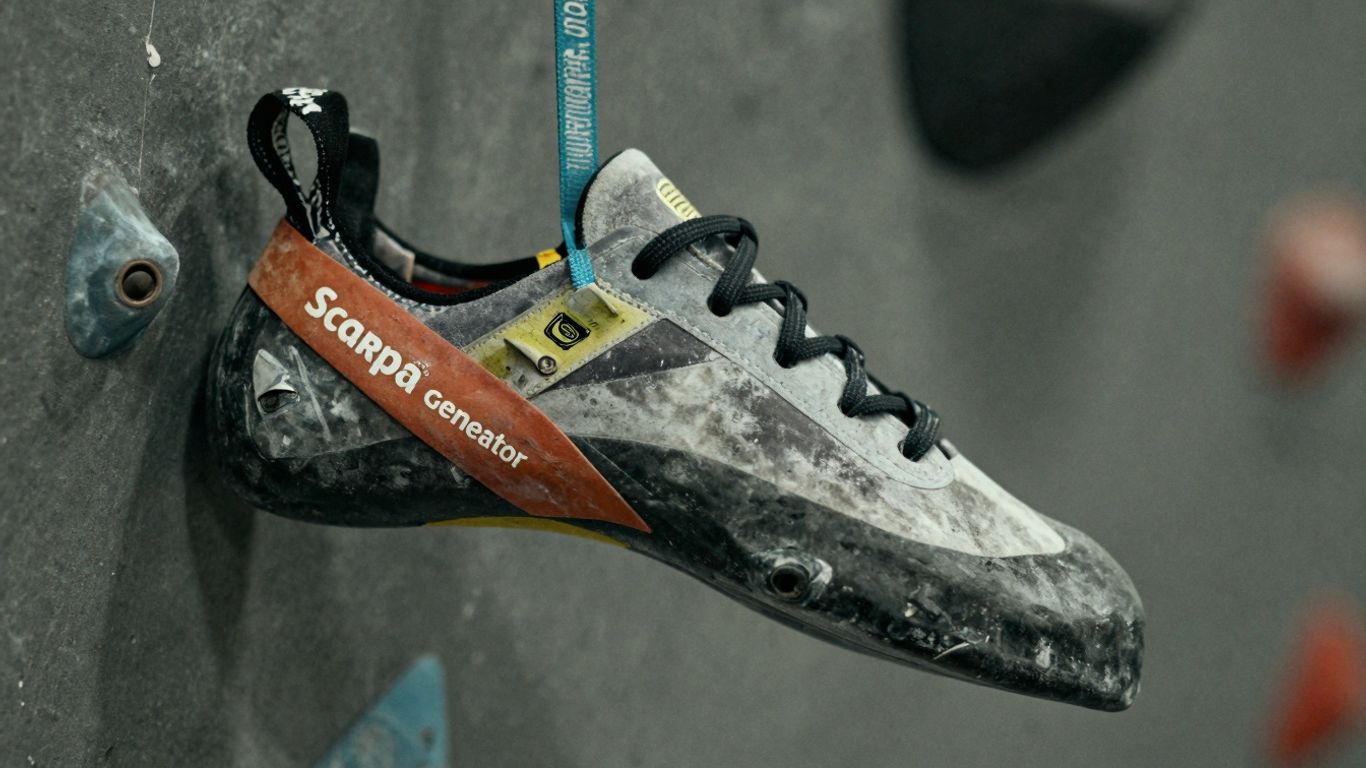
Scarpa’s Generator is a serious contender for anyone spending a lot of time on long, multi-pitch trad routes, especially on granite. Think of it as Scarpa’s answer to the La Sportiva TC Pro, but with a few tweaks. It’s a mid-top shoe, which means it offers a bit more ankle support and protection, which is a godsend when you’re jamming into cracks all day. The upper is made from an “eco suede” material, which is a nice touch for the environmentally conscious climber.
When you first put these on, they feel pretty stiff, thanks to a full-length midsole and that ankle cuff. But don’t let that scare you off; they do break in over time, and that stiffness is what gives them their support. This shoe is built to handle a lot of climbing without your feet screaming at you, which is exactly what you want on those epic days out. The padding around the ankle is surprisingly comfortable, even when you’re dealing with wider cracks.
Here’s a quick rundown of what makes the Generator stand out:
- Designed for long, technical granite routes.
- Mid-top design offers ankle protection and support.
- Stiff construction provides excellent support for edging and jamming.
- Well-padded ankle cuff for comfort in wide cracks.
Scarpa put a ton of effort into developing this shoe, with nearly 100 prototypes. You can really feel that attention to detail when you’re climbing. It feels like they really thought about how to make a shoe that can handle everything from tiny edges to wide-open off-widths, aiming to give the TC Pro a real run for its money.
Tenaya Indalo
The Tenaya Indalo is a shoe that really shines when you’re tackling those long, intricate routes. It’s built for climbers who need a shoe that can handle a bit of everything, from tiny pockets to more technical face climbing. Its super pointy toe is a real standout feature, letting you get your foot into small pockets with a surprising amount of confidence.
I found these shoes to be surprisingly comfortable, even after a few hours on the wall. They have this padded mesh liner inside that hugs your foot, and the heel cup feels really solid, which is great for those tricky heel hooks. They aren’t super soft, but they offer enough support that your feet don’t feel completely trashed after a long session.
When I first tried them on, they felt a little snug, especially in the toe box. But after a few climbs, they really started to mold to my foot shape. It’s kind of like they were made just for me. The closure system is pretty straightforward, making it easy to adjust the fit on the fly.
If you’re heading to a climbing spot known for its pockets, like Ceuse or Smith Rock, you’ll probably love the Indalo. It just seems to excel in those kinds of situations.
Here’s a quick rundown of what makes them tick:
- Precision Toe: The aggressively shaped, pointy toe is perfect for stabbing into small holds and pockets.
- Comfortable Fit: Despite the aggressive shape, the padded liner and well-designed heel cup make them comfortable for extended wear.
- Versatile Performance: Good for a variety of climbing styles, though they really excel on pocketed routes.
- Secure Hooking: Both heel and toe hooking capabilities are top-notch.
While they might feel a bit narrow for wider feet right out of the box, give them some time. They’re a solid choice for anyone looking for a precise and comfortable shoe for longer, more demanding climbs.
Scarpa Vapor S
The Scarpa Vapor S is a shoe that really hits a sweet spot for a lot of climbers, especially if you spend a good chunk of your time on trad routes. It manages to blend comfort with actual climbing performance, which isn’t always an easy feat. It’s particularly good for crack climbing, offering a feel that’s both supportive and sensitive enough to let you know what the rock is doing under your feet.
One of the standout features is the Nano Strap system. It’s a clever bit of design with two laces that connect to a Velcro tab up high on the shoe. This gives you a bit of extra security when you’re doing heel hooks, but it stays out of the way when you’re jamming your feet into cracks.
Speaking of jamming, the Vapor S is pretty darn good at it. The toe box has a bit more width, which makes hand-sized cracks feel way more comfortable than you might expect. And for those smaller, fiddly cracks, the lower-profile toe can wiggle its way in.
Compared to some other shoes, the Vapor S has a bit more stiffness thanks to a full-length midsole. It’s not the stiffest shoe out there, mind you, but it’s definitely not floppy either. This means it offers decent support for longer days without feeling like you’re wearing wooden planks. The break-in period was pretty minimal for me; they felt good pretty much right out of the box.
If you’re someone who’s tired of foot pain on longer climbs and wants a shoe that can handle a good amount of climbing without screaming at you, the Vapor S is definitely worth a look. It’s a solid all-rounder, especially if you lean towards trad and crack climbing.
- Comfort: High, suitable for all-day wear.
- Performance: Strong in crack climbing and general trad.
- Stiffness: Moderate, offering a good balance of support and sensitivity.
- Fit: Generally comfortable, with a slightly wider toe box.
Scarpa Vapor Lace
The Scarpa Vapor Lace is a shoe that really shines when you’re heading out for some trad climbing, especially if you’re into those thinner cracks. It’s kind of a refresh of an older Scarpa model, and honestly, they’ve become a go-to for a lot of us when the routes get a bit more technical.
Right out of the box, these feel pretty comfortable, and that comfort just seems to get better as you break them in. You can size them pretty aggressively if you want that super snug fit, but we found that having a little extra room in the toe can actually be a good thing, particularly when you’re trying to jam your foot into a narrow crack.
The toe profile is designed to pinch down nicely, which is a huge help on those tight spots. They handle offset cracks and laybacks really well, too. We even used them on a sport climbing project with a tricky crux that involved a flared toe jam, and they were the ticket to sending it.
Even though they’re great for cracks, they don’t shy away from steeper stuff. Bouldering felt pretty natural in them, especially on problems that needed a bit of stemming or scumming. The generous rubber on the toe adds a good amount of friction, which is nice when you’re doing delicate moves.
One thing to note is that while the classic lace-up system works fine, we kind of wish the laces went a bit further down towards the toe. That would allow for an even more precise fit, especially for those really specific foot placements. But other than that, they’re a solid choice for trad climbing, particularly when the cracks get thin.
If you’re looking for something similar but prefer a Velcro closure, you might want to check out the Scarpa Vapor S. For a shoe that balances comfort and precision on longer routes, consider the Scarpa Vapor V.
Key Features:
- Comfortable out of the box, with good break-in potential.
- Excellent performance in thin cracks and for jamming.
- Versatile enough for steep terrain and bouldering.
- Generous toe rubber for added friction.
While the Vapor Lace is a standout for crack climbing, its slightly softer build compared to some stiffer shoes means it might not be the first choice for pure, long edging sessions on vertical walls. However, for its intended purpose, it’s a really well-made shoe that inspires confidence.
La Sportiva HyperEZ
Alright, let’s talk about the La Sportiva HyperEZ. If you’re just getting into climbing or spending a lot of time in the gym, these might be worth a look. La Sportiva designed these with comfort as the main goal, which is pretty sweet when you’re trying to focus on your footwork and not your aching toes. They’ve got this roomy fit that helps avoid those annoying pressure points, and the dual-crossed straps are a nod to their popular Katana shoe, giving you a secure and adjustable feel.
What’s cool is that they’ve put in some decent cushioning and a supportive heel cup. Plus, there’s an EVA heel wedge in there, which really adds to the overall comfort, especially during longer sessions. The SenseGrip™ midsole is supposed to help you get a good feel for the wall, whether you’re trying to smear your way up or hook a hold. They even have a rental version available for gyms, which tells you they’re built to handle a lot of use.
The HyperEZ aims to make that initial learning curve a bit smoother. It’s about getting you comfortable on the wall so you can actually learn and build confidence without your feet screaming at you. They’re not trying to be the most aggressive shoe out there, but rather a solid, comfortable partner for your indoor climbing journey.
Here’s a quick rundown of what makes them stand out:
- Comfort-focused fit: Designed to be comfortable right out of the box, no painful break-in period.
- Adjustable closure: Dual-crossed straps offer a secure and customizable fit.
- Supportive construction: Features cushioning, a stable heel, and an EVA wedge for all-day wear.
- Beginner-friendly: Aims to help new climbers progress with confidence on gym routes.
Honestly, for anyone just starting out or looking for a super comfortable shoe for training sessions, the HyperEZ seems like a solid choice. They’re priced pretty reasonably too, making them accessible for a lot of people getting into the sport.
La Sportiva TX Setter
The La Sportiva TX Setter is a shoe that really aims to bridge the gap between your everyday gym climbing and the more demanding tasks, like route setting. It’s built with comfort and durability in mind, which makes sense if you’re spending a lot of time on your feet, whether that’s climbing or working.
They’ve used a soft-touch microfiber for the upper, which should feel pretty good even after a long session. The midsole is a 1.4mm Dynamic Flexan, and the outsole is a 3.5mm Vibram XS Grip 2. This combo is supposed to give you a good balance of sensitivity and grip.
One of the standout features is the closure system: dual Velcro straps. This usually means you can get a pretty dialed-in fit, which is helpful for keeping your foot secure. They’re designed to be a bit forgiving in the fit, which is nice because not everyone has the same foot shape. Plus, they’re built to last and can be resoled, which is always a plus for your wallet and the environment.
However, they aren’t perfect for every situation. The full-length sole can feel a bit clunky when you’re trying to do really steep, aggressive moves, and the heel and toe-scum patches are pretty minimal. This means they might feel a little less secure for those super dynamic, gymnastic boulder problems.
Here’s a quick rundown of what you get:
- Upper Material: Soft touch microfiber (synthetic leather)
- Midsole: 1.4mm Dynamic Flexan
- Outsole: 3.5mm Vibram XS Grip 2
- Closure: Dual Velcro straps
While they offer a comfortable and supportive feel for general gym climbing and training, the TX Setter might not be the first choice for highly technical, steep bouldering where a more aggressive downturn and specialized features are needed. They are, however, a solid option for those looking for a durable, comfortable shoe that can handle a lot of wear and tear.
Butora Rubicon
The Butora Rubicon is a bit of a surprise package in the climbing shoe world. Honestly, I wasn’t expecting much when I first heard about it, thinking it might just be another generic shoe for beginners. But boy, was I wrong. This shoe really impressed me with how well it balances comfort and performance, making it a solid choice for those moving up from their first pair.
What stands out is the support it offers. It’s got this half-length midsole that gives your forefoot a good platform to stand on, which is super helpful as your feet get stronger. Plus, the toe box is shaped nicely – not too rounded, not too aggressive – and it’s covered in rubber. This means you get good grip for toe hooks and it feels pretty secure when you’re standing on small holds. It’s a shoe that actually teaches you good footwork.
I found them to be surprisingly capable even on steeper angles, which isn’t always the case with shoes in this category. They held up well on vert terrain during warm-ups, and when I pushed them a bit on slightly overhanging stuff, they performed better than I anticipated.
It feels like a shoe that you can grow into, and because it’s built tough, it should last a good while and take a few resoles. Just a heads-up, the toe box is on the stiffer side and doesn’t stretch much, so consider going up a half size if you plan on doing a lot of smearing or multi-pitch climbs.
Here’s a quick rundown of what makes the Rubicon tick:
- Supportive Midsole: A half-length ABS midsole provides excellent forefoot support.
- Durable Rubber: Features a 4mm Butora NEO Fuse rubber sole for good grip and longevity.
- Comfortable Upper: A supple, breathable microsuede upper ensures comfort during longer sessions.
- Versatile Performance: Capable on vertical terrain and even slightly overhanging routes.
This shoe is a great example of how a well-designed intermediate shoe can make a real difference in a climber’s progression. It provides the necessary support without sacrificing the ability to feel the rock or holds underfoot.
Unparallel Qubit
The Unparallel Qubit is a shoe that really surprised me. I wasn’t sure what to expect, but it turned out to be a solid performer, especially for sport climbing. It feels really stable when you’re standing on small edges, and that’s a big deal when you’re trying to hold on. The toe box is also pretty flexible, which makes it comfortable even on longer climbs. Plus, the rubber on the sole is really grippy, and the shoe seems to be built tough, so it should last a while.
One thing that stood out was how well it handles micro-edging. It’s like you can stand on the tiniest little bumps and feel secure. And if you’re into toe hooking, this shoe has a massive toe patch that’s great for that. I found it really helpful for those tricky, toe-focused boulder problems, but it also works well for longer sport routes.
Here’s a quick rundown of what I liked:
- Stable Edging: Seriously good for standing on small holds.
- Toe Scumming: The toe patch is huge and sticky, perfect for hooking.
- Comfortable Fit: The synthetic upper breaks in quickly and feels good.
- Durable: Seems like it’s built to last.
However, it’s not perfect. The sole is a bit thick, which can make it feel less sensitive when you’re trying to smear your foot on the wall. And getting the heel on can be a bit of a struggle, especially if you’re doing a lot of bouldering where you’re constantly taking your shoes on and off. It’s definitely a shoe that prioritizes support and precision over pure sensitivity.
While it looks like a bouldering shoe, the Qubit really shines on technical sport routes. It’s supportive and precise for long pitches, and surprisingly good for crack climbing too, thanks to its toe and side rand coverage. The massive toe patch with its siping makes toe scumming incredibly effective, better than most other shoes I’ve tried.
Overall, if you’re looking for a shoe that’s great for edging, toe hooking, and can handle long sport climbs without making your feet scream, the Unparallel Qubit is definitely worth checking out. It’s a hard-wearing shoe that offers a lot of stability and precision.
Red Chili Voltage X
The Red Chili Voltage X is a bit of a surprise package in the gym climbing shoe world. It takes the solid foundation of the original Voltage and dials it up for more aggressive, steep climbing, especially in bouldering gyms. These shoes really shine when you’re looking for a comfortable yet capable option for long sessions on plastic.
What I found interesting is how they manage to feel both soft and powerful. The microfiber upper is pretty forgiving, and the overall fit is relaxed, which is great for keeping your feet happy when you’re trying to push through a tough session. But don’t let the comfort fool you; the redesigned midsole and the aggressive downturn give it a good amount of power for overhangs. It’s a shoe that feels good for smearing on those big, rounded gym volumes, and it hooks surprisingly well on both toes and heels.
However, that relaxed toe box, while comfy, isn’t the sharpest tool in the shed for tiny edges. You’ll find yourself smedging more than edging, which is fine for a lot of modern gym climbing, but if you’re all about micro-holds, you might want something a bit more precise.
Here’s a quick rundown of what I liked and what could be better:
- Comfortable for long sessions: The roomy fit and soft feel mean you can wear them for a while without your feet screaming.
- Great for smearing: The rubber grips well on volumes, making those dynamic moves feel more secure.
- Good on steep terrain: The downturn and midsole provide a nice power transfer for overhangs.
- Agile hooking: Both toe and heel hooking feel pretty solid, which is a plus for modern gym routes.
On the flip side:
- Lacks precision: The broad toe box isn’t ideal for super small edges.
- Velcro can be finicky: I didn’t have issues, but some users report the Velcro straps coming undone.
Overall, the Voltage X is a solid choice for gym climbers who prioritize comfort and performance on steep, volume-heavy routes. It’s a shoe that doesn’t demand a painful break-in period and offers a good balance of features for a variety of indoor climbing styles.
OCÚN Ozone
The OCÚN Ozone has been around for a while, and for good reason. It’s a shoe that really shines when you need to get precise on small holds, whether that’s tiny edges in the gym or little nubs on a rock face. It feels stiff underfoot, which is great for pushing off those small features, and the pointy toe helps you get right into those awkward inside-corner footholds.
I found the Ozone to be a solid all-arounder, especially for sport climbing and longer gym sessions. It’s not the softest shoe, so if you’re all about smearing on huge volumes, it might feel a bit rigid. But for anything requiring precise footwork, it really delivers. The heel is surprisingly soft and sensitive, which is nice for those tricky heel hooks, even though the rest of the shoe is quite firm.
Here’s a quick look at what makes it tick:
- Pointy Toe: Excellent for edging and jamming into small pockets.
- Mild Downturn: Offers a good balance for those getting into steeper climbing.
- Stiff Forefoot: Provides power and support on small footholds.
- Sensitive Heel: Good for hooking and offers a bit of flexibility.
While the Ozone has a reputation for being a bit stiff, especially in the forefoot, this actually translates to great power transfer onto small holds. It’s a shoe that rewards precise foot placement and offers a stable platform for pushing off.
It’s a shoe that has seen some serious sends, even at the 5.15 level, which tells you it’s got performance capabilities. For the price, it’s a really strong contender if you’re looking for a shoe that excels on technical terrain and won’t break the bank.
La Sportiva Mandala
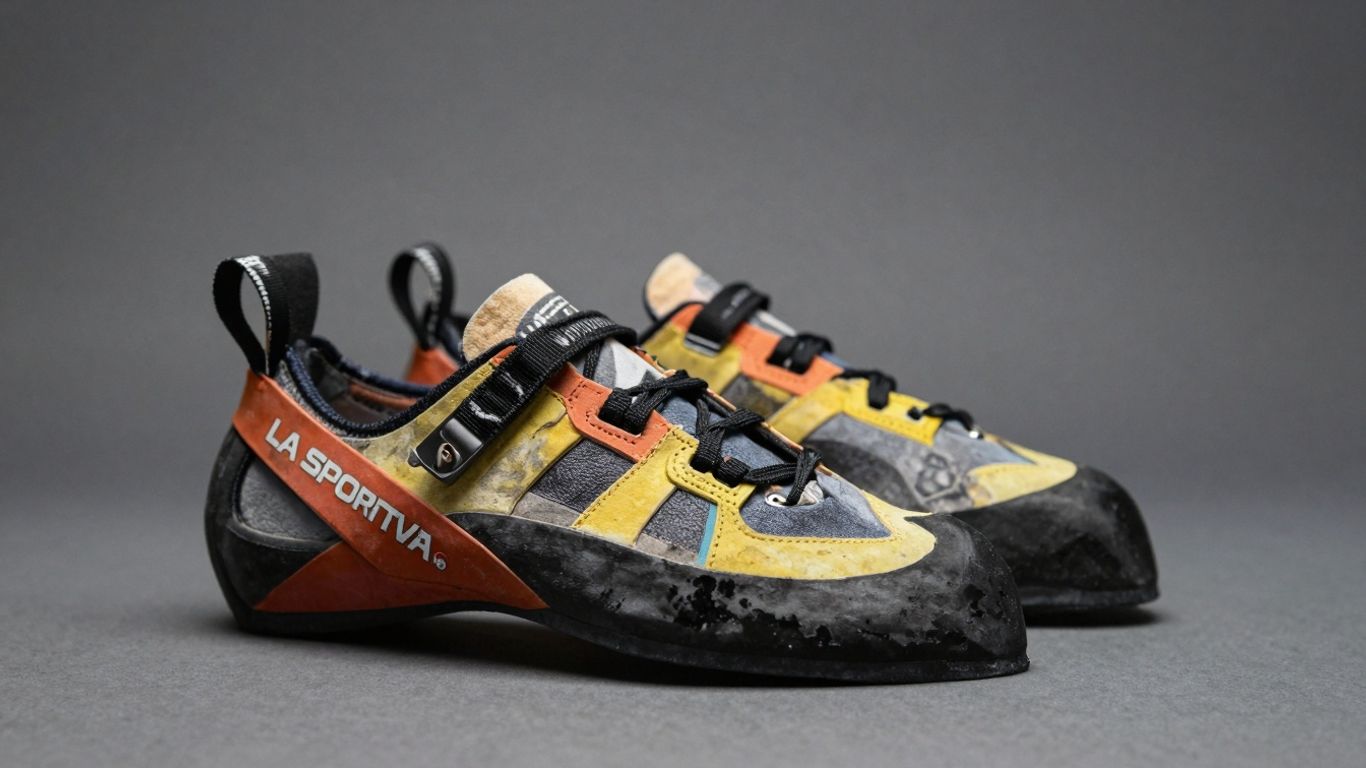
The La Sportiva Mandala is an interesting shoe, really building on that whole “No-Edge” idea La Sportiva has been playing with. Think of it as a middle ground between super-sensitive shoes that feel like a second skin and those stiffer ones that give you a solid platform. What’s cool is how they wrap the Vibram XS Grip 2 rubber all the way around the toe, ditching a sharp edge. This means you get a ton of rubber contact, especially on those big, rounded gym volumes.
It really shines when you’re moving dynamically and need to smear your foot on slick surfaces. It’s also pretty decent at toe-hooking, which is a nice bonus. However, this “No-Edge” thing isn’t for everyone. If you’re mostly climbing on tiny, sharp edges outdoors, you might find it a bit too soft and unpredictable. It’s definitely more of a specialized tool for indoor climbing or softer rock types.
Here’s a quick rundown of what you get:
- Last: PD 85 (This means it’s pretty aggressive and asymmetric, hugging your foot)
- Rubber: Vibram XS Grip 2 (3mm) (Known for being sticky and performing well)
- Upper: Microfiber and recycled suede (A mix for comfort and feel)
- Closure: Single strap Velcro (Easy on and off)
While it’s designed with gym climbing in mind, some folks have found it surprisingly capable on steeper outdoor routes, especially when dealing with concave holds where that rounded toe can really conform and grip. It’s a shoe that rewards precise footwork and a willingness to trust the rubber.
It’s not the most durable shoe out there, and the heel cup can sometimes feel a bit loose, but for what it does well – sticking to volumes and allowing for fluid movement – it’s a pretty unique option.
Scarpa Veloce L
The Scarpa Veloce L is a really solid choice if you spend a lot of time indoors and want a shoe that can handle long sessions without feeling like your feet are being tortured. It’s basically an updated version of their original Veloce, and honestly, they fixed a few things that were a bit annoying on the first model.
What’s cool is the new lacing system. The old Velcro could sometimes come undone, especially during intense climbs. This new offset lacing goes further down the shoe, giving you way more control over the fit. This is super helpful when you need to really crank them down for some precise edging, or when your feet start to swell up a bit during a long gym day. It makes a big difference in keeping the shoe snug and supportive.
These shoes are surprisingly light and feel really sensitive. You can feel the holds pretty well through the sole, which is great for those tricky indoor problems. They’re also pretty soft, so they’re awesome for smearing on volumes or when you’re doing more dynamic, parkour-style moves. I found them to be really comfortable, almost like wearing a performance sock, which is exactly what you want when you’re planning to be at the gym for a few hours.
- Comfortable for extended gym sessions
- Sensitive and grippy sole for good feel
- Improved lacing system for better fit control
- Lightweight design
One thing to keep in mind is that because they are so soft and sensitive, they might not be the best for super steep edging on tiny holds if you have weaker feet. You’ll need to really engage your foot muscles. Also, the sole is pretty thin, so you’ll feel those sharp holds a bit more. But for most gym climbing, especially on volumes and overhanging routes, they really shine. They even come in a women’s specific version, which is always a nice touch.
The Veloce L strikes a good balance between comfort and performance for indoor climbing. The updated lacing provides a more secure and customizable fit, making them a versatile option for various climbing styles found in the gym.
La Sportiva Mantra
The La Sportiva Mantra is a shoe that really leans into the idea of being a “rubber sock” for your feet. It’s incredibly soft and flexible, which makes it fantastic for that specific type of gym climbing where you’re mostly dealing with big, plastic holds and volumes. You get a ton of feedback from the wall with these, almost to the point where you can feel every tiny texture. This sensitivity is a huge plus when you’re trying to smear your way up a steep wall or really mold your foot into some irregular holds.
It’s a bouldering shoe through and through, especially for indoor environments. The “No Edge” technology, where the rubber wraps up and over the toe box without a distinct edge, is a big part of what gives it that unique feel. It’s designed to maximize contact with the hold, which is great for those slopers and volumes you find all over modern gym routes. However, this design does mean that if you’re looking to stand on tiny, sharp edges, you might find yourself wanting a bit more support. They’re just not built for that kind of precision.
Here’s a quick rundown of what makes them tick:
- Super Sensitive: You’ll feel everything, which is great for smearing and molding to holds.
- Soft and Flexible: Perfect for steep terrain and big, rounded features.
- “No Edge” Design: Maximizes rubber contact for better grip on volumes.
- Lightweight: You’ll barely notice them on your feet.
One thing to watch out for is that they can get a bit baggy over time, especially if you don’t size them snugly. Going down a half-size from your street shoe can often help mitigate this, and the stretchy tongue makes them pretty accommodating once you find that sweet spot.
If you’re primarily a gym boulderer looking for a shoe that offers incredible feedback and a unique, connected feel to the wall, the Mantra is definitely worth checking out. They’re a specialized tool, but for the right job, they’re brilliant. You can find them at many climbing gear shops.
Ocun Diamond S
The Ocun Diamond S is a shoe that really leans into its aggressive, asymmetrical shape. If you’ve got strong toes and like to really articulate your foot around holds, especially on steeper angles, this shoe might be your jam. It’s got a noticeable inward curve right out of the box, which helps you get a powerful position on the wall. I spent a couple of months testing these out, mostly on a 40° MoonBoard, and they definitely felt at home on those steep, challenging problems.
One of the standout features for me was how comfortable they were for longer sessions. The upper is made of a breathable microfiber, and there’s not a whole lot of midsole going on, which means your feet stay cooler and drier. I could wear these for a good chunk of time without feeling like my feet were cooking. The mid-shoe area is snug, and the straps do a solid job of keeping everything locked in place.
However, this shoe isn’t for everyone, and that’s okay. The aggressive asymmetry that makes it great for some can be a bit much for others, especially if you prefer a flatter shoe. On vertical terrain, especially when trying to stand on tiny edges, I sometimes wished for a bit more support. It felt a little too soft for that kind of precise, stiff edging. Also, if you have narrower feet, the heel cup might feel a bit loose, which could make heel hooking less secure.
Here’s a quick rundown of what I found:
- Pros:
- Powerful, asymmetrical toe shape for steep climbing.
- Comfortable and breathable for long gym sessions.
- Large, grippy patch on the toe for scumming.
- Sensitive heel cup that offers good feel.
- Cons:
- The extreme asymmetry might not suit all foot shapes.
- Can feel a bit soft and lacking support on very small edges on vertical walls.
- Some reports of the toe patch coming unstuck over time.
Ultimately, if you’re a boulderer or a comp climber who likes a softer, more aggressive shoe for steep climbing and doesn’t mind a bit of a learning curve with the fit, the Ocun Diamond S is definitely worth checking out. It excels when you can really dig that toe in and use its shape to your advantage.
Wrapping It Up
So, that’s the lowdown on gym climbing shoes for 2026. It’s pretty wild how many options there are now, right? Whether you’re just starting out and need something comfy to get you going, or you’re aiming for those competition routes with super specific needs, there’s a shoe out there for you. Don’t overthink it too much – the best shoe is really the one that feels good on your foot and helps you climb better. Go try some on, have fun on the wall, and happy climbing!
Frequently Asked Questions
What makes a climbing shoe good for the gym?
Gym climbing shoes are often made to be comfy and help you get better quickly. Some are super soft and have a shape that helps you stick to steep walls and overhangs, which are common in gyms. Others are more basic and good for learning the ropes.
How do I know if a climbing shoe fits right?
A good fit means your climbing shoes feel snug, like a glove, but not painfully tight. Your toes should be right at the end, maybe slightly curled, but not crammed. It’s best to try them on, as everyone’s feet are different.
How often should I replace my climbing shoes?
It really depends on how much you climb and the type of shoes. Thicker, tougher shoes might last longer. But for a pair you use a lot, you might need new ones every few months to a couple of years. The rubber on the bottom usually wears out first, but you can get that fixed.
Are climbing shoes supposed to be uncomfortable?
While some super-tight shoes are used by pros for maximum performance, they aren’t always comfortable. For most climbers, especially beginners, it’s better to find shoes that are snug but comfortable enough to wear for a while. You don’t have to hurt your feet to climb well!
What’s the difference between gym shoes and outdoor climbing shoes?
Gym shoes are often made for comfort and quick progression, with some designed for steep indoor walls. Outdoor shoes can be more specialized for different types of rock and climbing styles, like crack climbing or long multi-pitch routes, and might need to be tougher.
Can I use my gym shoes for climbing outside?
Yes, many beginner-friendly gym shoes work great for starting to climb outside, especially on easier routes. However, as you get more experienced, you might want different shoes for specific outdoor climbing styles that require more precision or durability.
Recommended Climbing Shoes and Accessories
These products can improve fit, mobility, and comfort during long climbing days.
Affiliate disclosure: As an Amazon Associate, TradClimbers may earn from qualifying purchases at no additional cost to you.
Keep exploring helpful trad climbing, gear, safety, and technique resources.