

Trying to find the best filtered water bottle for hiking much like finding a legitimate backpack like the Osprey Atmos 50 backpack can feel like a quest in itself. You want something that’s light, tough, and actually makes the water taste good, right? Whether you’re planning a weekend camping trip or a long trek, having clean water is super important. Forget lugging around heavy water jugs or relying on questionable sources.
These filtered bottles are game-changers, cutting down on plastic waste and giving you peace of mind. I’ve tried a bunch, and let me tell you, some are way better than others. Let’s dive into the top picks that won’t weigh you down.
Best Filtered Water Bottle For Hiking Post Key Takeaways
- The Katadyn BeFree AC 1.0 L is a top choice for its super light weight and fast flow rate, making it great for quick refills on the trail.
- For travelers needing to purify water from potentially unsafe sources, the Grayl GeoPress is a solid option, tackling bacteria, viruses, and chemicals.
- The HydraPak Flux 1.5 L offers a larger capacity and a durable, collapsible design that’s easy to pack away when empty.
- LifeStraw’s Go Series bottles provide a reliable filter for bacteria and parasites, with a BPA-free plastic option that’s good for everyday use and hiking.
- The Sawyer Squeeze system is a popular, lightweight choice, especially when paired with a compatible bottle, known for its versatility and ability to be backflushed.
1. Katadyn BeFree AC 1.0 L
When you’re out on the trail and need a quick drink, the Katadyn BeFree AC 1.0 L is a solid choice. It’s super lightweight, which is a big deal when you’re trying to shave ounces off your pack. I’ve used this one on a bunch of trips, especially in places like Washington where the water is usually pretty clear and flowing. It filters water really fast, like over a liter a minute, which is awesome when you’re thirsty.
This filter is best for clear, running water sources. If you try to use it on muddy ponds or water with lots of stuff floating in it, it can clog up pretty fast. It’s not ideal for those situations. But for what it’s good at, it really shines. The filter itself is pretty small and easy to stash away when you’re done. Plus, you can just buy a replacement filter if yours wears out, which is nice.
Here’s a quick rundown:
- Pros:
- Filters water quickly from clear sources.
- Very lightweight at just 2.7 ounces.
- Easy to use and maintain (just swish it in clean water).
- Compact and easy to pack.
- Cons:
- Clogs easily with dirty or silty water.
- The bottle itself can be a bit fragile and prone to punctures.
- Filter only fits specific bottle threads (42mm), so it’s not super versatile.
- Can freeze in cold weather, potentially damaging the filter.
One thing to watch out for is keeping the clean end of the filter from getting dirty. If you accidentally drop the whole thing in the water source, you could contaminate your clean water. It’s a small thing, but important to remember.
2. Grayl GeoPress Water Filter and Purifier Bottle
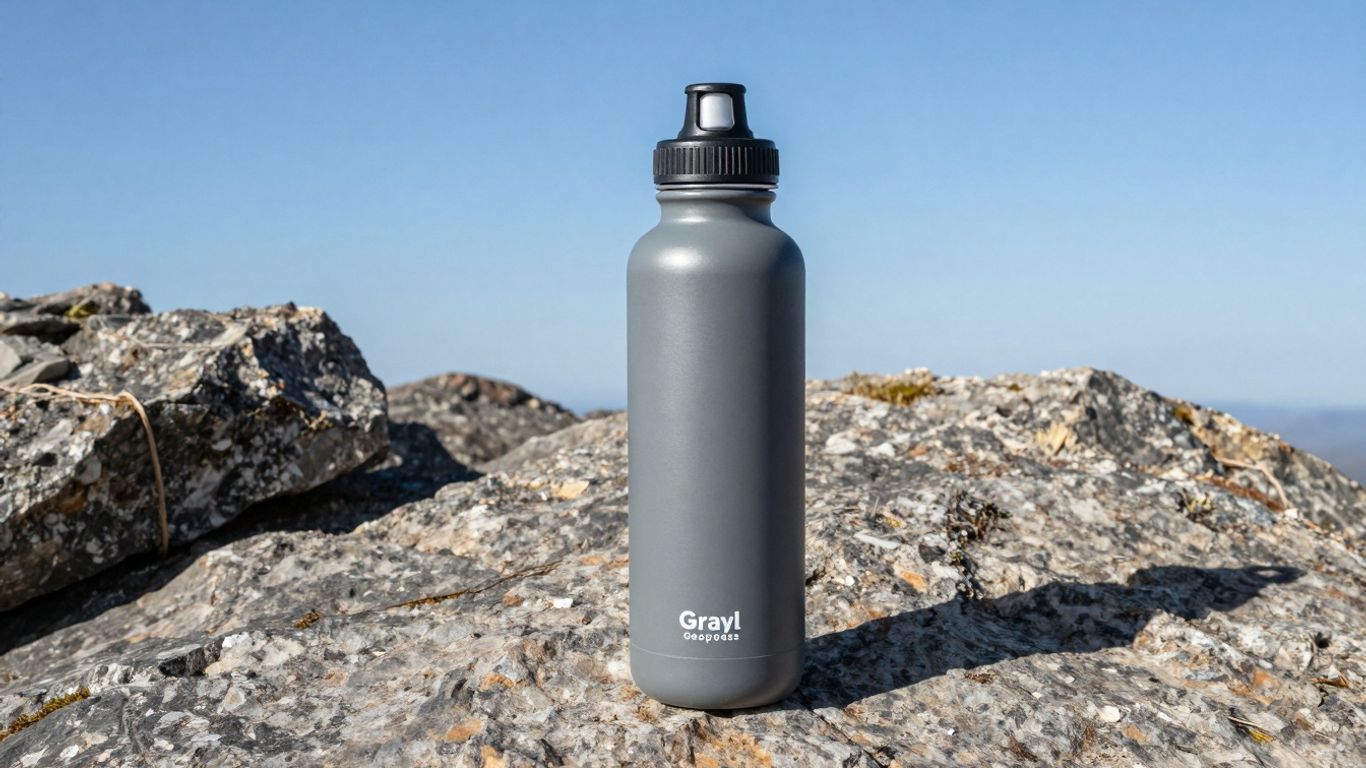
The Grayl GeoPress is a bit of a powerhouse when it comes to cleaning up questionable water sources. It’s not just a filter; it’s a purifier, meaning it takes care of viruses, bacteria, and protozoa, plus it tackles chemicals, heavy metals, and even microplastics. This makes it a top choice for international travel or anywhere the water quality is a serious concern.
Using it is pretty straightforward. You scoop water into the outer part, then press down on the inner mechanism. It takes about 8-10 seconds to push the water through the filter. What’s cool is that it lets you pour the clean water out, no sucking required, and you can even use it with electrolyte mixes without damaging the filter. The design is pretty robust, built to handle being used in the field.
Here’s a quick look at what it does:
- Removes: Viruses, bacteria, protozoa, chemicals, heavy metals, particulates, microplastics.
- Certifications: Meets NSF/ANSI 42 and 53 standards for pathogen and chemical removal, and EPA standards for microbiological purifiers.
- Filter Life: One cartridge can handle about 65 gallons (around 350 uses).
While the GeoPress is incredibly effective at purifying water, it’s on the heavier and bulkier side compared to some other options. This means it might not be the first pick if you’re trying to shave every ounce off your pack for a long backcountry trip. However, for peace of mind and truly clean water, especially when traveling, it’s hard to beat.
It’s made from durable plastic and silicone, holds 24 ounces, and weighs just under a pound. The filter cartridge itself is a separate purchase, so keep that in mind when budgeting.
3. HydraPak Flux 1.5 L
The HydraPak Flux 1.5 L is a bit of a hybrid when it comes to water bottles. It’s got this neat soft-sided design that lets you pack it down small, but it’s also sturdy enough to stand up on its own when you’re filling it. This makes it super convenient for refilling at streams or lakes.
I’ve taken this bottle on a few trips, and honestly, the durability is what stands out. It’s made from tough stuff – think abrasion-resistant TPU with welded seams. I’ve accidentally scraped it against rocks and even clipped it to my harness while climbing, and it just shrugged it off. It feels like it can really take a beating out there on the trail.
When it comes to maintenance, the Flux is pretty straightforward. If the filter gets clogged, you don’t need a special kit to clean it. Just pop the filter off and swish it around in some clean water. I only had to do this once after filtering water from a pretty muddy river, and it worked like a charm, getting the flow rate back up quickly.
Here’s a quick look at what makes it a solid choice:
- Capacity: At 1.5 liters, it holds more water than many other filter bottles, meaning fewer stops to refill.
- Durability: Built tough with strong materials and welded seams to handle rough use.
- Easy Maintenance: Simple to clean in the field without needing extra tools.
- Packability: Compresses down when empty, saving space in your pack.
While it’s not the lightest option out there, its combination of capacity, durability, and ease of use makes it a reliable companion for longer hikes where water sources might be farther apart. It’s a good option if you’re looking for a filter bottle that can handle some abuse and keep you hydrated without fuss.
If you’re looking for a filter that can handle a good amount of water and is built to last, the HydraPak Flux is definitely worth considering for your next adventure. You can find more details about its features and performance on HydraPak’s website.
4. LifeStraw Go Series BPA-Free Water Filter Bottle
The LifeStraw Go Series bottle is a solid choice if you’re looking for a reusable bottle that can handle questionable water sources. It’s built tough, using BPA-free plastic, so it can take a few bumps on the trail. This bottle uses a two-stage filtration system that tackles both bacteria and parasites, which is pretty important when you’re out in the wild. It also has an activated carbon filter to help with taste, getting rid of that funky chlorine smell you sometimes get from treated water.
It’s not the lightest option out there, especially the larger sizes, but the durability makes up for it if you need something that can really last. The filter itself is designed to remove things like Giardia and Cryptosporidium, which are definitely not things you want to drink.
Here’s a quick look at what it offers:
- Filtration: Hollow fiber membrane and activated carbon filters.
- Removes: Bacteria, parasites, chlorine, odor, and organic chemicals.
- Capacity: Available in various sizes, commonly 22 fl. oz. and 33.8 fl. oz.
- Material: BPA-free hard plastic.
While it’s great for outdoor adventures and travel to places with untreated water, it might be a bit much if you’re just planning to fill it up from your kitchen tap. The filtration process can take a bit more effort to suck water through compared to simpler bottles, but that’s the trade-off for getting cleaner water.
If you’re often traveling or hiking in areas where water quality is a concern, the LifeStraw Go Series is a reliable way to get safe drinking water on the go. It’s a good piece of gear to have for those situations where you can’t be sure about the water source, giving you peace of mind when you need it most. You can find more details about its capabilities for removing bacteria.
5. Sawyer Squeeze Water Filtration System
Alright, let’s talk about the Sawyer Squeeze. This thing has become a real favorite among backpackers, and for good reason. It’s like the sweet spot for smaller groups – not too heavy, not too pricey, but it gets the job done. You get a lot of bang for your buck here because the filter itself is supposed to last for a crazy amount of water, like over 100,000 gallons. Sawyer even backs it with a lifetime guarantee, which is pretty sweet.
What I really like is how fast it filters. In tests, it can push out a liter of water in about 40 seconds, which is quicker than some other squeeze filters out there. It’s also super versatile. You can screw it onto those disposable Smartwater bottles, use the bags that come with it, or even hook it up inline with a hydration pack. It’s small and light, making it easy to stuff into any corner of your pack.
Here’s a quick look at what you get:
- Filter: Hollow fiber membrane, 0.1-micron pore size.
- Weight: Around 3 ounces for the filter itself.
- Lifespan: Claimed 100,000 gallons.
- Included: Filter, collapsible pouch, cleaning syringe, and instructions.
Now, it’s not perfect. You do have to remember to keep track of the different parts, and sometimes you’ll need to backflush it with the syringe to keep that flow rate up. It’s a bit of a trade-off for that long filter life, I guess.
The Sawyer Squeeze is a solid choice for solo hikers or pairs heading out for a few days. Its combination of speed, longevity, and adaptability makes it a go-to for many on the trail. Just be prepared for a little bit of maintenance to keep it running smoothly.
6. Sawyer Squeeze Premium 1-Liter Bottle
The Sawyer Squeeze Premium 1-Liter Bottle is a solid choice for backpackers, especially those in smaller groups. It’s basically the same reliable filter you know, but it comes with a larger, more robust 1-liter pouch. This bigger pouch makes scooping water from sources a bit easier, though it can be a tad heavier than smaller options. It’s a great all-around performer that balances weight, capacity, and filtration power.
This system uses Sawyer’s well-regarded hollow fiber filter, which is known for its effectiveness. It removes 99.9999% of bacteria and 99.999% of protozoa, so you can trust it to make questionable water sources safe to drink. The filter itself has an impressive lifespan, rated for up to 100,000 gallons. That’s a lot of water!
One of the best things about the Sawyer Squeeze is its versatility. You can screw it directly onto most standard plastic water bottles, like the popular Smartwater bottles, which is super convenient. It also works with the included pouch, and you can even set it up in-line with a hydration reservoir. Plus, with an optional straw, you can drink directly from a water source.
Maintenance is key to keeping this filter working well. Sawyer includes a cleaning syringe, and you’ll want to use it regularly to backflush the filter. This pushes debris out and helps maintain a good flow rate. Without regular cleaning, the flow can slow down considerably.
Here’s a quick look at what you get:
- Sawyer Squeeze filter
- 1-liter durable pouch
- Plunger/cleaning syringe
- Threaded adapter cap
While the larger pouch is great for scooping, it does add a bit more weight and bulk compared to the smaller Sawyer Squeeze models. If you’re really focused on shaving every ounce, you might consider the Micro Squeeze, but for most people, this 1-liter version offers a good compromise.
Overall, the Sawyer Squeeze Premium is a dependable and cost-effective way to get clean drinking water on the trail. It’s a favorite among many long-distance hikers for good reason.
7. LifeStraw Water Filter Straw
The LifeStraw Water Filter Straw is a pretty straightforward tool for getting clean water when you’re out and about. It’s designed so you can drink straight from a water source, which is super handy if you’re just taking a quick break or need a sip while on the move. It’s a personal filter, meaning it’s meant for one person at a time.
This filter uses a hollow-core membrane with pores that are 0.2 microns. That’s small enough to block out bacteria and protozoa, which are the usual suspects when it comes to getting sick from untreated water. It’s a solid option for backcountry camping or even just for emergency preparedness.
Here’s a quick look at what it does:
- Filters out bacteria and protozoa: Keeps out common waterborne illnesses.
- Lightweight and compact: Easy to stash in a pocket or small bag.
- Simple to use: Just put the straw in the water and drink.
It’s a pretty good value for what you get, and it’s definitely capable of saving lives by providing reliable access to safe drinking water when you need it most. While it’s not a bottle, it serves a similar purpose for immediate hydration needs. You can even remove the microfilter from the straw part and use it with other bottles if you want more flexibility. It’s a great way to cut down on plastic waste too, since you won’t be buying bottled water.
Using a filter like this means you can tap into water sources that might otherwise be off-limits. It’s all about making sure you have a safe drink without carrying a ton of extra weight. Just remember to keep it clean and maintained so it works properly.
When it comes to maintenance, you’ll want to follow the manufacturer’s instructions to keep the filter working well for its lifespan, which is typically rated for about 2,000 liters. It’s a good idea to check out the LifeStraw website for the most up-to-date care tips and information.
8. Katadyn Gravity BeFree Water Filtration System
When you’re out on a longer trip or hiking with a group, dealing with water can become a bit of a chore. That’s where gravity filters shine, and the Katadyn Gravity BeFree 6L is a solid contender in this category. It’s designed to make filtering larger volumes of water much easier, letting you set it up and walk away while it does its thing.
This system uses the same popular BeFree filter as its smaller, bottle-based cousins, which is great for removing bacteria and protozoa. The main difference is the reservoir bag. You fill up the dirty water bag, hang it from a tree or a sturdy branch, and let gravity do the work, pushing water through the filter into your clean water container. It’s pretty straightforward, honestly.
Here’s a quick rundown of how it generally works:
- Fill the dirty water reservoir from your water source.
- Hang the reservoir securely from a tree or elevated point.
- Connect the filter and let gravity pull the water through.
- Collect the filtered water in your clean bottle or hydration reservoir.
The biggest advantage here is the hands-free operation, which is a real game-changer when you’re tired. It’s also quite lightweight for a gravity system, making it easier to pack. However, like other gravity filters, it does require some maintenance. You’ll need to rinse the filter periodically to keep it working efficiently, especially if you’re pulling water from sources with a lot of sediment.
While the BeFree filter itself is known for its fast flow rate in clear water, using it with very silty or murky water can lead to quicker clogs. It’s best to find the clearest water source possible to maximize its performance and lifespan in the field. If you’re consistently dealing with muddy water, you might want to consider pre-filtering it or looking into other filtration methods.
This system is a good choice if you need to filter water for multiple people or just want a more convenient way to refill your bottles without constant pumping or squeezing. It’s a step up in convenience from the individual Katadyn BeFree filter units, especially for camp use.
9. MSR MiniWorks EX Water Filter
The MSR MiniWorks EX is a solid choice if you’re looking for a reliable hand pump filter that you can fix yourself out in the field. It’s not the fastest, and it definitely needs some regular attention to keep it working smoothly, but it’s built tough and can handle a lot.
This filter uses a ceramic-carbon core, which is pretty effective at cleaning water. The main thing to remember is that it requires more hands-on maintenance compared to some other filters. You’ll likely find yourself needing to scrub the filter element pretty regularly, especially if you’re drawing water from murky sources. However, the upside is that if something does go wrong or it gets clogged, you can usually sort it out right there on the trail without needing special tools or replacement parts.
Here’s a quick look at how it generally performs:
- Water Quality: Good, handles bacteria and protozoa well.
- Durability: Very robust, designed to last.
- Maintenance: Requires frequent cleaning (scrubbing).
- Field Serviceability: High – easy to repair on the go.
- Flow Rate: Moderate, not the quickest on the market.
While it might not be the most convenient filter for quick sips on a fast-paced hike, its repairability and rugged build make it a dependable companion for longer trips where self-sufficiency is key. Just be prepared to put in a little elbow grease to keep it in top shape.
10. MSR Guardian Purifier
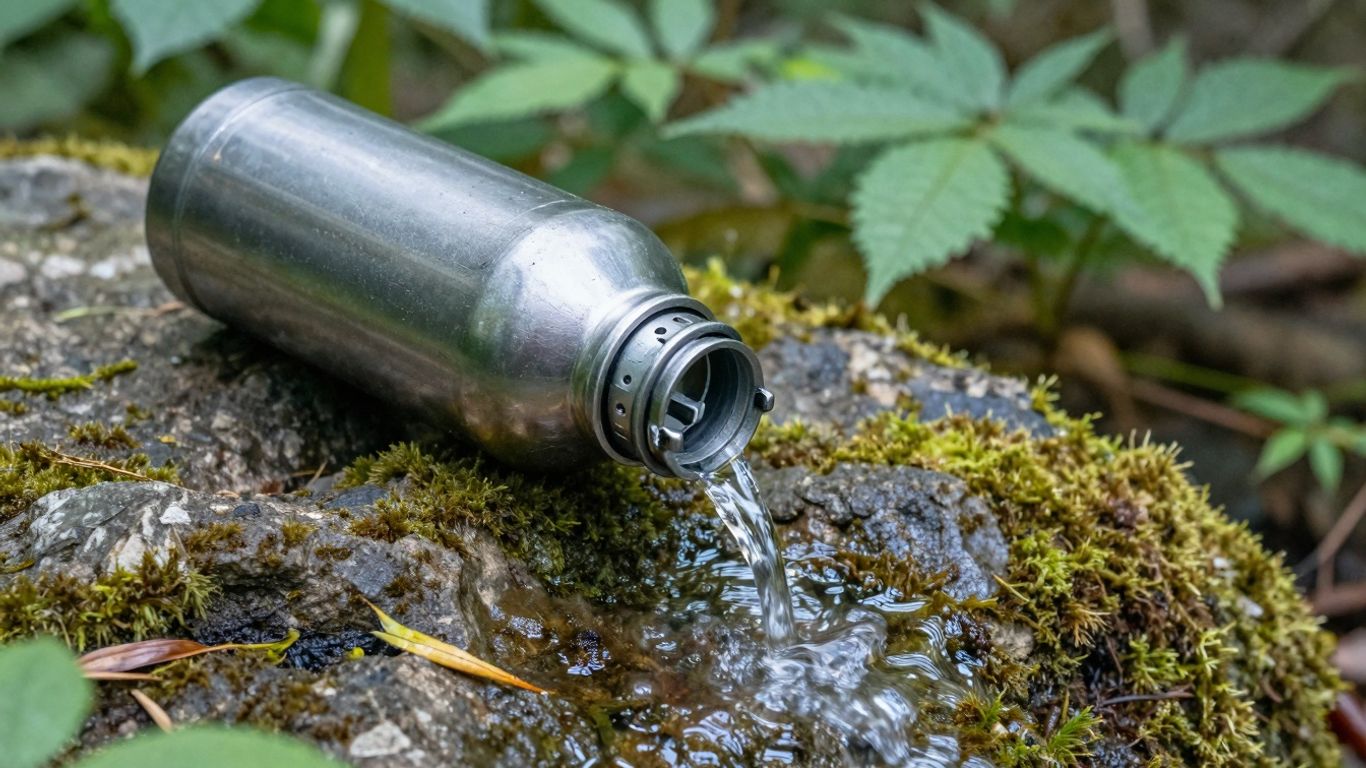
Alright, let’s talk about the MSR Guardian Purifier. This thing is a bit of a beast, and honestly, it’s probably overkill for most weekend warriors just hitting trails in North America. But if you’re heading somewhere with questionable water, like international travel or areas with serious pollution concerns, this purifier is a serious contender. It’s built like a tank and designed to handle pretty much anything you throw at it.
The Guardian’s main claim to fame is its ability to remove viruses, which most standard filters can’t do. It’s got a super-fine 0.02-micron pore size, way smaller than what you’ll find on many other filters. This means you’re getting seriously clean water, free from bacteria, protozoa, and those pesky viruses. Plus, it’s incredibly durable. I’ve heard stories of people drop-testing these things, and they just keep on ticking. It’s also pretty neat that it can handle freezing temperatures, which is a big plus if you’re hiking in colder climates.
Here’s a quick rundown of what makes it stand out:
- Virus Removal: This is the big one. It purifies water, not just filters it.
- Durability: Built to last, even in tough conditions.
- Auto-Cleaning: The self-flushing mechanism means less maintenance for you, especially with murky water.
- Freezable: Unlike many other filters, it won’t get ruined if it freezes.
Now, it’s not all sunshine and rainbows. The MSR Guardian is a significant investment, and it’s definitely on the heavier and bulkier side. You’re trading off some packability for that top-tier purification. It’s also a bit slower to pump than some other options, but the quality of the water you get is pretty impressive. If you’re looking for a reliable purifier for demanding trips, this is definitely one to consider, and it’s a solid choice for international adventures.
So, Which Filtered Water Bottle Is Right For You?
Alright, so we’ve looked at a bunch of different filtered water bottles, and honestly, there’s no single ‘best’ one for everyone. It really comes down to what you’re doing out there. If you’re all about saving every ounce and need something super fast for clear water, the Katadyn BeFree is a solid choice. For those trips where you might run into sketchier water or are traveling abroad, the Grayl GeoPress is tough to beat, even if it’s a bit heavier.
And if you want a reliable, no-fuss filter that works with different bottles, the Sawyer Squeeze is a classic for a reason. Think about where you hike, how much water you need, and what kind of water sources you’ll be using. Picking the right one means you can ditch those single-use plastic bottles and focus on enjoying your adventure, knowing you’ve got safe water whenever you need it.
Frequently Asked Questions
What’s the main difference between a water filter and a water purifier?
A water filter mainly removes tiny particles, bacteria, and parasites. A purifier goes a step further and can also get rid of viruses and chemicals, making water safer to drink in more places.
How fast can I get water from these bottles?
Flow rates vary. Some bottles filter water really quickly, like over a liter per minute, while others might be a bit slower. It depends on the filter type and how clean the water source is.
Do I need to clean my filtered water bottle?
Yes, cleaning is important! If the filter gets clogged with dirt or gunk, it won’t work as well and the water flow will slow down. Some filters can be cleaned, which helps them last longer.
How long do these filters last?
The lifespan of a filter can differ. Some are rated for a certain number of gallons, while others might last for a set amount of time, like a couple of months. Replacement filters are usually available.
Are filtered water bottles heavy for hiking?
Weight is a big deal for hikers! Many of these bottles are designed to be lightweight. Some are even collapsible when empty to save space in your backpack.
Can I use these bottles with any water source?
It depends on the bottle. Some are best for clear, flowing water like streams, while others can handle murkier water or even questionable tap water in different countries. Always check what the filter is designed for.
Recommended Approach and Hiking Gear
These products match the equipment and gear topics covered in this article.
Affiliate disclosure: As an Amazon Associate, TradClimbers may earn from qualifying purchases at no additional cost to you.
Keep exploring helpful trad climbing, gear, safety, and technique resources.