

Winter camping can mean a lot of different things, right? For some, it’s a serious climb up a big mountain. For others, it’s just a quick overnight trip in the snow. The thing is, you don’t want to carry a super heavy tent if you don’t need it, but you also don’t want to be caught in a blizzard with something flimsy.
We looked at all sorts of tents, from simple ones to those built for expeditions, to find the best extreme cold weather tents that are tough, light, and keep you dry. You want the very best 4 season tent possible. We tested them out in tough spots, looking at how well they handle the weather, how easy they are to set up, how much room you have inside, and if they’re built to last.
Best Extreme Cold Weather Tents Post Key Takeaways
- The SlingFin Portal 3 is a good starting point for anyone new to winter camping.
- For weekend trips, the MSR Access 2 offers a nice balance of features.
- If you need lots of space for gear, the MSR Remote 2 is a solid choice.
- The Black Diamond Mega Light provides good value for its price.
- The Tarptent Scarp is a versatile option for different conditions.
1. SlingFin Portal 3
Alright, let’s talk about the SlingFin Portal 3. This tent is pretty interesting because it tries to bridge the gap between a full-on four-season beast and a lighter three-season shelter. It’s designed to handle some serious weather without weighing you down too much.
When you’re out in the backcountry, especially when the seasons start to turn or you’re pushing into winter, you need something reliable. The Portal 3 aims to give you that protection from wind and rain, and even a bit of snow, while still being manageable to carry. It’s not the absolute lightest tent out there, but it’s a solid compromise for its capabilities.
One of the things SlingFin seems to focus on is making the inside feel decent to hang out in. They’ve apparently used near-vertical walls to give you more headroom, which is a big deal when you’re stuck inside for hours. Plus, having multiple pockets means you can actually keep your gear organized instead of just having a jumbled mess.
Here’s a quick look at some specs:
| Feature | Specification |
|---|---|
| Weight | 3 lb. 5 oz. |
| Floor Area | 27.45 sq ft |
| Peak Height | 44 inches |
| Packed Size | Varies |
| Best For | 3+ Season |
Setting it up is supposed to be pretty straightforward, which is always a plus when you’re dealing with cold fingers or a sudden storm. It’s a freestanding design, meaning you don’t necessarily need to stake it out perfectly to get it to stand up. This is super helpful.
The materials are built to last, resisting UV damage and moisture, but you still need to be a bit careful with the lighter fabrics to avoid rips and tears. It’s a trade-off for keeping the weight down.
Overall, if you’re looking for a tent that can handle a bit of everything without being a total bear to carry, the SlingFin Portal 3 is definitely worth a look. It’s got a good mix of protection, livability, and weight.
2. MSR Access 2
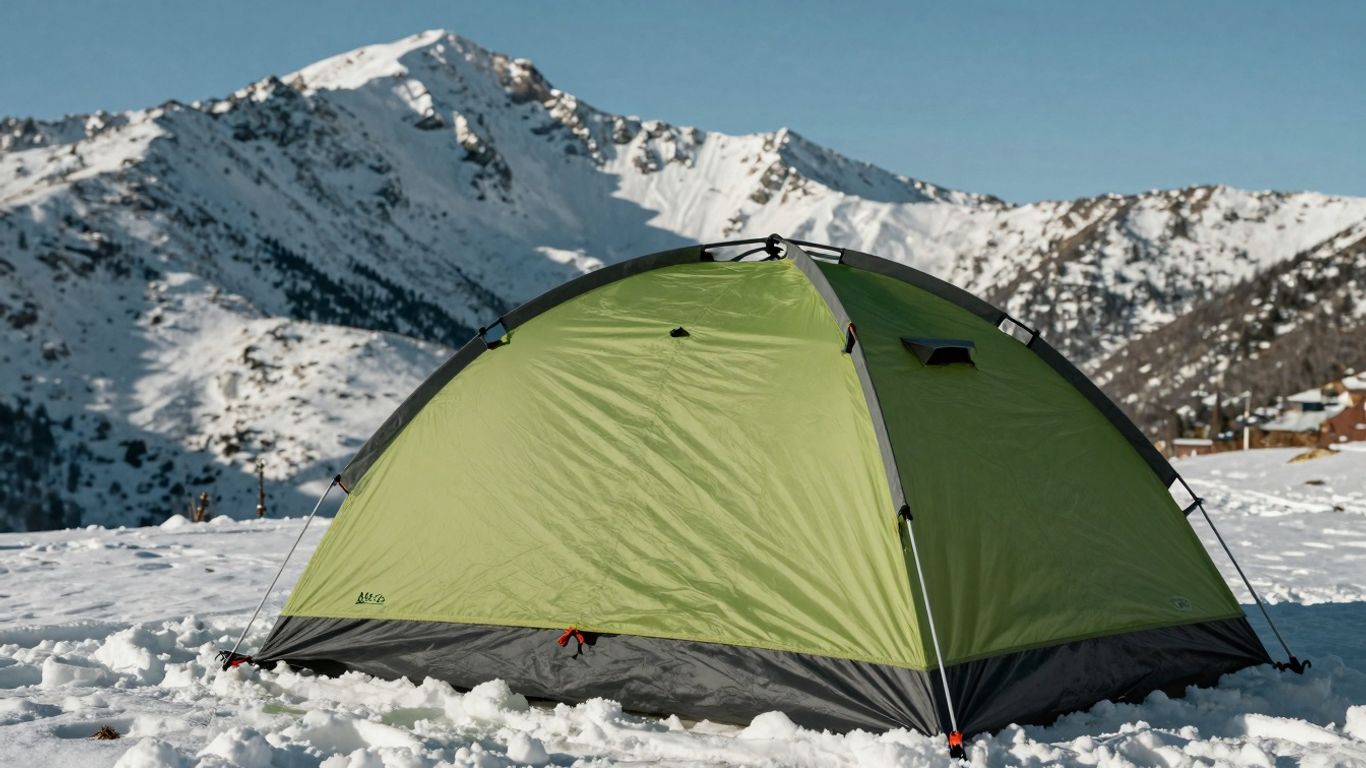
The MSR Access 2 is a pretty interesting tent. It’s marketed as a four-season tent, but it really shines when you’re heading out for shorter trips in winter conditions, especially if you’re into ski touring or winter backpacking. What makes it stand out is its weight – it’s surprisingly light for a four-season shelter, tipping the scales at just over 4 pounds. That’s a big deal when you’re carrying everything on your back.
Setting this tent up is generally straightforward, which is a huge plus when you’re dealing with cold weather and maybe some wind. It’s got a freestanding design, meaning it can stand on its own without needing to be staked out immediately, and that makes a difference when the ground is frozen or covered in snow. Plus, it has two doors and two vestibules, which is super handy. You and your tent buddy can get in and out without disturbing each other, and there’s a decent amount of space to stash your boots and packs.
| Feature | MSR Access 2 |
|---|---|
| Weight | 4 lb 1 oz |
| Floor Area | 29 sq ft |
| Peak Height | 42 inches |
| Packed Size | Small |
| Doors | 2 |
| Vestibules | 2 |
Now, it’s not perfect. Because it’s designed to be light and warm, it doesn’t have a ton of mesh, which can lead to some condensation buildup on colder nights. Also, while it’s tall enough to sit up in the middle, the pole structure means it can feel a bit cramped, especially if you’re on the taller side. It’s definitely more of a “fast and light” winter tent than a basecamp palace.
This tent strikes a good balance for winter trips where weight is a major concern. It offers solid protection without feeling like you’re hauling a tank. Just be prepared for potential condensation and maybe a bit of a snug fit if you’re tall.
3. MSR Remote 2
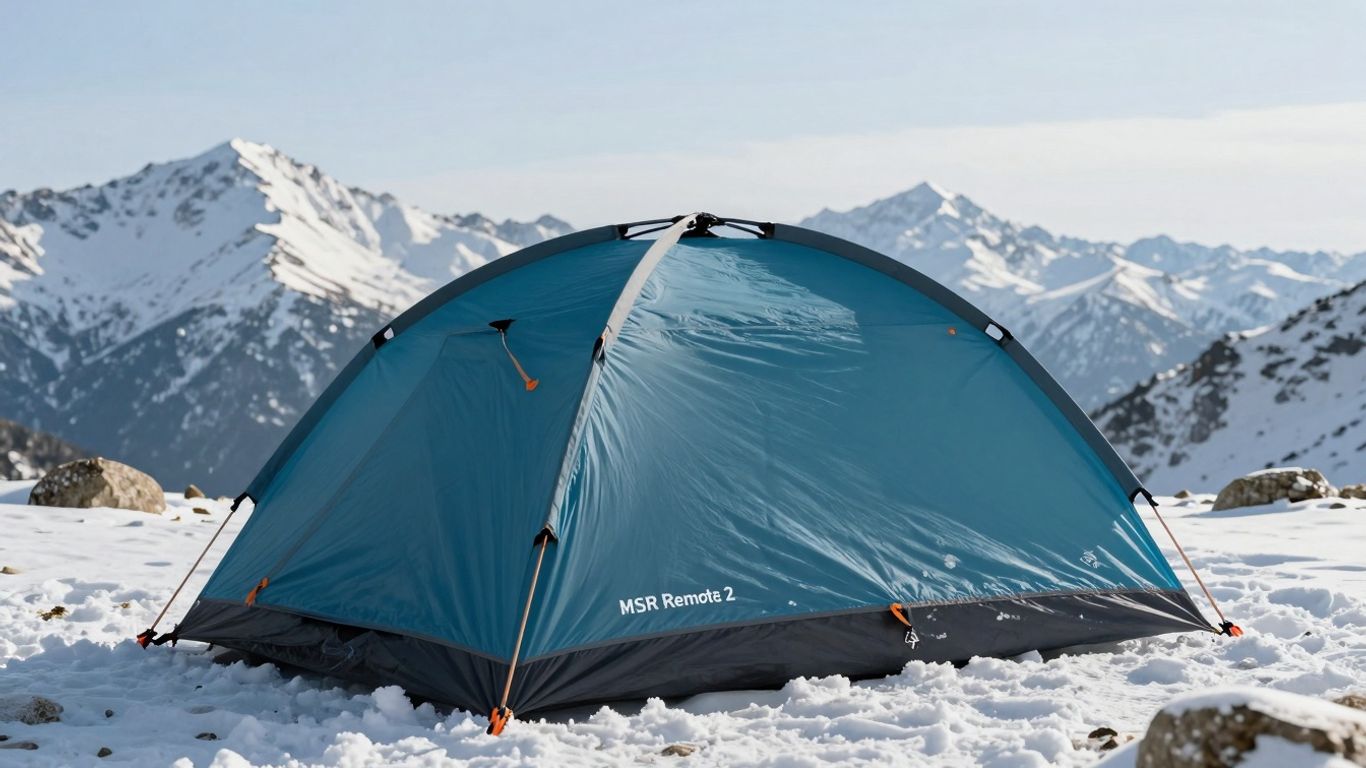
The MSR Remote 2 is a tent that really tries to hit a sweet spot for winter camping. It’s not the absolute lightest thing out there, but it’s pretty darn close for a four-season tent, coming in at just over 4 pounds. This makes it a solid choice if you’re heading out on ski tours or just want something that won’t feel like a boulder in your pack.
What I like about the Remote 2 is its versatility. It’s got a freestanding design, which is a lifesaver when you’re trying to set it up on uneven, snowy ground. Plus, having two doors and two vestibules is a game-changer. You and your partner can get in and out without climbing over each other, and there’s decent space for boots and packs in those vestibules. It’s not a palace, mind you, but it’s functional.
Setup is generally straightforward, which is always a plus when the wind is howling or snow is coming down. The poles are designed to be robust, and the fabric should hold up against pretty nasty weather. It’s definitely built to handle snow loads and wind.
However, it’s not perfect. Some folks find it a bit snug, especially if you’re on the taller side. The interior space, while manageable, can feel a little cramped for longer trips or if you tend to bring a lot of gear. Condensation can also be an issue, as it is with many single-wall tents, so good ventilation management is key.
Here’s a quick look at some specs:
| Feature | MSR Remote 2 |
|---|---|
| Packed Weight | 4 lb. 1 oz. |
| Floor Area | 29 sq ft |
| Doors | 2 |
| Vestibules | 2 |
| Season | 4-Season |
While the MSR Remote 2 isn’t the most spacious tent on the market, its balance of weight, ease of setup, and weather resistance makes it a strong contender for winter adventurers who need a reliable shelter without breaking the bank or their backs.
Overall, the Remote 2 is a dependable option for those looking for a capable four-season tent that doesn’t weigh a ton. It’s a good all-around performer for a variety of winter conditions.
4. Black Diamond Mega Light
The Black Diamond Mega Light is a bit of an outlier in the extreme cold weather tent world, and honestly, that’s part of its charm. It’s a floorless, single-wall pyramid shelter that really shines when you’re dealing with snow. Because it doesn’t have a floor, you can dig down into the snow to create a more protected living space, even building benches or tables if you’re feeling ambitious. This makes it super versatile for winter camping, especially below treeline.
It’s incredibly lightweight for the amount of space it offers. Weighing in at just under three pounds, it packs down surprisingly small. You get a massive 51 square feet of interior space, which is enough room for three people and all their winter gear. Testers found it quite livable, even comfortable enough to set up camp chairs inside. The pyramidal shape is great for shedding snow, and there’s a top vent to help manage condensation, which is a big deal in a single-wall tent.
However, this tent isn’t without its quirks. It has a bit of a steep learning curve when it comes to setup, especially if you’re trying to do it alone in windy conditions. You absolutely need to use snow anchors or stakes properly, and there’s no vestibule space for gear storage, nor are there any interior pockets. Organization is key here, but the sheer size of the interior means your gear will likely stay dry and out of the way.
Here’s a quick rundown of what makes it stand out:
- Massive Interior Space: Plenty of room to spread out, even for three people with winter gear.
- Lightweight Design: Excellent space-to-weight ratio for backpacking.
- Snow Camping Ready: Floorless design allows for digging out a custom living space.
- Ventilation: A top vent helps reduce condensation buildup.
While it lacks some of the creature comforts of more traditional tents, like vestibules and pockets, its unique design and impressive space-to-weight ratio make it a compelling option for winter adventurers who prioritize flexibility and minimal bulk. It’s also a great value for the price, making it an accessible choice for many.
5. Tarptent Scarp
The Tarptent Scarp is a really interesting option if you’re looking for something that can handle a lot of different conditions without weighing you down too much. It’s not exactly a traditional tent, more like a hybrid that gives you a lot of flexibility. This tent really shines in its adaptability. You can set it up in a few ways, which is pretty neat. Want just a bug shelter for summer? You can do that. Need something more robust for winter? You can add on different pieces to beef it up.
It’s surprisingly light for what it offers, usually coming in under 3.5 pounds. That’s great for carrying it on longer trips. The main pole is a single arch, and then there are these carbon fiber bits that help keep the ends stable. For serious winter use, you can even add extra poles to make it freestanding and better at holding up snow. I heard from one person who said their ceiling didn’t sag at all even after a fresh snowfall, which is pretty reassuring.
While the main living space is pretty good, especially with that 45-inch peak height, the vestibule space is on the smaller side. You’ll need to be organized with your gear if you’re using this in wet or snowy weather.
Here’s a quick look at some specs:
- Weight: Around 3.4 lbs
- Peak Height: 45 inches
- Vestibule Space: About 11.8 sq ft total
- Material: 30-denier silicone-coated ripstop nylon
It’s a solid choice if you value being able to change your setup based on the season and don’t mind a bit of a learning curve to get the most out of its modular design. It’s a good balance between weight, protection, and cost, which is hard to find.
6. Hyperlite Ultamid 2
When you’re aiming for the absolute lightest setup possible, especially for winter trips where every ounce matters, the Hyperlite Ultamid 2 is a serious contender. This thing is basically a super-tough tarp shaped like a pyramid, and it’s made from this really strong, really light material called Dyneema Composite Fabric (DCF). Because it’s a pyramid and floorless by default, it has a ton of space inside for its weight. You can actually stand up in it, and two people can comfortably hang out, maybe even cook, without feeling totally cramped.
It’s the kind of shelter that makes you rethink what’s possible with ultralight gear.
Setting this up usually involves two trekking poles or a special center pole you buy separately. It’s not exactly a ‘pitch-in-a-hurry’ kind of tent, especially if the weather turns nasty, but once it’s up, it’s incredibly stable. The DCF fabric is pretty amazing – it doesn’t sag when wet, doesn’t soak up water, and can take a beating from branches or rocks.
Here’s a quick look at some specs:
- Weight: Around 1 lb 2 oz (without stakes and poles)
- Peak Height: 64 inches
- Floor Area: 63 sq ft
One thing to keep in mind is that it doesn’t come with a floor. You can buy a mesh insert separately, which is pretty much a must if you’re planning on using this in snowy or buggy conditions. That adds to the cost, making it one of the pricier options out there. But for the sheer amount of space you get for the weight, and how well it holds up in bad weather, a lot of people find it worth the investment.
The floorless design means you need to be mindful of snow or bugs getting in, especially when you open the door. It’s a trade-off for that incredible weight savings and spacious interior.
7. Hilleberg Nallo 2 GT
The Hilleberg Nallo 2 GT has been around for a while, and for good reason. It’s a tent that serious adventurers often turn to when they need something reliable for long trips in tough conditions. This isn’t your average weekend warrior tent; it’s built for expeditions.
When you first look at the Nallo 2 GT, you’ll notice its tunnel design. This shape is great for shedding wind, which is a big deal when you’re out in the open. It’s made with Hilleberg’s Kerlon fabric, which is tough and keeps water out. While it’s called ‘lightweight,’ it’s still a bit on the heavier side compared to some ultralight options, but that weight comes with serious durability.
One of the standout features is the massive vestibule space. Seriously, you could probably have a small party in there. This means tons of room for all your gear, especially if you’re carrying a lot for a multi-day trip. It also helps keep the inside of the tent clear.
The low profile and multiple guy-out points make this tent incredibly stable. Testers reported it barely budged even in strong winds, which is exactly what you want when the weather turns nasty.
However, that low profile does mean less headroom. If you’re tall, you might find yourself stooping a bit when you’re inside. It’s a trade-off for that wind resistance.
Here’s a quick look at some specs:
| Feature | Specification |
|---|---|
| Weight | 6.4 lbs |
| Peak Height | 39 inches |
| Vestibule Space | 25 sq ft |
| Material | Kerlon Ripstop Nylon |
If you’re planning an extended trip where weather protection and ample storage are top priorities, the Nallo 2 GT is a solid, albeit expensive, choice. It’s a tent that’s designed to last and perform when you really need it to.
8. Argali Absaroka 4
The Argali Absaroka 4 is a pretty interesting tent, especially if you’re looking for something a bit different. It’s a four-person pyramid tent, which means it’s got a ton of space inside – like, 84 square feet of it. This tent really shines when you add their optional wood stove. It’s designed to handle some serious weather, with testers reporting it holding up well even with a couple of inches of snow. The fabric, a 20-denier ripstop sil-poly, seems to do a good job of shedding snow and doesn’t sag much.
One of the coolest things is the option to use it with a wood stove. The Skyline Ti Titanium Wood Stove, sold separately, fits right in the middle and can make cold nights surprisingly cozy. People have said they were comfortable in just their base layers on freezing nights. The stove pipe goes through a special heat-resistant jack on the tent, which is pretty neat.
Here’s a quick look at some specs:
- Capacity: 4 Person
- Weight: 5.1 lbs (with stove)
- Floor Area: 84 sq ft
- Peak Height: 74 inches
It’s built to be pretty tough, and the steep walls help snow slide off easily. You can pitch it with a center pole or even two trekking poles. It’s a solid option for winter camping if you’re willing to go the extra mile for that stove setup. Just remember, like many pyramid tents, organization inside can be a bit of a challenge since there aren’t many built-in pockets. It’s a great alternative to more traditional tents for your outdoor adventures in harsh conditions.
While it offers a lot of space and the unique ability to add a stove for warmth, it’s worth noting that the stove setup itself introduces a fire risk that needs careful management. Always follow safety guidelines when using a stove inside a tent.
9. Mountain Hardwear Trango 2
The Mountain Hardwear Trango 2 is a tent that really feels like a fortress. If you’re heading out into serious winter conditions, like high winds or deep snow, this tent is built to handle it. It’s one of the most stable four-season tents out there, and it feels incredibly solid even when the weather is really throwing a fit. Mountaineers have trusted this tent for a long time, and after using it, I can see why. It doesn’t budge much, even in strong gusts, thanks to its sturdy pole design and low profile.
I was also impressed with how much space it offers. The fly coverage is deep, and the front vestibule is big enough to stash all your gear or even do a bit of cooking if you’re stuck inside. This makes a real difference when you’re waiting out a storm for a day or two.
Now, it’s not a tent for everyone. It’s pretty heavy and packs up quite large, so if you’re trying to go ultralight, this probably isn’t your pick. Ventilation is also a bit more limited compared to some lighter four-season options. But if your main goal is a tent that will absolutely keep you safe and comfortable through harsh winter weather, those trade-offs feel totally worth it. It’s a shelter you can rely on for years of winter adventures.
Key Features:
- Exceptional Durability: Built to withstand harsh conditions.
- Storm-Worthy Design: Low profile and strong pole structure for wind resistance.
- Spacious Interior: Ample headroom and a large vestibule for gear and cooking.
- Easy Setup: Features pre-installed guy lines for quicker pitching.
Specs:
| Feature | Specification |
|---|---|
| Weight | 9 lb. 7 oz. |
| Packed Size | Large |
| Floor Area | 40 sq ft |
| Price (approx.) | $950 |
10. The North Face Mountain 25
The North Face Mountain 25 has been a go-to for serious winter expeditions for a long time, and for good reason. It’s built like a tank, offering a really solid and predictable shelter when the weather decides to throw a tantrum. If you’re heading out into some seriously harsh conditions and want a tent that just works, this is a strong contender. We’ve used this tent quite a bit over the years, and it consistently holds up, proving its worth in wind, snow, and bitter cold.
What really makes the Mountain 25 stand out is how it balances toughness with a decent amount of living space. The pole setup is robust, but inside, it feels a bit roomier than some other mountaineering tents. Plus, those big storage pockets are a lifesaver for stashing bulky winter gear. Having two doors and two vestibules is super handy too; it keeps your wet, snowy stuff separate from your dry living area.
Sure, it’s not perfect. It’s definitely on the heavier side, which is pretty standard for a true four-season tent like this. It can also get a bit warm if you’re using it in milder weather. Setting it up might take a little practice at first, though the color-coded poles and sleeves do help make it easier. But honestly, for dedicated winter camping or basecamp use, these aren’t really deal-breakers.
Here’s a quick look at some specs:
| Feature | Specification |
|---|---|
| Weight | 9 lb. 13 oz. |
| Floor Area | 29.3 sq ft |
| Vestibule Area | 2 vestibules |
| Packed Size | Varies (approx.) |
| Season | 4-Season |
| Capacity | 2 Person |
| Price (approx.) | $690 |
If you need a tough, proven tent that gives you a bit more room and comfort than your typical expedition shelter, the Mountain 25 is a great pick. It might not be the lightest or the most cutting-edge, but it’s built to last and will be a reliable partner for many winter adventures to come.
Wrapping Up Your Winter Shelter Search
So, picking the right tent for really cold weather can feel like a lot. You’ve got expedition-level beasts for serious climbs and lighter options for weekend trips. We looked at a bunch, testing them out in some pretty rough spots to see how they held up against wind, snow, and just general winter misery. Remember, the best tent for you really depends on where you’re going and what you’re doing. Whether you need something super tough for high mountains or just a reliable spot to sleep when it’s chilly, there’s a shelter out there that fits the bill. Happy adventuring out there, and stay warm!
Frequently Asked Questions
What makes a tent a “4-season” tent?
A 4-season tent is built tough to handle bad weather. Think strong winds, heavy snow, and cold temperatures. They usually have sturdier poles, extra tie-down points, and fabrics that can handle a beating, unlike lighter tents made for warmer weather.
Do I really need a 4-season tent for winter camping?
It depends on where you’re going and what you’re doing. If you’re planning a trip in harsh, exposed areas with strong winds and lots of snow, like high mountains, then yes, a 4-season tent is a good idea. For milder winter camping closer to home or below the trees, a good 3-season tent might be enough, but a 4-season tent will offer more peace of mind.
What’s the difference between mountaineering, basecamp, and treeline tents?
Mountaineering tents are super light and strong for climbing big mountains. Basecamp tents are heavier but really tough, meant for staying put in rough weather. Treeline tents are a mix, offering good protection for winter but still being light enough for hiking.
How important is weight when choosing a winter tent?
Weight is a big deal, especially if you’re hiking a long way with your tent. Lighter tents are easier to carry, but sometimes they might not be as strong or have as much room. You have to find a balance between how much you can carry and how much protection you need.
What does “livability” mean for a tent?
Livability is all about how comfortable it is to hang out inside your tent. This includes how much space you have to sit up, move around, and store your gear. Features like pockets, big vestibules (the covered area outside the door), and easy-to-use zippers all add to how livable a tent is.
Are more expensive tents always better for extreme cold?
Not always, but often you get what you pay for. Higher prices can mean better, lighter materials, stronger designs, and more features that make a big difference in bad weather. However, some cheaper tents can still be great for less extreme conditions if you know what to look for.
Recommended Mountaineering Equipment
These products can support safer climbing, belaying, rappelling, and emergency readiness.
Affiliate disclosure: As an Amazon Associate, TradClimbers may earn from qualifying purchases at no additional cost to you.
Keep exploring helpful trad climbing, gear, safety, and technique resources.