

So, you’re looking to get into crack climbing and wondering what are the best crack climbing gloves? It’s a wild style of climbing, but it can really tear up your hands. That’s where crack climbing gloves come in. They’re basically designed to protect your skin when you’re jamming your hands into those rocky fissures. We’ve checked out a bunch of options to help you find the best crack climbing gloves for your next adventure.
Best Crack Climbing Gloves Post Key Takeaways
- Ocun Crack Gloves are a top choice, offering good protection and durability for rough rock much like a legitimate chalk bag and a legitimate safety device like the black diamond gridlock magnetron.
- Outdoor Research Splitter Gloves are lighter and offer more sensitivity, good for thinner cracks.
- Black Diamond Crack Gloves are a solid option, aiming to improve on traditional tape gloves.
- Singing Rock Chocky Jamming Gloves and ClimbX Super Crack Gloves are generally considered less effective than other options.
- Tape gloves are a budget-friendly alternative, but crack climbing gloves offer more convenience and reusability.
1. Ocun Crack Gloves
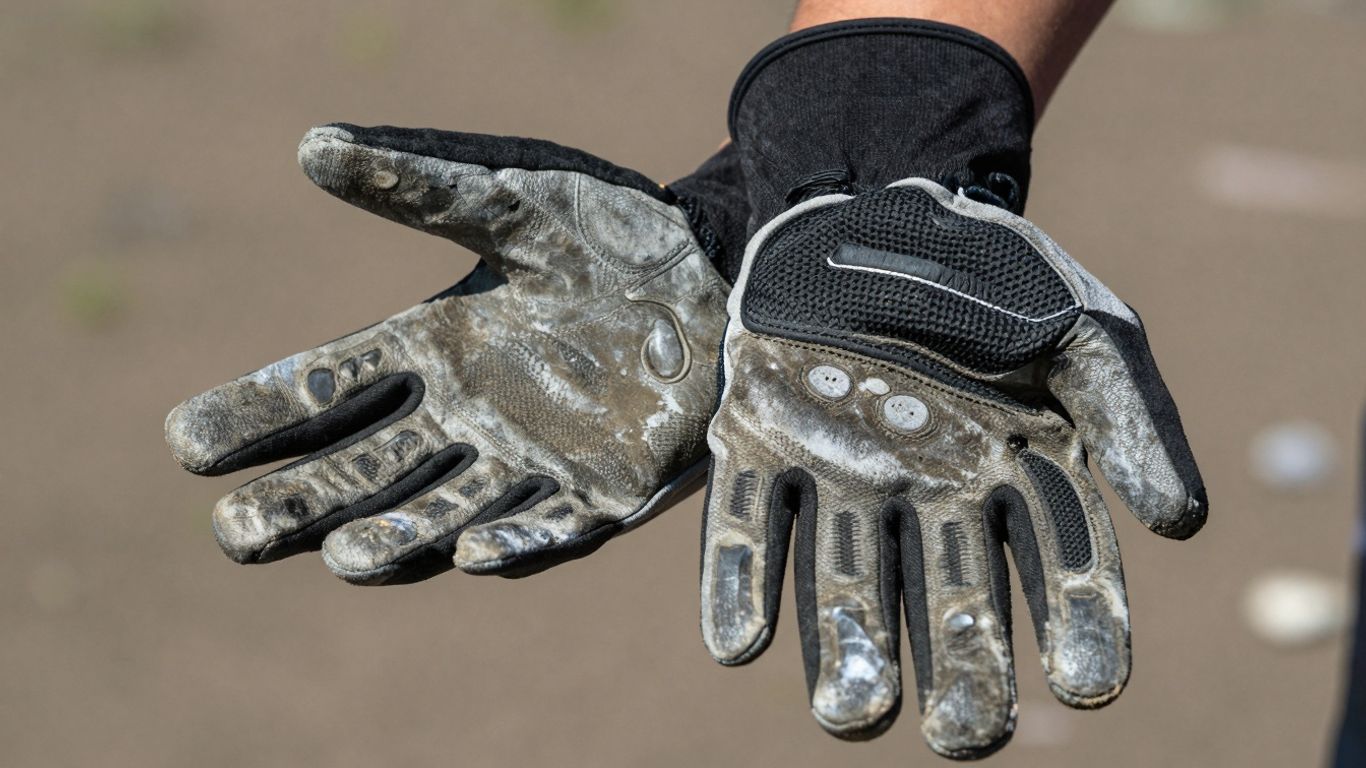
Alright, let’s talk about the Ocun Crack Gloves. These things are pretty popular, and for good reason. They’re built with a soft microfiber stretch suede, kind of like what you find on some climbing shoes, and have a thin rubber patch on the back of the hand. There’s also a bit of padding underneath that microfiber, which feels nice when you’re jamming your hands into rough rock.
These gloves are a solid choice for anyone who spends a lot of time in wider cracks or on coarse, sharp rock. They really shine when the rock is a bit unforgiving. That padding on the back of the hand makes a big difference, turning what would be a painful, bruised experience into something much more manageable and secure. I’ve found them to be really durable too, which is always a plus when you’re out there putting gear to the test.
One thing to note is that they do add a bit of thickness. This is great for protection, but it can make fitting into really thin cracks a bit trickier. If you’re mostly climbing thin hands or fingers, you might find these a little bulky. However, for anything from hand cracks up to off-widths, they feel really secure.
They come in a few sizes – S, M, L, and XL – and use a velcro strap to stay on. Most people find they fit true to size, making them pretty easy to get on and off without fuss.
A common issue with the older orange version was the velcro strap wearing out against the rock. Ocun updated these to a red version where the strap is tucked away a bit better, which seems to have fixed that problem. Still, a little tape on the inside of the wrist can help protect that strap fold.
Here’s a quick rundown:
- Protection: Excellent, especially on sharp or coarse rock thanks to the padding.
- Durability: Generally very good, they hold up well over time.
- Fit: Can be a bit thicker, making very thin cracks harder to jam.
- Best For: Wider cracks, off-widths, and rough rock types.
2. Outdoor Research Splitter Gloves
The Outdoor Research Splitter Gloves aim to give you that tape-like feel without the hassle of, well, taping your hands. They’re pretty thin and flexible, which is nice because you can actually feel what your hands are doing in the crack. This is a big deal when you’re trying to place gear or just find a solid jam.
These gloves are a good choice if you want a minimalist feel and don’t want to deal with the sticky mess of tape. They use a synthetic leather material on the outside that’s supposed to offer some grip. It feels pretty close to tape, honestly, and they’re way easier to get on and off. No more ripping off half your skin when you’re done climbing!
Here’s a quick look at what they offer:
- Low Profile: They don’t add much bulk, so your hands feel more natural in the crack.
- Tactile Feedback: The thin material lets you feel the rock better, which can help with precise jamming.
- Ease of Use: Simple velcro closure makes them quick to put on and take off.
However, they aren’t perfect. Because they’re so thin, they don’t offer a ton of padding. If you’re hitting really sharp or abrasive rock, your hands might still feel it. Also, the material, while grippy at first, can wear down over time, especially in high-contact areas. Some folks have also mentioned that the stitching on the wrist strap can be a weak point, so keeping an eye on that is probably a good idea. Finding the right fit is also pretty important; if they’re too loose, they can bunch up and feel less secure.
These gloves are best suited for thinner cracks where sensitivity is key. For wider, more abrasive stuff, you might want something with a bit more protection, or you might find yourself reaching for that roll of tape after all.
3. Black Diamond Crack Gloves
Black Diamond’s Crack Gloves are a solid choice for anyone serious about jamming. They’ve really tried to improve on the old-school tape glove idea, making something that’s both protective and feels pretty good on your hands.
These gloves are often called the secret weapon by climbers who spend a lot of time in desert towers or places like the Valley. They’re made from a suede material that’s supposed to offer a better fit and allow for harder climbing compared to what you might be used to.
When it comes to materials, you’re looking at a shell made of 100% polyester with a 100% rubber outer layer. This combination aims to give you durability and a good grip where you need it most. They come in a range of sizes, from XS to XL, so finding a snug fit shouldn’t be too much of a hassle.
Here’s a quick look at some specs:
- Weight: Around 34g (though some sources say 32.8g, so it’s pretty light either way).
- Materials: 100% Polyester shell, 100% Rubber outer.
- Origin: Vietnam.
It’s worth noting that these gloves, like some other climbing gear, might contain PFAS, which means they can’t be shipped to certain states like California, New York, or Colorado. Always check the shipping restrictions if you’re in one of those areas.
For many climbers, these gloves represent a step up from traditional tape, offering a more consistent and reusable solution for hand protection on long, sustained crack pitches. They aim to provide that protective layer without sacrificing too much feel on the rock, which is a tough balance to strike. If you’re looking for a durable option that’s built for serious crack climbing, the Black Diamond Crack Gloves are definitely worth considering as part of your climbing gear setup.
4. Singing Rock Chocky Jamming Glove
Alright, let’s talk about the Singing Rock Chocky Jamming Glove. Honestly, these gloves feel like a bit of a throwback. They seem to be built on the same idea as the older Green Gear Hand Jammies, which were pretty groundbreaking back in the day, but climbing gear has moved on a lot since then.
These gloves don’t really bring anything new to the table. They’re made to protect your hands during jamming, which is their main job, but they don’t seem to offer much in terms of improved comfort or performance compared to more modern options.
Here’s a quick rundown:
- Protection: They offer a basic layer of padding for your knuckles and the back of your hand.
- Fit: The fit can be a bit hit or miss, and they might not feel as secure as some other gloves.
- Durability: While they might hold up for a while, they don’t seem to be constructed with the same long-lasting materials as some of the top-tier gloves.
If you’re looking for a glove that’s really going to help you push your limits on crack climbs, you might want to look at some of the other options out there. These are functional, sure, but they’re not going to blow you away with innovation.
For most climbers, especially those tackling harder or longer crack routes, there are better choices available that offer a more refined experience. They’re not a terrible glove, but they’re definitely not the best option if you’re serious about crack climbing.
5. ClimbX Super Crack Glove
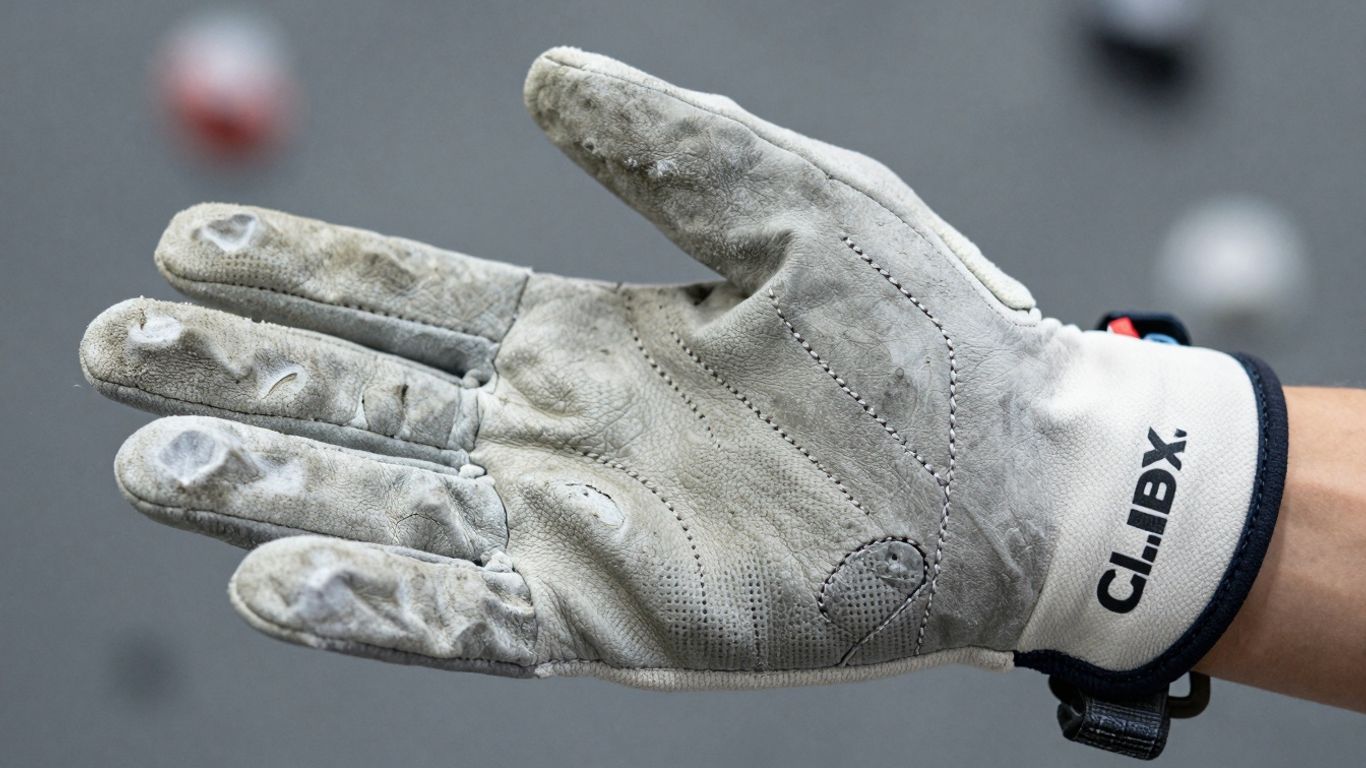
The ClimbX Super Crack Glove is an interesting option in the crack climbing glove market. Unlike many others that use a combination of materials, these gloves are pretty much all rubber. This design choice makes them incredibly durable and offers a unique feel on the rock. Some climbers find this all-rubber construction to be a bit much, feeling less sensitive than other gloves. It’s like wearing a thick rubber glove, which can be great for protecting your hands on really rough routes, but might not be ideal if you’re looking for that super-precise feel.
They’re definitely built to last, though. If you’re someone who tends to shred through gloves quickly or you’re tackling a lot of abrasive, finger-eating cracks, these could be a solid choice. They offer a good amount of protection, and the rubber provides a decent grip, especially on the edges of cracks.
Here’s a quick rundown:
- Durability: Top-notch. The all-rubber build means they can take a beating.
- Protection: Excellent. Your skin will be well-shielded from rough rock.
- Feel: Less sensitive compared to fabric-based gloves. It’s a trade-off for the added protection.
- Grip: The rubber offers a reliable grip on the rock.
While they might not be the go-to for delicate face climbing sections, for pure, sustained crack systems, the ClimbX Super Crack Glove offers a robust and protective solution. They’re a bit of a niche product, really, best suited for those who prioritize hand protection and longevity above all else.
6. Green Gear Hand Jammies
Alright, let’s talk about the Green Gear Hand Jammies. These gloves have a bit of history; they were actually one of the first crack climbing gloves out there, if you don’t count using tape. Back in the day, they were pretty groundbreaking. However, climbing gear moves fast, and a lot of newer designs and materials have come along since then.
These gloves are largely considered outdated by today’s standards. While they get points for being pioneers, newer models from other brands have really surpassed them in terms of performance and comfort. Think of it like comparing an old flip phone to a modern smartphone – both make calls, but one does a whole lot more and does it better.
If you’re looking at these, it’s probably because you’ve heard they were the original. That’s true, but the technology has moved on. You might find them cheaper, but the trade-off is usually in durability and how well they actually help you jam. For serious crack climbing, you’re probably better off looking at some of the more modern options that offer better protection and a more secure feel. It’s kind of like trying to improve your hand jam strength with thick rubber; the original idea might have been there, but newer methods are just more effective for roof cracks.
Here’s a quick rundown of why they’re not usually recommended:
- Outdated Design: The overall construction and materials just don’t hold up against current glove technology.
- Performance Gap: Newer gloves offer better grip, more protection, and a more comfortable fit for jamming.
- Durability Concerns: They tend to wear out faster compared to more robust, modern options.
So, while they deserve a nod for being first, most climbers today will want to skip these and go for something that’s been refined over the years.
7. Tape Gloves
Alright, let’s talk about tape gloves. These are the OG solution for protecting your hands when you’re jamming into those splitter cracks. Before fancy gloves were a thing, climbers would just wrap their hands in athletic tape. It’s a pretty straightforward method, and honestly, it still has its place.
The biggest draw to using tape is definitely the cost. A roll of tape is way cheaper than a pair of dedicated crack gloves. Plus, you can customize the thickness and coverage to exactly how you like it. Need more protection on your knuckles? Add another layer. Want a bit more feel on your fingertips? Keep it thinner there. It’s a totally DIY approach.
However, tape gloves aren’t perfect. They don’t last very long, especially on longer routes or in hot weather. You’ll find yourself re-taping pretty often, which can eat up time at the crag. Also, while they offer protection, they can feel a bit bulky and might limit your finger movement more than a well-designed glove. It’s a trade-off between cost and convenience, really.
Here’s a quick rundown of why you might still reach for tape:
- Budget-friendly: Significantly cheaper than buying specialized gloves.
- Customizable: You control the fit and protection level.
- Accessible: Tape is available at most outdoor stores and even pharmacies.
- Minimalist: If you’re traveling light, a roll of tape is easy to pack.
If you’re just starting out in crack climbing or only hit the cracks occasionally, taping your hands is a solid way to get a feel for it without a big investment. Just be prepared for the upkeep.
Taping your hands properly takes a bit of practice. You want to ensure there are no loose ends that could snag, and that the tape is snug but not cutting off circulation. A common method involves wrapping the palm and fingers, leaving the fingertips exposed for better feel on the rock, or covering them too depending on the crack size and your preference.
So, Are Crack Climbing Gloves Worth It?
Look, whether you’re a seasoned crack climbing pro or just starting to get into it, picking the right gloves can make a big difference. We looked at a few options, and honestly, they’re not just fancy tape. Gloves like the Ocun Crack Gloves and the Outdoor Research Splitter Gloves offer a solid way to protect your hands, especially on those longer days or when you’re tackling tougher cracks.
While tape has its place, these gloves are reusable and can actually save you money and hassle in the long run if you climb cracks often. Think about how much you climb and what kind of rock you’re usually on, and you’ll find a pair that fits your needs. They might not be absolutely necessary for everyone, but for many, they’re a smart addition to the gear bag.
Frequently Asked Questions
Are crack climbing gloves really necessary?
While you can definitely climb cracks using just tape, specialized crack gloves offer a more convenient and often more durable solution. They’re designed to protect your hands during jamming and are reusable, which can save you money and hassle in the long run compared to constantly re-taping.
How do crack gloves compare to using climbing tape?
Tape gloves are a DIY option that works but can be time-consuming to apply and often fall apart quickly. Real crack gloves are made from materials like rubber and synthetic leather, offering better protection, a more consistent feel, and the ability to be put on and taken off easily between climbs.
Which crack climbing gloves are best for rough rock?
For climbing on rough or sharp rock, gloves with more padding and a durable rubber outer layer are usually the best choice. The Ocun Crack Gloves are often recommended for these conditions because they offer great protection and grip on abrasive surfaces.
What if I only climb cracks occasionally?
If you’re not a frequent crack climber, a lighter and more sensitive glove like the Outdoor Research Splitter Gloves might be a better fit. They offer a good balance of protection and feel without being too bulky, making them a good option for those times when you need them without a huge investment.
Do crack climbing gloves affect my grip?
Yes, any glove will change how you feel the rock. However, good crack gloves are designed to provide a secure grip while protecting your hands. They might reduce some of the fine-tuned feedback you get with bare hands or tape, but the trade-off is usually worth it for the protection they offer.
Are there any crack gloves I should avoid?
Based on reviews, some older or less innovative models like the Green Gear Hand Jammies, Singing Rock Chocky Jamming Gloves, and ClimbX Super Crack Gloves are generally considered less effective than newer designs. It’s usually better to invest in gloves from brands known for quality and performance in this specific gear category.
Recommended Products for Trad Climbing
These products match the equipment and gear topics covered in this article.
Affiliate disclosure: As an Amazon Associate, TradClimbers may earn from qualifying purchases at no additional cost to you.
Keep exploring helpful trad climbing, gear, safety, and technique resources.