

Picking out the right climbing harness can feel like a puzzle, especially when you’re just starting out. There are so many options out there, and they all seem to have different features. Whether you’re planning on hitting the gym regularly or heading out to the local crag for some outdoor climbing, having a solid harness is key.
This post breaks down some of the best climbing harness for beginners in 2026, aiming to make your gear choice a little easier. You may also want to check out this post I wrote on how to make a climbing harness out of webbing.
Best Climbing Harness for Beginners Post Key Takeaways
- For beginners, all-around harnesses like cool climbing chalk bags are usually the best bet. They work well for different types of climbing without being too specialized.
- Comfort is super important for new climbers. A harness that fits well and feels good will make your climbing experience much better.
- While fancy features are nice, focus on a harness that’s durable and safe. You don’t need the most expensive model to start.
- Adjustable leg loops can be helpful for getting a good fit, but some harnesses with fixed loops work great too.
- Consider where you’ll be climbing most often. Gym climbing might need something different than outdoor sport routes.
Black Diamond Momentum
Alright, let’s talk about the Black Diamond Momentum harness. This one’s a real popular choice, especially if you’re just getting into climbing or maybe you’re not totally sure how serious you’ll get about it yet. It’s kind of the go-to for a lot of people’s first harness, and honestly, for good reason. It hits a sweet spot between being comfortable enough for a decent session and not costing an arm and a leg.
The Momentum is designed to be a solid all-arounder, taking you from gym sessions to outdoor sport routes without a hitch. It’s got four gear loops, which are pretty standard and work fine for clipping your quickdraws and other bits. Plus, the leg loops are adjustable, which is a nice touch for getting a good fit. The waistbelt is padded, adding to the overall comfort when you’re hanging around or taking a break.
Now, it’s not going to have all the fancy tech you see on the super high-end harnesses. The padding and weight distribution aren’t quite as advanced as some of Black Diamond’s pricier models, like those with their Fusion Comfort Tech. Those harnesses tend to spread the load a bit more evenly, and they might feel a little lighter. But honestly, for most beginners, the difference is pretty minimal – we’re talking maybe an ounce or two.
Here’s a quick rundown of what you get:
- Comfortable Padded Waistbelt: Makes hanging and resting a bit more pleasant.
- Adjustable Leg Loops: Helps you dial in the fit for your body.
- Four Usable Gear Loops: Enough space for your sport climbing rack.
- Durable Construction: Built to handle regular use.
If you’re on a tight budget or just dipping your toes into climbing, the Momentum is a really smart buy. It’s functional and won’t hold you back as you learn the ropes. You can always upgrade later if you decide to go all-in on the sport.
It’s a dependable piece of gear that offers good value. You can find more details about its features and what makes it a great starting point for new climbers.
Black Diamond Solution
The Black Diamond Solution harness has been around for a while, and for good reason. It’s a solid, dependable choice that many climbers, especially those focused on sport climbing and gym sessions, have come to rely on. It strikes a good balance between comfort and performance without breaking the bank, making it a popular pick for beginners and experienced climbers alike.
This harness is a real workhorse for sport climbing and gym use. It’s not the lightest thing out there, and it might not have all the bells and whistles of some high-end models, but it gets the job done reliably. You can expect it to hold up well over time, even with regular use. It’s comfortable enough to hang in for a while, which is pretty important when you’re working a route or just chilling at the belay.
Here’s a quick look at what it offers:
- Comfort: Features like the “Fusion Comfort” technology in the waist belt help spread the load, so it doesn’t feel like it’s digging into you. The leg loops are also designed for a decent fit.
- Gear Loops: It typically comes with four gear loops. They’re usually molded and easy to clip quickdraws onto, which is great for sport routes. However, if you’re planning on carrying a lot of trad gear, you might find them a bit limited.
- Durability: Black Diamond generally makes tough gear, and the Solution is no exception. It can handle scrapes and scuffs from rock and gym walls.
- Adjustability: The leg loops are elasticated and generally don’t adjust. This means you need to get the sizing right, but it also means they stay put once you’ve got them on.
While it’s a fantastic option for sport climbing and gym climbing, the Solution isn’t the most versatile harness if you’re planning on getting into trad, ice, or alpine climbing. For those activities, you’d likely want something with more adjustability or different features. But for its intended purpose, it’s a really solid performer.
Black Diamond Solution Guide
Alright, let’s talk about the Black Diamond Solution Guide harness. This thing has been around for a bit, and for good reason. It’s a solid choice, especially if you’re getting into longer climbs or just want something that feels really secure and comfortable when you’re hanging out for a while.
The Solution Guide is built tough, designed to handle a lot of abuse without complaining. I’ve heard from people who’ve put this harness through the wringer – think squeezing through tight chimneys and taking a bunch of falls – and it just keeps on going. It uses what Black Diamond calls “Contour Edge Technology,” which basically means the waist and leg loops are a bit stiffer in the middle for support but softer around the edges. This makes a noticeable difference when you’re spending hours in the harness; it just feels more comfortable and doesn’t dig in.
Here’s a quick rundown of what makes it stand out:
- Durability: This harness is made to last. It can take scrapes and rubs from rough rock without showing significant wear.
- Comfort: The contoured design really helps distribute pressure, making those long belay sessions or multi-pitch days much more bearable.
- Gear Loops: It’s got plenty of space to stash your gear, though some folks find the rear loops could be angled a bit better to keep things from sliding around.
One thing to keep in mind is that while it’s super comfortable for hanging, the gear loop setup isn’t perfect for everyone. If you tend to load up a ton of gear or have specific ways you like to organize your rack, you might find yourself wishing for a slightly different arrangement on the rear loops. Also, if you like to clip your chalk bag to a dedicated loop, you’ll need to make sure your chalk bag has a belt.
Overall, the Solution Guide is a reliable workhorse. It might not be the absolute lightest harness out there, but its comfort and durability make it a fantastic option for anyone looking for a harness that won’t let them down on longer days at the crag or on multi-pitch routes.
Mammut Sender
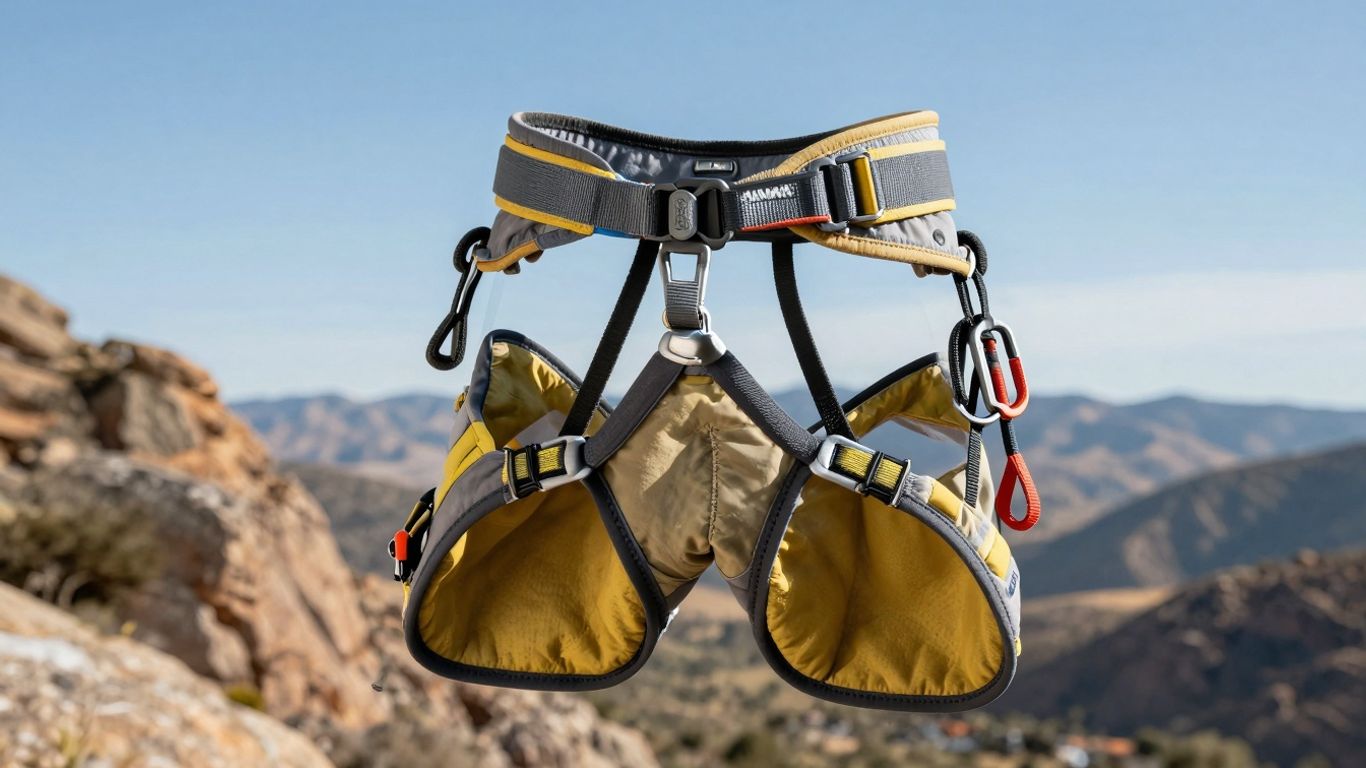
The Mammut Sender harness is a solid choice for climbers who want a good balance of comfort and performance without breaking the bank. It’s surprisingly supportive for how light it feels, making it a great option for longer climbing days or when you’re working on challenging routes. The fabric blend is flexible, so it moves with you, and the padding around the waist feels soft and comfortable, even when you’re hanging in it for a while.
One of the standout features is how breathable this harness is. Thanks to laser-cut perforations, it lets air flow through, which is a big deal when you’re climbing on warm days and trying to avoid that sticky, sweaty feeling. It really does make a difference when you’re focused on a tough sequence.
Here’s a quick look at what makes the Sender stand out:
- Lightweight Design: You barely notice it’s there, which is great for sending your project.
- Comfortable Padding: Soft and supportive, it makes hanging around much more bearable.
- Breathable Fabric: Keeps you cooler during those intense climbing sessions.
- Durable Tie-In Point: A plastic guard helps protect against rope wear, a smart touch.
While the Sender is fantastic for sport climbing and longer pitches, the rear gear loops can feel a bit small if you’re planning on carrying a lot of gear for more involved trad routes. It’s definitely geared more towards sport climbers or those doing multi-pitch sport climbs where you don’t need a massive rack.
It comes in a bright safety orange color, which is pretty hard to miss. Some people love it, others might find it a bit much, but hey, at least you’ll be visible! Overall, the Sender is a well-rounded harness that offers a lot of comfort and features for its price point, making it a strong contender for many climbers.
Black Diamond Zone
The Black Diamond Zone harness is a solid choice for climbers looking for a versatile option that doesn’t break the bank. It’s a bit of a do-it-all harness, suitable for gym climbing, sport routes, and even some multi-pitch adventures. It strikes a good balance between comfort, functionality, and price.
One of the standout features is its Fusion Comfort technology. This system helps distribute weight evenly across your waist and leg loops, making it feel more comfortable, especially when you’re hanging for a while. The leg loops are thin but surprisingly supportive, though it’s worth noting they aren’t adjustable. This means they need to fit you well right out of the box.
When it comes to gear, the Zone comes equipped with four pressure-molded gear loops. These are pretty easy to clip gear onto and offer enough space for a decent rack, whether you’re heading out for a day of cragging or a longer route. There’s also a loop on the back for extra bits and bobs.
While it might not be as burly as harnesses designed specifically for big wall trad climbing, the Zone holds up well. Even after a good amount of use, including some rougher climbs, the wear is mostly cosmetic. It’s a lighter option compared to some of Black Diamond’s more specialized harnesses, making it a bit easier to pack and carry.
This harness is a great option if you’re looking to upgrade from a very basic first harness and want something that can handle a variety of climbing styles without feeling overly specialized or expensive. It’s a reliable workhorse for the everyday climber.
Here’s a quick look at what makes the Zone a good pick:
- Four pressure-molded gear loops: Easy to load and access your gear.
- Fusion Comfort technology: Distributes weight for better comfort.
- Lightweight design: Easier to carry and pack.
- Durable construction: Holds up well to regular use.
If you need a harness that can do a bit of everything and won’t cost a fortune, the Black Diamond Zone is definitely worth considering.
Edelrid Ace
The Edelrid Ace is a solid choice if you’re primarily into sport climbing and want something that feels a bit more comfortable than some of the stiffer options out there. It’s got a nice, supple feel that testers found pretty good for long days at the crag, even for some longer sport routes. It also packs down really small, which is a bonus if you’re always on the move.
This harness really shines for sport climbing and general cragging. It’s not really built for the super demanding stuff like long trad climbs with chimneys or offwidths, though. The gear loops are decent – four of them, with the front two being the most spacious. You can fit a good amount of quickdraws, but if you’re planning on hauling a big rack of cams, plus a water bottle and a jacket, things start to get a bit tight. So, for those massive multi-pitch adventures, you might want to look elsewhere.
One thing to note is that the leg loops aren’t adjustable. This means you need to get the fit just right from the start. If you have larger legs or plan on layering up a lot in colder weather, this could be an issue. It does have slots for ice screw clips, which is a nice touch for winter climbing, but the non-adjustable leg loops are a bit of a trade-off there.
When you’re hanging or belaying, the Ace does a pretty good job of spreading out the pressure. It uses a design that avoids those really uncomfortable pressure points without making the harness bulky. Even the belay loop, which is on the smaller side, held up well over time with no visible wear, which was a pleasant surprise.
Here’s a quick rundown:
- Best for: Sport climbing, cragging, lighter multi-pitch sport routes.
- Gear Loops: Four loops, front two are most spacious.
- Fit: Runs a bit small, consider sizing up if you’re on the edge.
- Leg Loops: Not adjustable, so fit is key.
- Comfort: Good pressure distribution for hanging and belaying.
If you’re looking for a comfortable, lightweight harness that’s great for sport climbing and easy to pack, the Edelrid Ace is definitely worth checking out. Just be mindful of the sizing and the non-adjustable leg loops.
Arc’teryx Skaha
The Arc’teryx Skaha harness is a pretty interesting piece of gear. It’s designed to be super lightweight, which is a big plus when you’re trying to shave off every ounce possible for a long climb. This harness really shines when it comes to carrying gear, thanks to its four generously sized gear loops. You can actually fit a lot on there – think extra draws, big cams, or even essentials like a water bottle or a light jacket. The loops are angled a bit forward, which some people love because it makes gear easy to see, while others find it gets in the way. It’s a personal preference thing, I guess.
When it comes to comfort, the Skaha uses Arc’teryx’s ‘warp strength’ technology, which is supposed to spread the load evenly. The leg loops and waist belt have some padding and are breathable, which is nice for warmer days. However, compared to some older Arc’teryx models, it’s not quite as plush. I found it okay for hanging belays and even sleeping in on a multi-day wall, but it’s definitely not the most comfortable harness out there, especially considering the price point. It packs down really small, making it easy to stuff in your pack when you’re not wearing it.
Here’s a quick rundown of what it offers:
- Four large gear loops: Plenty of space for a full rack.
- Lightweight design: Weighs around 10.7 ounces (medium).
- Breathable padding: Good for climbing in warmer conditions.
- Packable: Takes up minimal space when not in use.
While the Skaha is a solid choice for sport climbing and situations where weight is a major concern, its comfort level might not satisfy everyone, especially those used to more heavily padded harnesses. It’s a good option if you’re looking for a lightweight harness that can still carry a decent amount of gear without breaking the bank compared to some other high-end brands.
If you’re looking to reduce weight without spending a fortune, the Skaha is definitely worth a look. It’s a good example of a lightweight climbing harness that balances features and cost.
Petzl Luna
The Petzl Luna harness is a solid choice, especially if you’re looking for something designed with female anatomy in mind. Petzl really tweaked this one to fit women better, which makes a big difference when you’re hanging around or moving on the rock. It has a longer rise between the leg loops and the waist belt, meaning it sits more comfortably and doesn’t dig in.
I’ve heard from climbers that the gear loops on this harness are pretty great. There are five of them, and they’re spaced out well. The front ones are a bit stiffer, which helps keep your gear organized and easy to grab. The rear ones are more rounded, giving you extra space for things like your chalk bag or belay device. This setup is super handy when you’re racking up for a trad climb or just need quick access to your essentials.
One thing to keep in mind is the sizing. While Petzl aimed for a better fit, the Luna might run a bit small compared to some other brands. If you’re on the larger end of the size spectrum, it’s worth trying it on or looking into alternatives like the Petzl Corax to make sure you get the right fit. A good fit is really important for comfort and safety, after all.
The redesigned waistbelt and leg loop connection is a standout feature, aiming to prevent the harness from riding up or feeling restrictive during various climbing movements. This attention to detail can make a noticeable difference on longer climbs.
Overall, the Luna is a breathable and comfortable option that doesn’t get in the way. It’s a good pick for those who appreciate a harness that feels like it was made for them, offering a blend of comfort and practical features for a range of climbing disciplines.
Blue Ice Cuesta Adjust
Alright, let’s talk about the Blue Ice Cuesta Adjust. This harness is kind of a sweet spot if you’re looking for something lightweight without completely emptying your wallet. It weighs in at about 10.9 ounces, which is pretty comparable to some fancier, more expensive options out there. I actually wore this thing without a shirt on some really hot days, and honestly, it didn’t get that annoying itchy feeling that some harnesses can cause. Plus, even after hanging around for a while during workouts, I didn’t find any spots that dug in uncomfortably, which is a big win.
Now, here’s the thing: because it’s so light, it’s not really built for hauling a ton of gear. The loops where you clip your quickdraws and stuff are pretty minimal. I saw someone put a drill on them during testing, and they definitely sagged. So, if you’re planning on doing some serious trad climbing or need to carry a lot of hardware, this might not be your go-to. But for sport climbing, gym sessions, or just getting out on single-pitch routes, it’s a solid choice.
- Comfortable for extended wear, even without a shirt.
- Lightweight design makes it easy to move in.
- Affordable compared to many ultralight options.
If you’re into sport climbing or gym climbing and want a harness that feels light and doesn’t break the bank, the Cuesta Adjust is definitely worth a look. Just don’t expect it to carry a rack of cams like a pack mule.
Singing Rock Dome
Alright, let’s talk about the Singing Rock Dome. This harness is definitely geared more towards the big wall climber, and you can tell. It’s got a ton of features packed in, which is great if you’re hauling gear or doing multi-pitch routes. The adjustability is pretty sweet; it has two buckles on the waist and leg loops that you can tweak, so you can really dial in the fit, even if you’re layering up. Testers liked how easy the Rock&Lock buckle was to use – quick and simple.
However, don’t expect this to be your go-to for a hot day at the gym. It’s not the most breathable harness out there, and some folks found it got a bit sweaty. Also, while it has decent padding, it’s not exactly plush. For a big wall harness, some testers thought it could offer a bit more support when you’re hanging around for a while.
Here’s a quick rundown of what it offers:
- Two belay loops
- Seven gear loops (yes, seven!)
- A rear haul loop
- Adjustable waist and leg loops
If you’re into trad climbing or spending days on multi-pitch routes and need a harness that can carry a lot of gear without breaking the bank, the Dome is a solid contender. It’s not the most comfortable for short sport climbs, but for its intended purpose, it’s a good value.
Ocun Twist Tech Eco
Alright, let’s talk about the Ocun Twist Tech Eco. This harness is pretty cool because it’s made with a big chunk of recycled stuff – like 82% recycled materials and some bio-based Dyneema that comes from wood waste. So, if you’re trying to be a bit kinder to the planet while you climb, this is definitely a harness to check out. It’s a nice feeling to know you’re not just using brand new plastic.
One of the neat features is this movable waist system. What it does is keep your gear loops right where you want them, centered, no matter how you adjust the size. That’s pretty handy. It’s also a comfortable harness, which is always a plus, especially when you’re spending a good chunk of time hanging around at the crag.
However, it’s not all perfect. The belay loop is pretty flat, and sometimes it can twist around when you’re tying in. It’s not a huge deal, but it can be a little annoying when you’re trying to get set up for a climb or transition between routes. Also, compared to some other harnesses that aren’t focused on recycled materials, this one is a bit bulkier when you pack it down. So, if you’re super concerned about having the smallest possible pack, that’s something to consider.
Here’s a quick rundown of what you get:
- Materials: 82% recycled content, including bio-based Dyneema.
- Weight: Around 380g, which is decent but not the lightest.
- Leg Loops: Adjustable, so you can get a good fit.
- Key Feature: The movable waist system for centered gear loops.
This harness proves that you can make a solid piece of climbing gear without relying solely on virgin materials. It’s a good option for beginners or anyone looking for a harness that aligns with more sustainable practices. You can find out more about Ocun climbing equipment if you’re interested in their range.
Overall, the Ocun Twist Tech Eco is a solid choice, especially if sustainability is a big factor for you. It offers good comfort and a smart design, with just a couple of minor quirks to be aware of.
Wild Country Mosquito
The Wild Country Mosquito is a pretty neat harness, especially if you’re trying to keep your pack light. It’s actually the lightest harness the brand has ever put out, weighing in at just over 9 ounces for a medium size. This makes it a solid choice for sport climbing and trying to send those tricky routes.
It’s designed to be streamlined, but surprisingly, it doesn’t skimp on comfort. The waist loop is made with a laminated construction that helps spread out pressure when you’re hanging around, which is a big deal when you’re on the wall for a while. They used a thin, soft mesh material that feels good against the skin, so you shouldn’t get those annoying hot spots.
When it comes to gear loops, they went minimalist to save weight. There are four in total, with two being a bit thicker and two being thinner. You can fit a standard rack of about 12 quickdraws, which is usually enough for sport climbing. Just don’t expect to haul a massive trad rack on this one. It’s really built for those redpoint attempts where every ounce counts.
Here’s a quick look at what it offers:
- Lightweight Design: Under 10 ounces for a medium, making it easy to carry and wear.
- Comfortable Waist Loop: Laminated construction with soft mesh padding to reduce pressure points.
- Minimalist Gear Loops: Four loops, suitable for sport climbing quickdraws.
- Breathable: Designed to keep you cooler on warmer climbing days.
While it’s great for sport climbing, the limited gear loop space means it’s not the best pick if you plan on doing a lot of trad climbing or need to carry a lot of gear. It’s a specialized tool for a specific type of climbing.
If you’re looking for a harness that won’t weigh you down and is comfortable for those longer sport routes, the Wild Country Mosquito is definitely worth checking out. It’s a good example of how modern design can balance lightness with comfort for climbers focused on performance. You can find more details about this and other gear on sites that review climbing equipment, like those that cover harnesses such as the Wild Country Session 2.0.
Misty Mountain Titan
Alright, let’s talk about the Misty Mountain Titan. This harness is a bit of a beast, and honestly, it’s built for some serious, long days out. If you’re thinking about tackling big walls or spending a ton of time on aid routes, this is where the Titan really shines. It’s not trying to be a lightweight, minimalist thing; it’s all about comfort and support when you’re hanging around for hours.
The padding on this thing is seriously noticeable. We’re talking a thick, dual-density foam waist loop that gives you great low back support, and the leg loops are padded too. They’re also adjustable, which is handy if you’re layering up for colder weather or just need a bit more room. The whole thing is wrapped in tough CORDURA nylon, so it should hold up to some abuse.
Here’s a quick look at what it offers:
- Six reinforced gear loops: Plenty of space for all your cams, nuts, and quickdraws. Seriously, you won’t run out of room here.
- Dual belay loops: Good for when you’re setting up anchors or switching leads.
- Rated haul loop: For when you need to haul gear or manage ropes.
- Ice clipper slots: Handy if you’re venturing into mixed or ice climbing territory.
While the Titan is built tough and offers a lot of support, it’s definitely a specialized piece. It’s not the harness you’d grab for a quick sport climbing session or a day at the gym. Its bulk and weight mean it’s best suited for those longer, more demanding climbs where comfort over extended periods is the top priority.
So, if your climbing goals involve multi-day ascents or extensive aid climbing, the Misty Mountain Titan is a solid, supportive choice. It’s a workhorse harness designed for those who need comfort and capacity on the wall.
Black Diamond Long Haul
The Black Diamond Long Haul harness is an interesting one. It’s marketed for those epic big wall climbs or multi-day aid routes, the kind where you’re basically living on the rock. However, after putting it through its paces on some serious wall ascents, it turns out it’s maybe not the absolute best for that specific job. The padding is pretty slim, and while that makes it light, it means long days can leave your lower back and hips feeling a bit beat up.
But here’s the twist: just because it’s not perfect for the extreme end of big wall climbing doesn’t mean it’s a bad harness. Far from it! We found it actually shines in a slightly different, but related, climbing style. Think of it as a step up from your standard all-around harness, but not quite as burly as a dedicated big wall rig. This is where the Long Haul really finds its stride for multi-pitch routes you can do in a single day, or for single-pitch trad climbing at crags that demand a lot of gear.
If you’re heading to places like Indian Creek, where you might need five or more cams of the same size just to lead a pitch safely, a heavy rack can be a real drag. The Long Haul, with its wider waist belt and plenty of gear loops, is built to handle that kind of load without feeling like you’re carrying a sack of potatoes. It’s not trying to reinvent the wheel; it just takes solid, proven features and puts them together in a neat package.
The dual belay loops are smooth and don’t snag, which is nice, and having two is super handy for longer rappels or when you’re climbing with a group of three. Plus, the leg loop buckles are easy to adjust, even if you’re wearing thick pants. So, while it might not be your first choice for a week-long siege on El Capitan, it’s a really solid option for a lot of other climbing scenarios, especially if you’re carrying a decent amount of gear. It’s a great option for beginner climbers looking for a better fit than a standard work harness. This harness is designed for comfort and performance.
Blue Ice Choucas Light
Alright, let’s talk about the Blue Ice Choucas Light. This harness is seriously light. We’re talking about something that feels like it barely exists when you’re wearing it, which is pretty awesome when you’re trying to move fast and light in the mountains. If minimizing weight is your absolute top priority, this is probably the harness for you. It’s designed for those big objectives where every ounce counts, like ski touring or long glacier traverses.
Putting it on is also a breeze, especially if you’re still wearing skis or crampons. The leg loops detach, which is a super handy feature that makes life a lot easier in tricky situations. You can just slip it on without having to do any awkward balancing acts.
Here’s a quick rundown of what it’s good for:
- Ski mountaineering
- Glacier travel
- Easy mountaineering routes
- Fast and light alpine ascents
Now, it’s not all sunshine and rainbows. Because it’s so minimalist, don’t expect to be chilling in it for hours on end during long belays. The hanging comfort isn’t its strong suit, and the gear loops are pretty small – enough for essentials, but not for hauling a massive rack. It’s a specialized tool, really.
This harness is built for movement and speed. It’s the kind of gear you wear when you’re actively climbing or traversing, and then you might barely notice it’s there when you’re not. It’s not really meant for extended periods of just hanging out.
Compared to some other harnesses out there, it’s definitely on the simpler side. It has two small gear loops and two ice clipper slots, which is enough for what it’s designed for, but it’s not going to be as versatile as a more padded, feature-rich harness. If you’re looking for a harness that can do it all, this might not be it, but for its intended purpose, it’s a standout. You can find more details on its performance in various climbing harness reviews.
Metolius Safe Tech Harness
Alright, let’s talk about the Metolius Safe Tech Harness. This thing is built like a tank, and honestly, it feels like it too. It’s not the lightest harness out there, not by a long shot, but that’s kind of the point. Metolius really went all-in on making this harness super robust, using high-strength materials everywhere. Seriously, most of the clip-in points, even the gear loops, are rated to at least 10 kN. That’s a lot of load-bearing capacity.
I’ve seen people use this for route development, where you’re dangling a heavy drill and all sorts of gear. Even after hours of hanging around in awkward positions, it seems to hold up pretty well and stays comfortable. It’s definitely geared more towards those long days where you might be hanging on belay for a while, or if you’re carrying a ton of gear. The wide, padded waist belt and adjustable leg loops are a big part of that comfort, especially when you’re layered up in winter clothes or have a heavy pack.
Here’s a quick rundown of what makes it stand out:
- Extreme Durability: Built with heavy-duty materials for maximum lifespan.
- High Load Capacity: Rated clip-in points and gear loops handle significant weight.
- Comfort for Long Hangs: Padded waist and leg loops support you during extended belays.
- Versatile Gear Management: Plenty of space for all your climbing essentials.
Now, it’s not going to feel like a featherweight harness for quick sport climbs. It’s a bit heavier and can feel a little clunky compared to some of the sleeker options. Adjusting it can also be a bit more involved. But if you’re someone who prioritizes safety above all else, or if you’re involved in tasks like search and rescue or route development where you need that extra peace of mind with your gear, the Metolius Safe Tech Harness is a solid choice. It’s a harness designed for serious work and reliability on challenging climbs.
While it might look a bit old-school with its traditional foam and webbing construction, don’t let that fool you. This harness is all about function and safety, offering a level of redundancy and strength that’s hard to find elsewhere. It’s a tool built for specific, demanding situations where failure isn’t an option.
Petzl Aquila
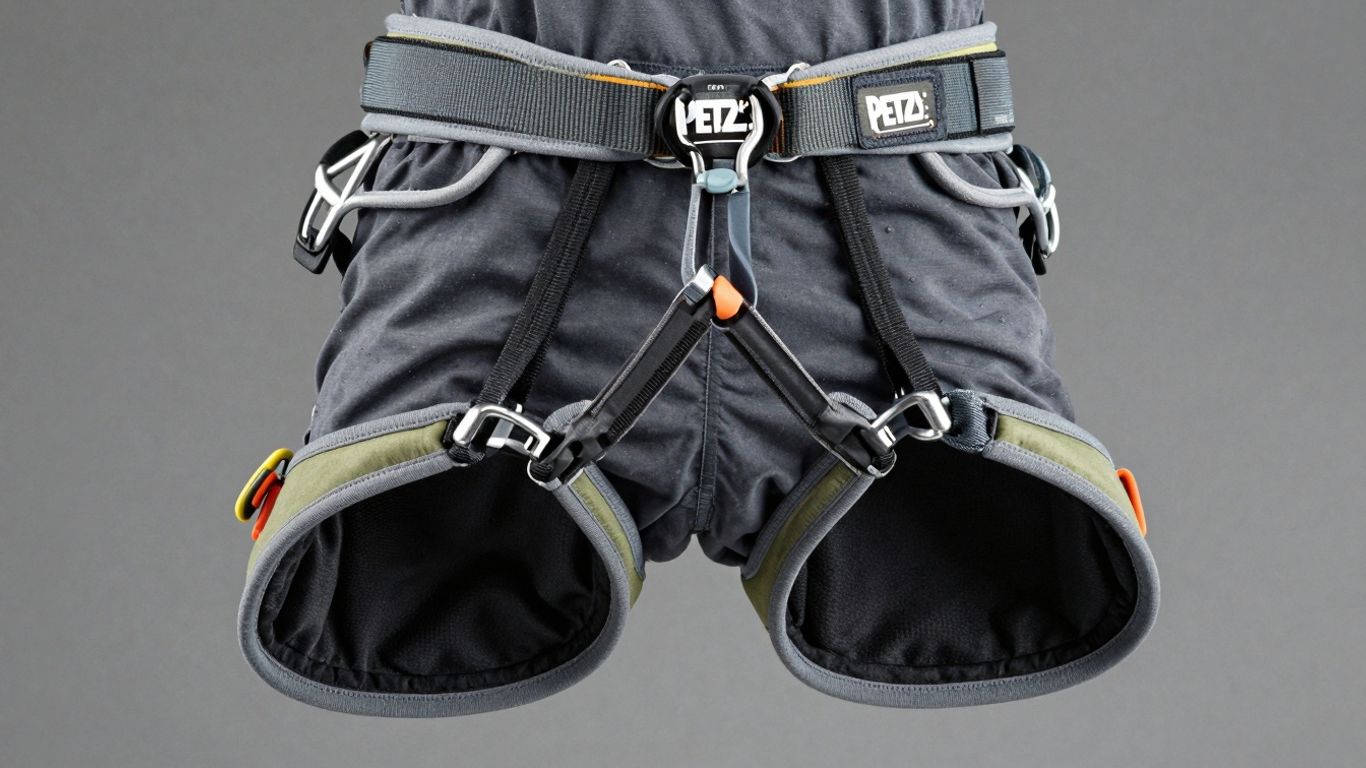
The Petzl Aquila is a harness that really shines when you’re heading out for longer climbs, especially those that involve a mix of trad and multi-pitch. What sets it apart are the gear loops – they’re seriously generous. You get two big ones on each side, plus an extra-large one that stretches across the back. This means you can load it up with a full double rack of cams and nuts on the front loops, and still have plenty of space on the back loop for your belay device, extra carabiners, or even your approach shoes and a water bottle. It’s like having a mobile gear shed strapped to your waist.
This harness offers a lot of adjustability, which is great for fitting over different layers of clothing. With a good amount of give in both the waist and leg loops, you can dial in the fit whether you’re wearing a thin t-shirt or a bulky insulated jacket. This makes it a pretty versatile option for different seasons and climbing styles.
Here’s a quick look at what makes the Aquila stand out:
- Massive Gear Loops: Seriously, you can fit a ton of gear. The rear loop is perfect for bulkier items.
- High Adjustability: Plenty of room to adjust waist and leg loops for a comfortable fit over various clothing.
- Comfortable for Long Days: The padding and design are built for extended wear.
While it’s not the lightest harness out there, its capacity for gear and comfort on long routes make it a solid choice for anyone tackling bigger objectives. It’s a workhorse that can handle a lot.
Black Diamond Technician
The Black Diamond Technician harness is a solid choice if you’re looking for something that can handle a bit of everything without breaking the bank. It’s not the fanciest harness out there, but it gets the job done for a variety of climbing styles, from gym sessions to outdoor sport routes and even some trad climbing.
One of the standout features is its Fusion Comfort Light technology. This means the webbing is designed to spread the load more evenly, which makes a noticeable difference when you’re hanging in the harness for a while. It’s a step up from the most basic harnesses, offering a bit more comfort without adding a ton of bulk.
Here’s a quick look at what it offers:
- Comfortable Fit: The contoured waist and leg loops are designed to sit well on your body, reducing pressure points.
- Durability: While not built for extreme abuse, it holds up well to regular use, meaning you won’t have to replace it after just a few months.
- Ice Clipper Slots: If you ever plan on dabbling in ice climbing or mountaineering, the inclusion of ice clipper slots is a nice bonus.
- Packability: It’s relatively lightweight and can pack down small, making it easy to toss in your pack for a trip.
This harness is a great option for climbers who want a reliable all-rounder that won’t cost a fortune. It’s particularly good if you’re moving beyond your very first harness and want something a bit more refined for general climbing.
However, if you’re planning on doing a lot of aid climbing or need a harness with a huge amount of gear loops for a massive trad rack, you might find yourself wanting something a bit more specialized. The gear loops are adequate for most sport climbing quickdraws and a few cams, but they aren’t massive. Also, for really long days on big walls where comfort is paramount, there are other harnesses with more padding.
For the beginner looking to get into mountaineering or just wants a dependable harness for general climbing without a huge investment, the Black Diamond Technician hits a sweet spot. It balances comfort, functionality, and price really well.
Petzl Sama
Alright, let’s talk about the Petzl Sama. If you’re just getting into climbing or maybe looking for a solid, no-frills harness that won’t break the bank, this one is definitely worth a look. It’s a really comfortable harness, especially when you’re just hanging out at the belay.
When I first started climbing, I remember feeling overwhelmed by all the gear options. The Sama felt like a breath of fresh air. It’s not trying to be the fanciest harness out there, but it gets the job done, and it does it well. For sport climbing and general gym use, it’s pretty much perfect. The gear loops are well-placed, making it easy to clip your quickdraws or cams. Plus, the elastic leg loops are fixed, which means they stay put and don’t get in the way, giving you a good range of motion.
Here’s a quick rundown of what you get:
- Comfort: It’s surprisingly comfortable, even on longer belay sessions. The padding is just right.
- Gear Loops: You get four gear loops, which is plenty for most sport and trad routes. They’re sturdy and easy to access.
- Adjustability: While the leg loops are fixed, the waist belt is fully adjustable, so you can get a snug fit.
- Durability: It feels pretty robust. You can tell it’s built to last through plenty of climbing days.
Now, it’s not the perfect harness for everything. If you’re planning on doing a lot of ice climbing or serious alpine routes, you might want something with more specific features, like ice-clipper slots. For those kinds of adventures, a harness like the Blue Ice Choucas Pro might be a better fit. But for the vast majority of rock climbing – think sport routes, gym sessions, and even some longer trad climbs – the Sama is a fantastic choice. It really hits that sweet spot between performance and price. You get a lot of comfort and functionality without spending a fortune.
Honestly, for beginners, the biggest win with the Sama is its straightforward design and comfort. You don’t need to worry about complicated adjustments or features you won’t use. It just works, letting you focus on your climbing.
Wrapping It Up
So, there you have it. Picking the right harness when you’re just starting out might seem like a lot, but honestly, it’s mostly about finding something that feels good and lets you focus on learning the ropes. We’ve looked at a bunch of options, from the super basic ones that won’t break the bank to slightly more specialized picks. Remember, the best harness for you is the one that fits well, feels comfy when you’re hanging around, and doesn’t get in the way while you’re climbing. Don’t stress too much about having the fanciest gear right away; focus on getting out there and enjoying the climb. Happy sending!
Frequently Asked Questions
What’s the most important thing for a beginner’s climbing harness?
For new climbers, the most crucial factor is comfort. A harness that feels good while you’re hanging or moving makes a big difference in enjoying your climb. It should also fit well. You don’t need a lot of fancy features when you’re just starting out; focus on a secure and comfy fit.
How do I know when to replace my climbing harness?
It’s smart to check your harness often for any signs of wear and tear, like fraying threads or damage to the webbing. If you’re ever unsure if it’s still safe to use, it’s always best to get a new one. Manufacturers usually have guides on how to care for and when to retire your harness.
Do I need a special harness for different types of climbing?
Yes and no! While some harnesses are made for specific climbing styles (like sport climbing or big wall climbing), many beginner harnesses are ‘all-around’ types. These work well for a variety of climbing, like gym climbing or learning to climb outside. As you climb more, you might want a specialized harness for your favorite type of climbing.
Is a more expensive harness always better?
Not necessarily. While pricier harnesses might have more advanced features or be lighter, safety is usually consistent across different price points. For beginners, a moderately priced harness that fits well and is comfortable is often the best choice. You don’t need to spend a lot to get a safe and functional harness.
What are gear loops for on a climbing harness?
Gear loops are those little fabric or plastic loops around the waist of your harness. Climbers use them to clip their climbing gear, like protection (cams and nuts) or quickdraws, so they can easily reach them while climbing. Beginners usually don’t need a ton of gear loops, but more experienced climbers on longer routes might want more.
How much should a beginner climbing harness cost?
Beginner-friendly harnesses typically range from about $65 to $100. You can find great options in this price range that offer good comfort and the essential features you’ll need for learning and practicing. Don’t feel pressured to buy the most expensive one; focus on finding a solid, comfortable fit.
Recommended Products for Trad Climbing
These products can support safer climbing, belaying, rappelling, and emergency readiness.
Affiliate disclosure: As an Amazon Associate, TradClimbers may earn from qualifying purchases at no additional cost to you.
Keep exploring helpful trad climbing, gear, safety, and technique resources.
- A Climber’s Guide to Rock Climbing in Thailand
- A Trad Climber’s Guide to the Isle of Skye Ridge
- Hueco Tanks Rock Climbing: hueco tanks rock climbing Essentials
- A Climber’s Guide to The Nose of El Capitan
- The Top 8 Unforgettable Climbing Routes El Capitan Has to Offer in 2026
- Yoga for Climbers: Boost Strength, Flexibility, and Recovery | yoga for climbers