

Finding the best budget backpacking sleeping bag doesn’t have to break the bank nor aquring one of the best 4 season tents. You want something that keeps you warm when the temperature drops, but also something that won’t weigh you down or take up all your pack space. We looked at a bunch of different options to figure out the best budget backpacking sleeping bag for your next adventure. Whether you’re hitting the trail for a weekend or a longer trip, there’s a good chance one of these will work for you.
Key Takeaways
- The REI Co-op Trailmade 20 is a solid synthetic option that offers good value for its price.
- For a bit more warmth and a down fill, the Kelty Cosmic 20 is a popular choice that balances cost and performance.
- The Mountain Hardwear Bishop Pass 15 is noted for being a more affordable, lightweight choice for backpackers.
- Synthetic bags like the TETON Sports Trailhead are often heavier but can be a more budget-friendly choice, especially in damp conditions.
- When looking for the best budget backpacking sleeping bag, consider the temperature rating, weight, packed size, and insulation type to match your needs.
1. REI Co-op Trailmade 20
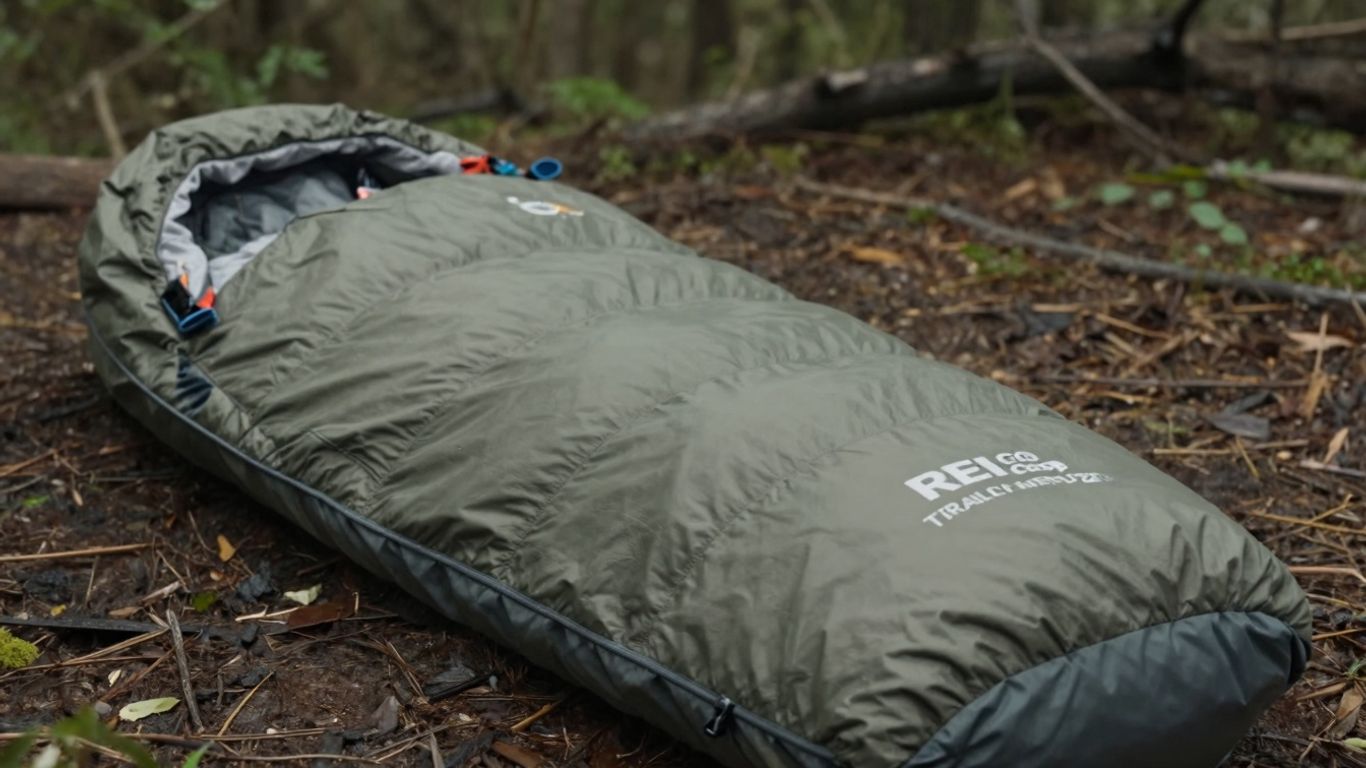
When you’re just starting out in backpacking, or maybe you only hit the trail a few times a year, dropping a ton of cash on gear can feel like a big ask. That’s where the REI Co-op Trailmade 20 comes in. It’s one of those rare finds that offers a lot of bang for your buck, especially for a synthetic sleeping bag. It’s pretty comfortable for most people, though if you’re a really restless sleeper or planning some serious mileage, you might want to consider other options.
This bag has some thoughtful little touches that make a difference. The zipper pulls are long, which is handy when you’re fumbling around in the dark. The hood has two different drawcords, so you can cinch down the top and bottom separately to really seal out the cold. Plus, the inside is bright yellow – a small thing, but it makes it way easier to find your headlamp or that missing sock in the morning. Since it uses recycled polyester insulation, it’ll still keep you warm even if it gets damp, unlike down.
Here’s a quick look at its specs:
| Feature | Specification |
|---|---|
| Temp Rating (Limit) | 21°F (ISO) |
| Insulation | Synthetic (98% recycled poly) |
| Weight (Regular) | 3.2 lbs |
| Pack Volume | ~9 Liters (with compression sack) |
It’s not the lightest or most compact bag out there, and that’s the trade-off for the lower price. If you tend to get cold easily, you might find it a bit chilly when temperatures dip close to 20°F. For those colder nights, you might want to look at some of the well-priced down bags available. But for the average weekend warrior or someone dipping their toes into backpacking, the Trailmade 20 is a solid synthetic choice that won’t break the bank.
2. Mountain Hardwear Bishop Pass 15
Mountain Hardwear might not be the first name that comes to mind for sleeping bags, but the Bishop Pass 15 like one of the best budget down sleeping bag options and is a solid contender, especially if you’re watching your wallet. It’s not trying to reinvent the wheel, sticking with a classic mummy shape and using 650-fill-power down. This means it’s a dependable choice for most three-season trips, as long as you’re not planning on hitting serious sub-freezing temps.
One of the standout features here is its durability. The 30-denier nylon shell feels tough and can handle being tossed around or even just lounging outside your tent on rocky ground. It’s nice to have a bag that feels like it will last. Plus, it has some thoughtful touches like an anti-snag zipper that actually works, a little glow-in-the-dark tab on the zipper pull (handy for those middle-of-the-night nature calls), and a small inside pocket for your phone or headlamp.
Here’s a quick look at its specs:
| Feature | Specification |
|---|---|
| Temperature Rating | 15°F (Lower Limit) |
| Fill Power | 650 FP |
| Insulation | RDS-certified Down |
| Weight | 2 lb 5.2 oz (Regular) |
| Fill Weight | 21.2 oz |
Now, it’s not the lightest bag out there, and the warmth-to-weight ratio isn’t as good as some pricier options. The included stuff sack is also a bit of a letdown – it feels cheap and adds unnecessary bulk. If you plan on packing it down small, you might want to grab a separate compression sack. Also, the mummy cut is on the trimmer side, which is great for keeping heat in but might feel a bit snug if you tend to move around a lot in your sleep. Overall, the Bishop Pass 15 offers a good balance of warmth, durability, and price for the everyday backpacker. It’s a smart choice if you want a reliable down bag without breaking the bank.
3. TETON Sports Trailhead
Alright, let’s talk about the TETON Sports Trailhead. This is a sleeping bag that really hits the sweet spot for folks who are just getting into backpacking or maybe don’t hit the trail every single weekend. It’s a synthetic bag, which means it uses materials that are generally more forgiving when they get a little damp compared to down. Plus, it’s usually a lot easier on the wallet.
This bag is a solid choice if your main concern is keeping costs down without sacrificing too much comfort. It’s not going to be the lightest thing you stuff into your pack, and it might take up a bit more space than some of the fancier, down-filled options out there. But honestly, for a lot of casual trips, that’s not a huge deal. You’re getting a decent temperature rating that should keep you comfortable on most three-season nights.
Here’s a quick look at some of the specs:
| Feature | Specification |
|---|---|
| Listed Temp Rating (ISO) | 26°F |
| Measured Weight | 3 lb. 5 oz. |
| Fill Power | 650 |
| Fill Weight | 28 oz |
When you’re looking for budget-friendly gear, it’s always good to check out options like the REI Co-op Trailmade 20. The Trailhead is definitely in that same category of providing good value. It’s built to be durable enough for regular use, and the synthetic fill means it’s pretty easy to care for. Just toss it in the wash when you get home, let it air dry, and it’s ready for the next adventure. It’s a no-fuss kind of bag.
One thing to keep in mind with synthetic bags like this is that they can be a bit bulkier. So, if you’re trying to pack super light and small, you might need to get creative with how you stuff it into your backpack. A good compression sack can help, but it’s still going to be a bit more volume than a comparable down bag. However, for the price point, it’s a trade-off many backpackers are willing to make.
For those who prioritize affordability and ease of maintenance, the TETON Sports Trailhead offers a practical solution for staying warm on cooler nights without breaking the bank. It’s a dependable option for casual campers and beginner backpackers alike.
4. NEMO Forte 20
NEMO has a reputation for making some seriously comfortable sleeping bags, and the Forte 20 is no exception. If you’re someone who moves around a lot in your sleep or just really values elbow room, this bag might be your new best friend. It’s designed with a bit more space than your typical mummy bag, especially around the shoulders and feet, so you don’t feel like you’re being squeezed all night. This focus on comfort makes it a standout for side sleepers and restless sleepers.
One of the neat features is the “Thermo Gill” vents. Basically, they’re zippers along the top of the bag that you can open up to let out some heat when the night isn’t quite as cold as you expected. It’s a clever way to regulate your temperature without having to fully unzip the bag. Plus, it has a roomy footbox, so your feet won’t feel cramped.
Here’s a quick look at what it offers:
- Temperature Rating: 20°F (ISO Comfort rating is typically higher, around 30°F, so keep that in mind for colder trips).
- Fill: 650-fill down, which is a good balance of warmth and weight for many conditions.
- Weight: Around 2 lbs 10 oz, which is pretty reasonable for a bag this comfortable.
- Shape: “Spoon” shape, wider than a traditional mummy bag.
While it’s not the absolute lightest bag out there, the NEMO Forte 20 really shines when it comes to providing a cozy and unrestricted sleeping experience. It’s a solid choice if you prioritize comfort and don’t mind a little extra bulk for that extra room to move.
5. Kelty Cosmic 20
Alright, let’s talk about the Kelty Cosmic 20. If you’re just getting into backpacking and your wallet is feeling a little light, this bag might be your new best friend. It’s a down-filled option, which is pretty cool for the price point. Now, it’s not going to be as light or pack down as small as some of those super-fancy, expensive bags, but honestly, for most weekend trips, it’s perfectly fine. It offers a solid balance of warmth and affordability.
One of the things I really appreciate about this bag is that it uses down insulation. While the 550-fill power isn’t the highest you’ll find, it’s still better than synthetic when it comes to how small it can pack. Plus, it feels pretty soft, both inside and out. You get some nice little features too, like a small zippered pocket for your phone or headlamp, and a draft tube to keep the cold air from sneaking in. The hood is also pretty warm, which is a big plus on chilly nights.
Here’s a quick rundown of what you’re getting:
- Insulation: 550-fill down
- Temperature Rating: Around 31°F (ISO Comfort)
- Shell Material: Recycled polyester
- Extra Features: Internal pocket, draft collar, smooth zippers
The footbox is surprisingly roomy, which is great if you tend to move around a lot in your sleep. No more feeling like you’re crammed into a sleeping bag.
Compared to some synthetic bags in a similar price range, like the Marmot Trestles Elite Eco 20, the Kelty Cosmic 20 is generally more packable. However, remember that down doesn’t perform as well when it gets wet, so if you’re expecting a lot of rain, you might want to consider a waterproof stuff sack or a different bag altogether. For general three-season use, though, this is a really good starter bag to build your backpacking kit around. You can find more details on this Kelty sleeping bag if you’re curious.
6. The North Face Cat’s Meow 20 Eco
The North Face Cat’s Meow 20 Eco is a solid synthetic sleeping bag that aims to provide warmth and comfort without a hefty price tag. It’s designed for those who might encounter damp conditions or simply prefer the reliability of synthetic insulation. This bag is a good option if you’re looking for a dependable synthetic choice that won’t break the bank.
While synthetic insulation isn’t as packable as down, the Cat’s Meow 20 Eco does a decent job. It’s not the lightest or most compact bag out there, but for casual backpacking trips or car camping, its size is manageable. The “Eco” in its name suggests a nod towards sustainability, often meaning recycled materials are used in its construction, which is a nice touch.
Here’s a quick look at what you can expect:
- Temperature Rating: 20°F, suitable for most 3-season conditions.
- Insulation Type: Synthetic, which performs better when damp compared to down.
- Features: Look for things like a draft collar to keep cold air out and a snag-free zipper.
- Weight: Generally in the mid-range for synthetic bags, so expect it to be a bit bulkier than a comparable down bag.
One thing to keep in mind with synthetic bags is that they can lose some of their loft and insulating power over many years of use, unlike high-quality down bags. However, for the price point, the Cat’s Meow 20 Eco offers a good balance of features and warmth for the average camper. It’s a practical choice for those who prioritize durability and value over ultralight performance.
7. Big Agnes Anthracite 20
The Big Agnes Anthracite 20 is a solid contender if you’re looking for a bag that offers a bit more room to move around. It’s designed with side sleepers in mind, which is a big plus for those who tend to toss and turn.
This bag uses down insulation, giving it a good warmth-to-weight ratio, though it’s not the absolute lightest on the market. It’s rated for 20 degrees Fahrenheit, and users have reported staying warm down into the mid-20s when layering up a bit. It’s a pretty roomy bag, which is great for comfort, but it does mean it’s a little bulkier when packed compared to some of the more minimalist options.
Here’s a quick look at some specs:
- Temperature Rating: 20°F
- Fill Power: 650
- Weight: Around 3 lb. 5 oz.
- Fill Type: Down
While it’s not the most compact bag, its comfort and roominess make it a good choice for many backpackers. If you prioritize a bit of extra space over shaving off every last ounce, the Anthracite 20 is definitely worth considering for your next trip. You can find more details about its performance in various conditions on REI’s website.
8. Marmot Trestles Elite Eco 20
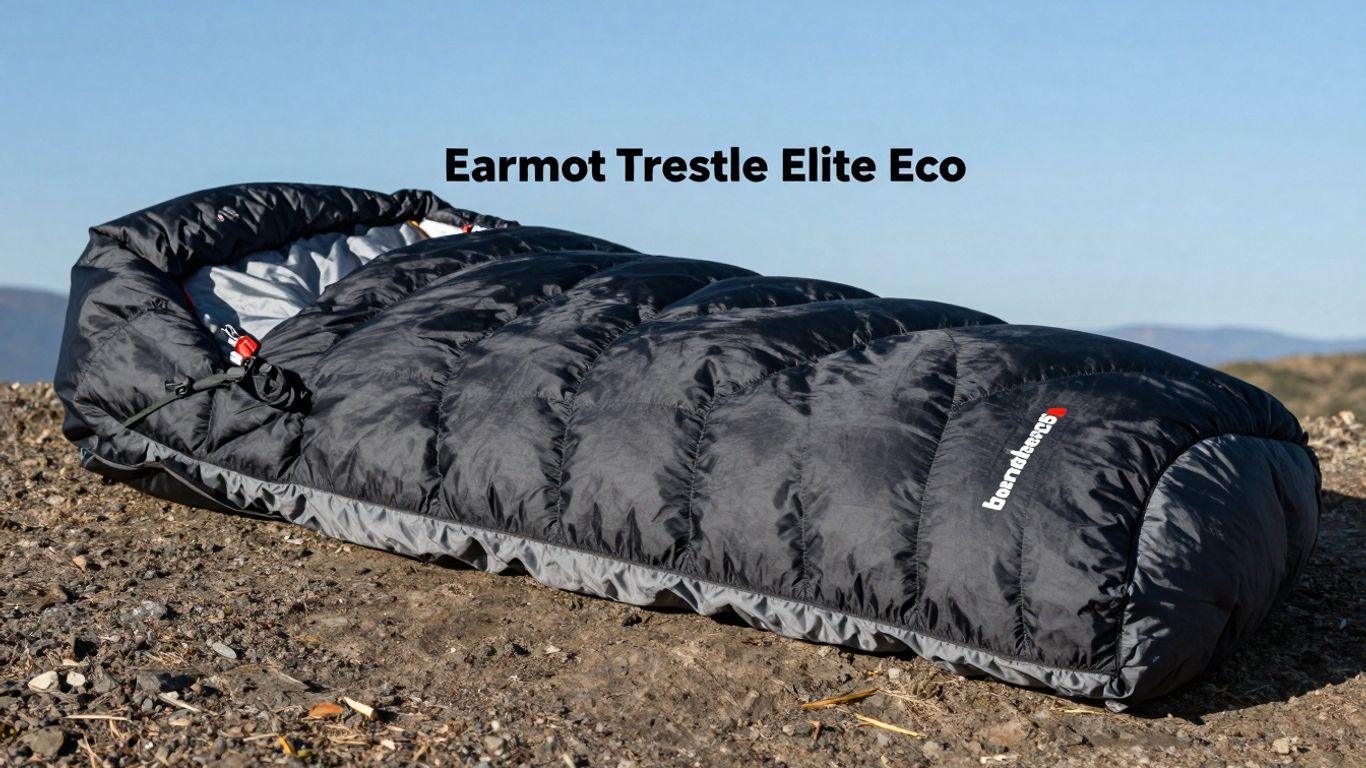
Alright, let’s talk about the Marmot Trestles Elite Eco 20. This bag is a solid contender if you’re looking for something that can handle a bit of moisture without costing a fortune. It uses synthetic insulation, which is great because it still keeps you warm even if it gets damp, and it dries out faster than down. I’ve heard from people who’ve taken this on trips through wetter areas, and they really appreciated that feature.
This is a really good option if you’re on a tighter budget but still want a reliable bag. The synthetic fill also helps keep the price down compared to premium down bags. It’s not the lightest or most compact bag out there, though. If you’re trying to shave every ounce and inch from your pack, you might find it a bit bulky. It does come with a stuff sack, which helps, but don’t expect it to shrink down as small as a down bag.
Here’s a quick look at some specs:
| Feature | Specification |
|---|---|
| Temperature Rating | 20°F |
| Weight | 3 lb. 12.4 oz. |
| Insulation | Synthetic |
| Fill Weight | 25 oz. |
One cool thing Marmot did with this bag is offer an extra-wide size. If you’re someone who moves around a lot in your sleep or just likes a bit more room, this could be a game-changer. Just a heads-up, though: all that extra space means it might take a bit longer to warm up, so on really cold nights, you might want to bring an extra layer or two. It also has some nice little touches like a stash pocket for your phone or headlamp and zippers that don’t snag easily, which is always a plus when you’re fumbling around in the dark.
9. REI Co-op Magma 15
REI’s Magma 15 sleeping bag is a really solid option if you’re looking for serious warmth without completely emptying your wallet. It’s packed with 850-fill down, which is pretty premium stuff, and they’ve managed to keep the price lower than a lot of other bags with similar specs. This bag is a great example of REI’s ability to offer high-quality gear at a competitive price.
One of the standout features is the sheer number of size options. They offer nine different sizes, which is way more than you usually see. This means you can really dial in the fit, whether you’re tall, short, wide, or narrow. They’ve also updated the design to be unisex, which is a nice touch. The bag is rated for 15°F, and users generally find it lives up to that, keeping them toasty even when it’s pretty cold out. It’s definitely a bag that can handle winter conditions, especially when paired with a good sleeping pad.
Here’s a quick look at some specs:
- Temperature Rating: 15°F (Comfort rating around 21°F)
- Fill: 850-fill down
- Fill Weight: 23.3 oz (for a medium size)
- Total Weight: Around 2 lbs 3.6 oz (for a medium size)
- Pros: Great warmth-to-weight ratio, extensive sizing, good value for 850-fill down.
- Cons: Can be a bit bulkier than some ultralight bags, some find the fit a little snug in the legs if they don’t get a wide option.
While it might not have the super-refined feel of some ultra-high-end brands, the Magma 15 is a fantastic choice for most backpackers. It’s warm, comfortable, and comes in a huge range of sizes to fit just about anyone. You can check out more details on the REI Co-op Magma 15 if you’re curious.
10. Exped Terra 15
The Exped Terra 15 is a solid choice if you’re looking for a reliable three-season bag that won’t empty your wallet. It really hits a sweet spot between warmth, weight, and just enough room to be comfortable. I found it to be a big step up from some of the more basic bags out there, proving you don’t need super high-end down to sleep well when it gets chilly.
This bag comes with 28 ounces of 650-fill-power down. I tested it out during some cool fall nights in the mountains, and it kept me toasty even when the temperature dropped into the high 20s. While the down isn’t the absolute fluffiest, there’s plenty of it, and the design helps keep the warmth in. The mummy shape is pretty classic, and the baffles are arranged to avoid cold spots.
Comfort is a big plus here. The footbox has extra room, which is nice, and the overall fit around the hips and shoulders is a bit more generous than some other mummy bags I’ve tried. The hood works well and can even fit a small pillow. The shell and liner material feel good – not too crinkly, but durable enough.
What sets the Terra 15 apart are the little features. You get a cinchable hood, a draft collar that snaps shut, an inside pocket for your phone, and even a glow-in-the-dark zipper pull. It also comes with a compression sack that makes it pack down pretty small, though the sack itself adds a bit of weight. It’s not the lightest bag out there, but for most casual backpackers, the weight is totally manageable.
Overall, the Exped Terra 15 offers great value for a dependable bag. It’s a good option for anyone who wants good performance without spending a fortune on their sleep system. If you’re an ultralight enthusiast, you might look at lighter bags with higher fill power, but for most people, this is a really smart pick. You can find this versatile backpacking sleeping bag at most outdoor retailers.
Wrapping Up Your Search
So, finding the right sleeping bag doesn’t have to break the bank. We looked at a bunch of options, and honestly, there are some solid choices out there that won’t cost you a fortune. Whether you’re leaning towards down or synthetic, remember what’s most important for your trips – usually warmth, weight, and how small it packs down. Don’t get too caught up in all the fancy numbers; think about where you’ll be sleeping and what kind of weather you expect. A good budget bag means you can focus more on the trail and less on worrying about staying warm at night. Happy camping!
Frequently Asked Questions
What makes a sleeping bag good for backpacking?
For backpacking, sleeping bags need to be light and pack down small. This makes them easier to carry on long hikes. They also need to keep you warm without being too heavy.
What’s the difference between down and synthetic sleeping bags?
Down sleeping bags are usually lighter and pack smaller, making them great for serious backpackers. However, they don’t work as well when they get wet. Synthetic bags are often cheaper, handle moisture better, but tend to be heavier and bulkier.
How do I choose the right temperature rating?
Look at the temperature rating on the bag. A 20°F bag is good for colder weather, while a 30°F bag is better for milder nights. Always consider the coldest temperatures you expect to encounter on your trip.
How important is the sleeping bag’s weight?
Weight is super important for backpackers. Every ounce counts when you’re carrying your gear for miles. Lighter bags mean less strain on your body, letting you enjoy your hike more.
How should I store my sleeping bag?
Never store your sleeping bag stuffed in its small sack. This can ruin the fluffy insulation over time. Instead, use the larger storage bag it came with and keep it in a cool, dry place. This helps it stay warm and last longer.
Are expensive sleeping bags always better?
Not always! While high-end bags often use top-quality down and have great warmth-to-weight ratios, there are many budget-friendly options that still keep you warm and comfortable. It’s about finding the best balance for your needs and budget.
Recommended Climbing Products
These products can improve fit, mobility, and comfort during long climbing days.
Affiliate disclosure: As an Amazon Associate, TradClimbers may earn from qualifying purchases at no additional cost to you.
Keep exploring helpful trad climbing, gear, safety, and technique resources.