

Getting into climbing is awesome, but picking out your first pair of shoes can feel a bit much. Seriously, there are so many options! You don’t want to drop a ton of cash on something you might not even use long-term, right? Plus, as you start out, you’re still figuring out what kind of climbing you like best. That’s why we’ve put together this list of the Best Beginner Climbing Shoes for 2026. These picks are great for getting your feet wet without emptying your wallet or overwhelming you with fancy tech you won’t notice yet.
Best Beginner Climbing Shoes Post Key Takeaways
- Beginner climbing shoes are a smart choice when you’re new to the sport, saving money and helping you discover your preferred climbing style.
- Look for comfort and a good fit over aggressive features when choosing your first pair.
- Many beginner-friendly shoes offer a good balance of support and sensitivity, helping you develop better footwork.
- Consider shoes that can handle various types of climbing, like gym sessions or introductory outdoor routes.
- Investing in a solid beginner shoe means you can focus on improving your climbing skills without foot discomfort.
1. La Sportiva Tarantulace
Alright, let’s talk about the La Sportiva Tarantulace. If you’re just getting into climbing, or maybe you’ve been at it a while but don’t want to spend a fortune on shoes, these are a really solid choice. They’ve been around forever, and for good reason.
These shoes are all about comfort and durability, making them perfect for beginners. They have a flat profile, meaning your foot stays pretty relaxed inside, which is a big deal when you’re spending hours at the gym or on a long outdoor climb. No weird pressure points or cramping here, usually. The leather upper will also mold to your foot over time, making them feel even better.
Here’s a quick rundown of what makes them a beginner favorite:
- Comfortable Fit: The flat last and roomy toe box mean your feet won’t feel squeezed.
- Durable Rubber: The 5mm FriXion rubber sole is thick and tough, so it’ll last a long time before you even think about needing new ones.
- Affordable Price: Compared to many other climbing shoes out there, these are a real bargain.
Now, they aren’t going to be the best for super steep, overhanging routes where you need to feel every tiny little edge. They’re a bit stiffer and less sensitive than more specialized shoes. But for learning the ropes, getting your technique down, and just enjoying your time on the wall, they’re fantastic. You’ll see a lot of these at climbing gyms, and that’s a good sign. They’re a reliable workhorse that won’t break the bank.
2. Butora Rubicon
Alright, let’s talk about the Butora Rubicon. Honestly, I was a bit skeptical about shoes labeled for beginners or intermediates, thinking they’d just be cheap, clunky things that don’t help you learn good footwork. But the Rubicon? It actually changed my mind. This shoe feels surprisingly well-made, and it’s designed to help you actually feel the rock under your feet.
What makes it stand out is how it balances support with a bit of sensitivity. It’s got this half-length midsole that gives your forefoot the support it needs while your feet are still getting stronger. Plus, the toe box is semi-pointy, which is nice for getting into small spots, and the upper is made of this comfy, breathable microsuede. The rubber on the sole is 4mm Butora NEO Fuse, which is pretty sticky and helps you stand on smaller holds.
I tried these out on some flatter gym routes, and they felt great – good edging and comfortable. I even pushed them on steeper stuff, and they held up better than I expected for this category. They might even be a bit more shoe than a total beginner needs, but if you’re climbing a bit and want something that will grow with you, these could be a solid choice. They seem like they’ll last a while too, meaning you can probably get them resoled down the line.
One thing to note: the toe area is all rubber and pretty stiff, so it won’t stretch out much. If you plan on doing a lot of smearing or long multi-pitch climbs, you might want to go up about a half size from your street shoes.
- Supportive midsole for developing foot strength.
- Comfortable, breathable upper.
- Sticky NEO Fuse rubber for good grip.
- Durable construction, suitable for resoling.
The Butora Rubicon is a shoe that proves you don’t have to sacrifice quality for a beginner-friendly price point. It offers a great blend of support and feel, helping new climbers build confidence and good habits on the wall.
3. Scarpa Vapor V
The Scarpa Vapor V is a shoe that really tries to do it all, and for the most part, it succeeds. It’s a solid choice if you’re looking to step up your game from beginner shoes but aren’t quite ready for something super aggressive. Think of it as a really good all-rounder.
What’s cool about the Vapor V is how it balances comfort with performance. It’s got a moderate downturn, which means it’s not going to feel like a torture device on your feet, but it still gives you that little bit of power for steeper stuff. The upper is made of a soft microsuede, and the tongue is gusseted with mesh, which helps keep things comfy even on longer climbs. The edging platform is pretty decent, too, especially on those technical, vertical rock faces.
One thing to consider is the fit. The wide toe box is great for comfort, and you can actually play with sizing. If you’re planning on long multi-pitch days or tackling slabs and cracks, a slightly looser fit might be your jam. But if you’re heading out for some hard sport climbing or bouldering, you might want to size down for a snugger feel. It’s a versatile shoe that can adapt to different climbing styles.
However, it’s not perfect for everyone. The rubber on the Vapor V is a bit thinner than some other shoes, meaning it might wear out a little faster. Also, some folks prefer laces for the extra adjustability, especially when dealing with cracks. While it’s good at balancing different climbing needs, it might not be the absolute best for super steep routes or pure bouldering.
This shoe is often recommended as a step up for climbers who want more performance without sacrificing too much comfort. It’s a popular option for a reason, offering a good mix of features for various types of climbing.
If you’re looking for a shoe that can handle a lot of different climbing situations and still feel good on your feet, the Scarpa Vapor V is definitely worth checking out. It’s a great option for anyone wanting a versatile climbing shoe that performs well on many types of rock and routes. You can find more details about the Scarpa Vapor V here.
4. Evolv Defy
The Evolv Defy is a solid choice for folks just getting into climbing, especially if you’re looking to improve your footwork without breaking the bank. It’s not some super aggressive shoe, but it offers a nice balance of comfort and performance that’s pretty rare in this price range.
What’s cool about the Defy is that it has a bit of a downcamber and asymmetry, which helps you put power into your big toe when you’re standing on small holds. Plus, the 3.5mm TRAX SAS rubber on the sole gives you a decent amount of grip. It feels pretty precise for a beginner shoe, which is a big plus when you’re trying to learn where to put your feet.
Here’s a quick rundown:
- Comfortable Fit: It’s designed to be pretty cozy, so you can wear them for longer gym sessions without your feet screaming.
- Good for Footwork: The subtle asymmetry and decent rubber help you get a feel for precise foot placements.
- Decent on Various Terrain: It handles gym climbing and even some easier outdoor routes pretty well.
Now, it’s not perfect. The midsole is a bit stiff, which can make smearing (that technique where you use the side of your shoe on the wall) feel a little clunky. And if you’re really into advanced techniques like aggressive heel or toe hooking, you might find these a bit limiting. But for learning the ropes and building confidence, the Evolv Defy is a really good starting point. It’s one of those shoes that actually helps you get better.
5. La Sportiva Katana Lace
The La Sportiva Katana Lace is a shoe that really does a bit of everything, and it does it well. It’s been around for a while, and for good reason. It strikes a nice balance between being comfortable enough for long days at the gym or even multi-pitch routes, while still offering solid performance when you need it.
This shoe is a fantastic all-rounder for climbers who want one pair that can handle various styles. Whether you’re working on steep sport routes, smearing on slabby granite, or jamming into smaller cracks, the Katana Lace generally feels up to the task. It’s not the most aggressive shoe out there, which is actually a plus for comfort and versatility, especially if you have wider feet or just don’t like that super-cramped feeling.
La Sportiva actually updated this shoe a bit, and now there are two versions: a yellow one and a white one. The main difference seems to be the rubber used and the sole construction. The yellow version is a bit stiffer and uses Vibram XS Edge rubber, which is great for edging. The white version has a split sole and softer rubber, making it more flexible and sensitive. Honestly, either could work depending on what you’re looking for, but the core idea of a comfortable, capable shoe remains.
Here’s a quick look at some specs:
- Rubber: Vibram XS Edge (typically 4mm)
- Profile: Slightly downturned with mild asymmetry
- Closure: Lace-up for a customizable fit
- Best For: All-around climbing, edging, gym, multi-pitch
While it’s not the most specialized shoe for extreme overhangs or tiny micro-edges, its strength lies in its adaptability. It’s a shoe you can trust when you’re not sure what the climb will throw at you.
If you’re looking for a shoe that won’t break the bank but still performs admirably across different climbing disciplines, the Katana Lace is definitely worth checking out. It’s a solid choice for anyone wanting a reliable all-day climbing shoe that doesn’t sacrifice too much performance for comfort.
6. Scarpa Arpia V
Alright, let’s talk about the Scarpa Arpia V. If you’re moving up from those super flat beginner shoes, these might be your next step. They’ve got a bit of a downturn and aren’t perfectly symmetrical, which sounds intense, but it’s not like wearing a torture device. Scarpa used this soft microfiber stuff for the upper, and the rubber on the bottom is Vibram XS Grip 2. This combo is pretty sweet for sticking to those big, weird plastic holds you find in climbing gyms.
These shoes are a nice middle ground between pure beginner comfort and more aggressive performance footwear. They feel pretty good right out of the box, which is always a plus. You can wear them for a while without your feet screaming at you, making them a solid choice for longer gym sessions or even some multi-pitch climbing if that’s your jam.
However, they aren’t perfect for everything. The toe isn’t super pointy, so jamming them into tiny little cracks or pockets isn’t their strong suit. Also, if you’re on the heavier side, the midsole is a bit soft, so you might not get as much support on really long, vertical climbs.
Here’s a quick rundown of what they’re good at:
- Smearing: The Vibram XS Grip 2 rubber does a decent job of sticking to the wall when you need to smear your foot.
- Comfort: They’re known for being comfortable, especially for a shoe with some performance features.
- Indoor Volumes: The rubber and shape work well on the large, rounded holds common in gyms.
While they can handle some edging and toeing into pockets, don’t expect them to be as precise as a super aggressive, super stiff shoe. They’re more of an all-arounder that leans towards comfort and versatility, making them a great option for climbers looking to improve without sacrificing too much comfort.
7. La Sportiva Solution
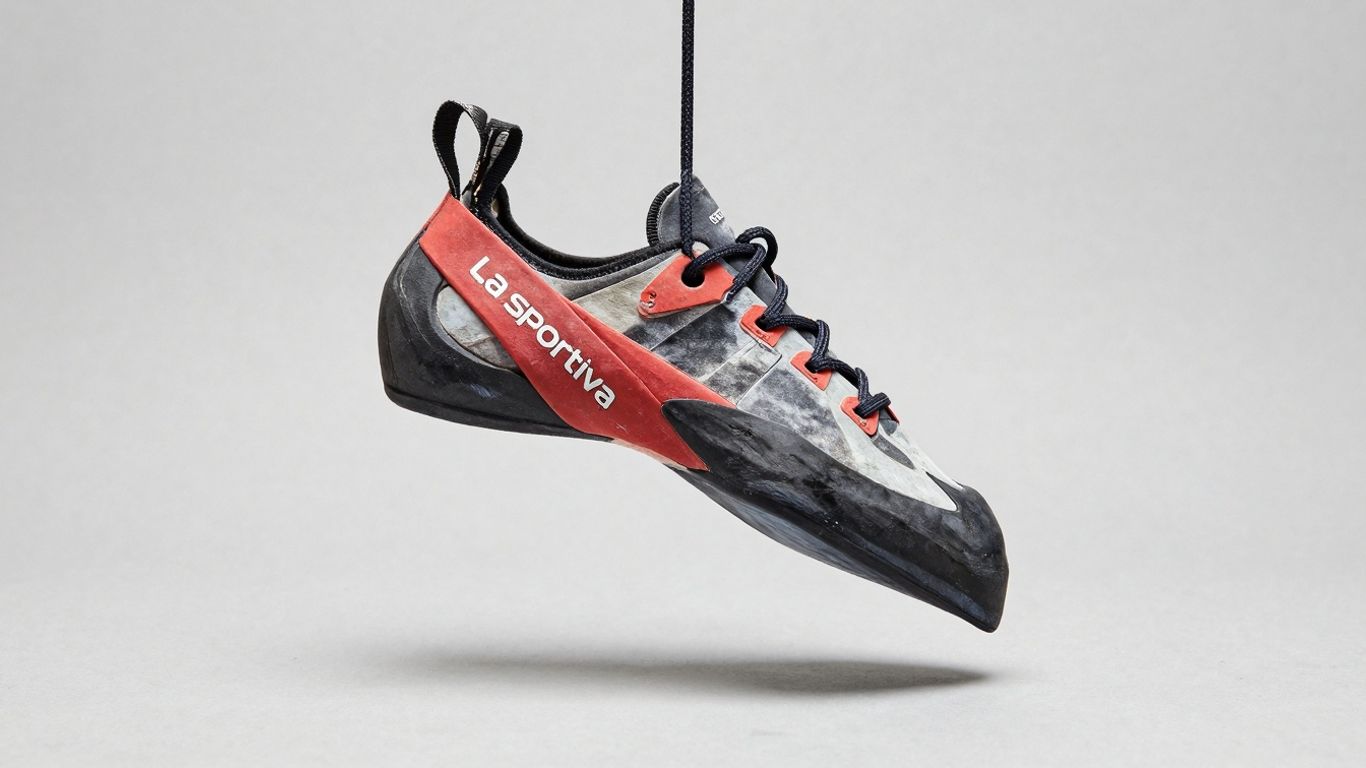
The La Sportiva Solution has been around for a while, and for good reason. It was a pretty groundbreaking shoe when it first came out, really setting a new standard for aggressive sport climbing and bouldering shoes. It’s got this distinctive egg-shaped heel cup and a split sole design that helped a lot of climbers feel more connected to the rock.
This shoe is known for its aggressive downturn, which is great for steep routes and overhangs. It features sticky Vibram XS Grip 2 rubber, which gives you a good grip, and there’s plenty of rubber on the heel and toe for when you need to do heel hooks or toe hooks. The pointy toe is also a big plus, especially on those tiny holds you find on limestone. Plus, like many La Sportiva shoes, it has a P3 platform that helps the shoe keep its aggressive shape over time.
However, the best gym climbing shoes game has gotten super competitive. While the Solution was once top-tier, newer shoes have come out that offer similar performance, sometimes even better. Some people find the heel cup a bit roomy or clunky, which can affect how well it hooks. It’s still a solid choice, especially if you’re already a fan, but if you’re looking for your very first aggressive slipper for bouldering or sport climbing, you might want to check out some of the other options on this list that are a bit more beginner-friendly.
- Pros:
- Aggressive downturn for steep climbing
- Sticky Vibram XS Grip 2 rubber
- Good for heel and toe hooking
- Cons:
- Heel cup can be roomy for some
- Competition has gotten tougher
- May not be the best first aggressive shoe
8. Scarpa Instinct VS
Alright, let’s talk about the Scarpa Instinct VS. This shoe has become a real favorite for a lot of climbers, and for good reason. It’s one of those do-it-all types of shoes that works well whether you’re hitting up a bouldering problem or working on some sport routes. It’s got this nice balance of being sensitive enough to feel the rock but still stiff enough to give you some solid edging power. This makes it a super versatile option for many different climbing situations.
What I really like about the Instinct VS is how it feels on your foot. It’s not overly aggressive, so you can wear it for a decent amount of time without your feet screaming. The rubber around the toe and heel is great for those steep, powerful moves, and the tensioning system really helps keep your foot locked in place. It’s a shoe that feels precise, letting you place your feet exactly where you want them, which is a big deal when you’re on tiny holds. It’s a shoe that really shines on technical vertical terrain and slightly overhanging routes.
If you’re looking for a shoe that can handle a lot of different climbing styles, the Instinct VS is definitely worth checking out. It’s a shoe that many climbers, even some pros, rely on for its all-around performance. It’s a solid choice for anyone wanting a reliable shoe for both bouldering and sport climbing. You can find out more about its capabilities as a versatile option for various climbing styles and footholds on this page.
Here’s a quick rundown of what makes it stand out:
- Sensitivity: You can feel the small features under your feet.
- Edging: Offers good support for standing on small holds.
- Versatility: Works well for bouldering, sport climbing, and even some gym climbing.
- Comfort: While performance-oriented, it’s not overly painful for extended wear.
The Scarpa Instinct VS is a shoe that really bridges the gap between sensitivity and support. It’s designed to give you confidence on small holds while still allowing you to feel the rock. It’s a shoe that many climbers find themselves reaching for again and again because it just works so well in so many different scenarios.
9. La Sportiva Miura VS
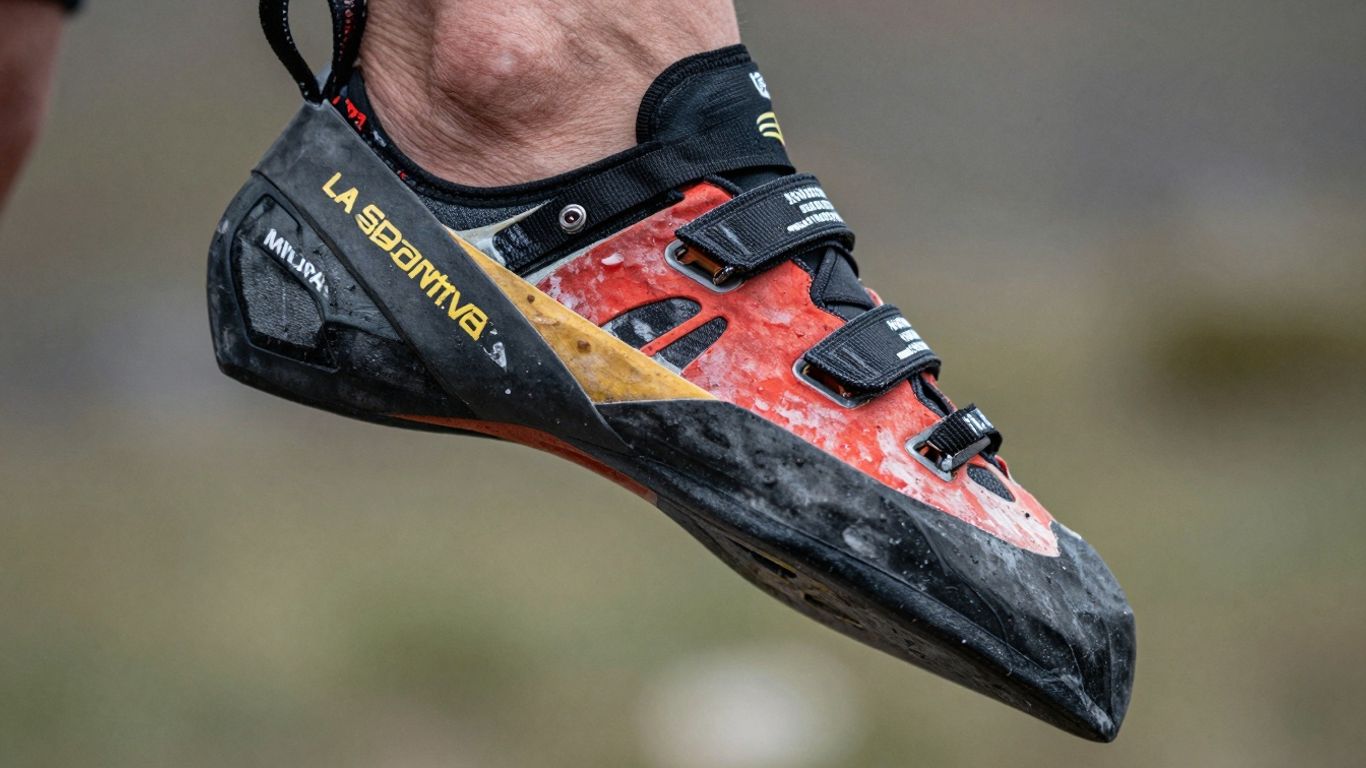
The La Sportiva Miura VS has been a go-to for a lot of climbers for years, and for good reason. It’s a shoe that really shines when you need precision, especially on steeper routes or when you’re dealing with tiny holds. This shoe is built for performance, offering a stiff feel that translates to serious power on small edges.
When they re-released the VS a few years back, they made some smart updates. The heel cup got a bit narrower, and they swapped in a new tongue made from recycled fabric, which is a nice touch. They also moved one of the straps back, which helps with comfort and durability. Honestly, it feels more comfortable now, especially across the top of your foot, even when you crank those straps down tight.
Here’s a quick rundown of what makes it tick:
- Stiff Toe Box: The pointy, stiff toe is fantastic for digging into small footholds. You get a lot of feedback from the rock.
- P3 Midsole: This technology helps keep your foot in a powerful position, which is great for those tricky moves.
- Comfortable Fit: Despite being a performance shoe, the updated design makes it more comfortable for longer sessions than you might expect.
- Versatile Straps: The hook-and-loop straps are secure and allow for a good amount of adjustment.
It’s a shoe that really excels on rock types like limestone and granite, where you’re often looking for those micro-edges. If you’re climbing routes that are a bit overhanging or require you to really stand on your toes, the Miura VS is going to feel right at home. It’s not the softest shoe out there, so if you’re all about smearing on huge, slabby surfaces, you might find it a little less sensitive. But for anything technical and steep, this shoe is a real winner.
10. Five Ten Hiangle
Alright, let’s talk about the Five Ten Hiangle. This shoe is a pretty popular choice, especially if you’re into bouldering or sport climbing. You’ll see a lot of serious climbers wearing these, and for good reason. They’ve got this really sticky rubber on the toe, which is awesome for toe hooking on those steep routes. Plus, they have a noticeable downturn, meaning the shoe curves downwards, which helps keep your foot in a powerful position when you’re on really challenging climbs.
One of the coolest things about the Hiangle is the price. Compared to a lot of other high-performance shoes out there that can cost well over $200, these usually come in around $160. That’s a pretty sweet deal for what you get.
The Hiangle uses a synthetic microfiber upper. While this keeps the shoe fitting snugly for longer, some folks still prefer the feel and moldability of leather. It’s a trade-off, really. If you’re looking for that super-customized fit that only leather can provide, you might want to check out other options.
They come in a few different versions, including lace-ups and Velcro, and even different fits for different foot volumes. The Velcro version is what most people seem to go for because it’s quick to get on and off, and it stays put during those intense heel hooks. The older versions had a bit of a reputation for stretching out and getting loose over time, but the newer models with the synthetic upper seem to hold their shape much better. So, if you’re looking for a shoe that’s great for steep, powerful climbing and won’t completely empty your wallet, the Hiangle is definitely worth a look.
Wrapping Up Your Search
So, you’ve looked through some options for your first pair of climbing shoes. Remember, you don’t need to drop a ton of cash when you’re just starting out. It’s more important to find something comfortable that fits well and helps you get a feel for the wall. As you climb more and figure out what styles you like best, you can always upgrade later. For now, grab a pair that feels good on your feet, and get out there to start sending!
Frequently Asked Questions
Why should beginners pick simpler climbing shoes?
Starting with simpler, less expensive climbing shoes is smart for new climbers. You might not know if you’ll stick with climbing, so it’s better not to spend a lot of money. Also, beginner shoes are forgiving and help you learn good footwork without needing super advanced features that you wouldn’t even notice yet.
How do I know if a climbing shoe fits correctly?
A good climbing shoe should feel snug all around your foot, like a firm hug, but not painfully tight. Your toes should be right at the end of the shoe, maybe with a slight curl, but not crammed. There shouldn’t be much extra space, especially in the heel or around the arch.
What’s the difference between gym climbing shoes and outdoor climbing shoes?
Gym climbing shoes are often designed to be comfortable for longer wear and have durable rubber for rough gym holds. Outdoor shoes can be more specialized. For example, shoes for bouldering might be softer and more aggressive for steep climbs, while shoes for long routes might be stiffer and more supportive.
How often should I replace my climbing shoes?
Climbing shoes don’t need to be replaced often, especially if they are well-made and you take care of them. The rubber on the sole will wear down over time, and you can often get them ‘resoled’ by a professional. For beginner shoes, they might last a year or two depending on how much you climb.
Is it okay to buy climbing shoes online?
Buying climbing shoes online can be tricky because fit is so important. If you know exactly what model and size works for your feet, it can be convenient. However, it’s best to try them on in a store first, especially if you’re a beginner, to make sure they feel right.
What does ‘downturn’ mean on a climbing shoe?
The ‘downturn’ refers to how much the front of the shoe curves downward, away from flat. Shoes with a big downturn are usually more aggressive and better for steep climbs and difficult moves because they help keep your foot in a powerful position. Beginner shoes typically have a flatter profile for comfort.
Recommended Climbing Shoes and Accessories
These products can improve fit, mobility, and comfort during long climbing days.
Affiliate disclosure: As an Amazon Associate, TradClimbers may earn from qualifying purchases at no additional cost to you.
Keep exploring helpful trad climbing, gear, safety, and technique resources.
- A Climber’s Guide to Rock Climbing in Thailand
- A Trad Climber’s Guide to the Isle of Skye Ridge
- Hueco Tanks Rock Climbing: hueco tanks rock climbing Essentials
- A Climber’s Guide to The Nose of El Capitan
- The Top 8 Unforgettable Climbing Routes El Capitan Has to Offer in 2026
- Yoga for Climbers: Boost Strength, Flexibility, and Recovery | yoga for climbers