

Heading out into the wild and want to keep your gadgets juiced up? You’re in luck. Portable solar panels have gotten way better, making it easier to stay connected, even when you’re miles from an outlet. Whether you’re deep in the backcountry or just enjoying a long weekend camping, having a reliable way to charge your phone, GPS, or camera is a game-changer as well as having a legitimate backpack like the Osprey Kestrel 48. We’ve looked at a bunch of options to find the best backpacking solar panels that won’t weigh you down. Let’s see what makes the cut.
Best Backpacking Solar Panels Post Key Takeaways
- For serious backpackers counting every ounce, the FlexSolar E10 Mini is a top pick due to its super light weight.
- If you need a balance of portability and decent power, the Blavor 10W and BigBlue SolarPowa 14 are solid choices, often coming with handy features like pockets for battery banks.
- While battery banks with small solar panels can fit in your pocket, they’re better thought of as power banks, not primary solar chargers.
- The Goal Zero Nomad 5 is another really light and thin option that’s easy to pack and can be strapped to your bag.
- Don’t expect to charge devices much while actively hiking; solar panels work best when set up stationary at camp, angled towards the sun.
1. Bigblue 28W USB Solar Charger
When you’re out in the wild and need to keep your gadgets juiced up, the Bigblue 28W USB Solar Charger is a solid choice. It’s not the fanciest panel out there, but it gets the job done, and it does it pretty well for its size. This charger strikes a good balance between being portable and actually putting out enough power to be useful.
What I liked about this panel is how it handles different light conditions. It’s not just about bright, direct sun; it still manages to pull in some energy even when it’s a bit cloudy. That’s a big deal when you’re backpacking and the weather can change in an instant. It unfolds into four sections, which is pretty standard, and gives you three USB ports to play with – two USB-C and one USB-A. This means you can charge up a couple of devices at once, which is handy if you’ve got a phone and a GPS or a power bank you need to top off.
One neat feature is the little pocket it has. You can stash your cables or a small battery pack in there, keeping everything together. It also has an ammeter, which is a small but useful addition. It shows you how much power the panel is actually generating, so you know if it’s working hard or just loafing.
Here’s a quick look at what it offers:
- Power Output: 28W
- Ports: 1x USB-A, 2x USB-C
- Weight: Around 1.3 pounds (this can vary slightly)
- Foldable: Yes, into four panels
While it doesn’t have built-in kickstand legs to help you angle it perfectly towards the sun, it’s light enough that you can usually prop it up against a rock or your backpack. It’s a small inconvenience for a panel that’s otherwise quite capable and reasonably priced for what you get.
2. Goal Zero Nomad 7 Plus
The Goal Zero Nomad 7 Plus is a pretty neat little solar panel that’s designed to keep your essential gadgets juiced up when you’re out in the wild. It’s not the biggest or the most powerful panel out there, but for its size, it does a decent job. What I really like about this one is the built-in indicator light.
You know how sometimes you think you’ve got the panel perfectly angled, but you’re really not getting much sun? This panel has a little light system that shows you how strong the sun is and how fast your device is actually charging. It uses four LEDs, so if all of them light up, you’re in prime charging territory. If only one is on, well, you might want to find a sunnier spot.
It’s got a built-in USB cord, which is handy because you don’t have to worry about bringing an extra cable just for charging. It puts out about 7 watts, which is enough to charge up phones, GPS devices, or maybe a small power bank. When it’s all folded up, it’s roughly the size of an old Kindle, making it pretty easy to stash in your backpack without taking up too much space. It weighs in at about 13 ounces, so it’s not going to add a ton of weight to your load either.
One of the standout features is its simplicity. You unfold it, point it at the sun, and plug in your device. The indicator takes the guesswork out of positioning, which is a big plus when you’re trying to conserve battery life and don’t have time to fiddle around.
Here’s a quick look at what it offers:
- Power Output: 7 watts via USB
- Weight: Approximately 13 oz (0.37 kg)
- Folded Size: Comparable to an older Kindle e-reader
- Key Feature: Integrated sun strength and charging speed indicator
While it won’t power a laptop or a huge battery bank, the Nomad 7 Plus is a solid choice for keeping your smaller electronics alive on shorter trips or as a backup charging solution.
3. Goal Zero Nomad 5
The Goal Zero Nomad 5 is a pretty straightforward solar panel, designed to be compact and easy to carry. It’s one of those panels that you can just clip onto your backpack and let it do its thing while you hike.
It’s a solid choice if you need a basic way to keep small electronics topped up. Think phones, GPS devices, or maybe a headlamp. It’s not going to power your laptop or a big power station, but for those essential little gadgets, it does the job.
One of the neat things about this panel is its simplicity. You plug your device directly into the USB port, and as long as the sun is cooperating, you’ll get some juice. It’s not the fastest charger out there, but for emergency power or just extending your battery life on a multi-day trip, it’s quite handy. The panel itself is built pretty tough, with a durable fabric casing that can handle being out in the elements. It also has little kickstands, which are surprisingly useful for angling it just right towards the sun. Getting the angle perfect can make a big difference in how much power you actually collect.
While it’s not the most powerful panel on the market, its portability and ease of use make it a good companion for solo hikers or anyone who prioritizes lightweight gear. It’s a reliable backup when you’re off the grid and need to keep your communication devices alive.
Here’s a quick look at what it offers:
- Power Output: Around 5 watts in ideal conditions.
- Port: One USB port for charging devices.
- Weight: Very light, making it easy to carry.
- Durability: Designed to withstand outdoor use.
If you’re looking for a simple, no-fuss solar charger for your basic needs, the Goal Zero Nomad 5 is definitely worth considering. It’s part of the larger Nomad series which offers various sizes for different power requirements.
4. Flexsolar E10 Mini
If you’re all about saving every ounce of weight on your backpacking trips, the Flexsolar E10 Mini might just be your new best friend. This thing is seriously tiny and light, barely bigger than a smartphone when folded up. It’s got a simple, no-frills design that’s pretty rugged, which is great because you don’t have to worry about it getting banged around. It unfolds into four panels, and they even throw in some carabiners so you can clip it right onto your pack while you’re hiking.
This panel is the absolute lightest we tested, making it a top pick for serious ounce-counters. It’s not the most powerful panel out there, mind you. If you’re looking to charge up a big power bank quickly or multiple devices at once, you might want to look elsewhere. But for keeping a small device topped up or trickle-charging a battery pack, it does the job.
Here’s a quick look at what it offers:
- Power Output: 10 Watts
- Weight: 7.3 ounces
- Portability: Folds down to smartphone size
- Durability: Simple, rugged design
- Included: Carabiners for attachment
It’s pretty basic, which is part of its charm for minimalist backpackers. You won’t find extra pockets for your cables or fancy clasps. The USB port is also exposed, so just be mindful of that when you’re out in the elements. But honestly, for sheer lightness and packability, it’s hard to beat.
The Flexsolar E10 Mini really shines when weight is the absolute top priority. Its minimalist approach means fewer things to break and less bulk to carry, which can make a big difference on long treks.
5. Blavor 10W
Alright, let’s talk about the Blavor 10W. This little guy is a solid choice if you’re looking for something that won’t break the bank but still gets the job done. It’s pretty lightweight, which is always a plus when you’re trying to pack light for a trip. When folded up, it’s thin and easy to stash in your backpack. It even has a little velcro pouch to keep your battery bank and cables tidy during transport.
The Blavor 10W offers a really good balance between portability and how much power it can generate for its size, all at a price that’s hard to beat. It’s not going to be as powerful as some of the bigger panels out there, but for a 10-watt panel, it holds its own surprisingly well, even against some 30-watt models. You can charge your devices using either the USB-A or USB-C ports, which is handy.
Here’s a quick look at what it can do:
- Power Output: 10 Watts
- Charging Speed (Direct Sun): Around 1,401 mAh per hour
- Charging Speed (Indirect Sun): Around 295 mAh per hour
- Ports: 1 x USB-A, 1 x USB-C
- Weight: Approximately 12.6 ounces
It comes with carabiner clips, so you can easily attach it to your backpack or hang it up somewhere sunny. While it’s not the absolute lightest option out there – the FlexSolar E10 Mini weighs a bit less – the Blavor 10W is still very portable. For the price and what you get, that slight extra weight is totally understandable.
One thing to note is that the USB ports aren’t really protected from the elements. So, you’ll want to be mindful of where you leave it if the weather looks iffy. It’s a simple, effective panel that’s great for casual use or shorter trips where you don’t need to power a ton of gear.
6. Bigblue Solarpowa 14
The BigBlue Solarpowa 14 is a solid choice if you’re looking for something a bit more compact than some of the larger panels but still want decent charging capability. It’s a 14-watt panel, which means it won’t be the fastest charger out there, but it’s definitely portable and easy to pack. It strikes a good balance between size and power for shorter trips or for charging smaller devices.
This panel is pretty straightforward to use. You just unfold it, point it towards the sun, and plug in your device. It’s not as powerful as its bigger sibling, the SolarPowa 28, but it’s also lighter and usually costs less, making it a great value option. It’s a good pick if you’re not trying to power a whole campsite, but rather just keep your phone or GPS unit topped up. You can find similar portable solar chargers at BigBlue’s official site.
Here’s a quick look at what you can expect:
- Wattage: 14W
- Portability: Folds down for easy packing
- Use Case: Best for charging phones, GPS, or small power banks
- Value: Offers good bang for your buck compared to other panels in its class
While it doesn’t have fancy features like built-in battery banks or multiple high-speed ports, its simplicity is part of its charm. It’s a reliable way to get some juice from the sun when you’re off the grid. Just remember that like all solar panels, its performance really depends on how much direct sunlight it gets. Cloudy days will slow things down considerably.
7. Solio Bolt
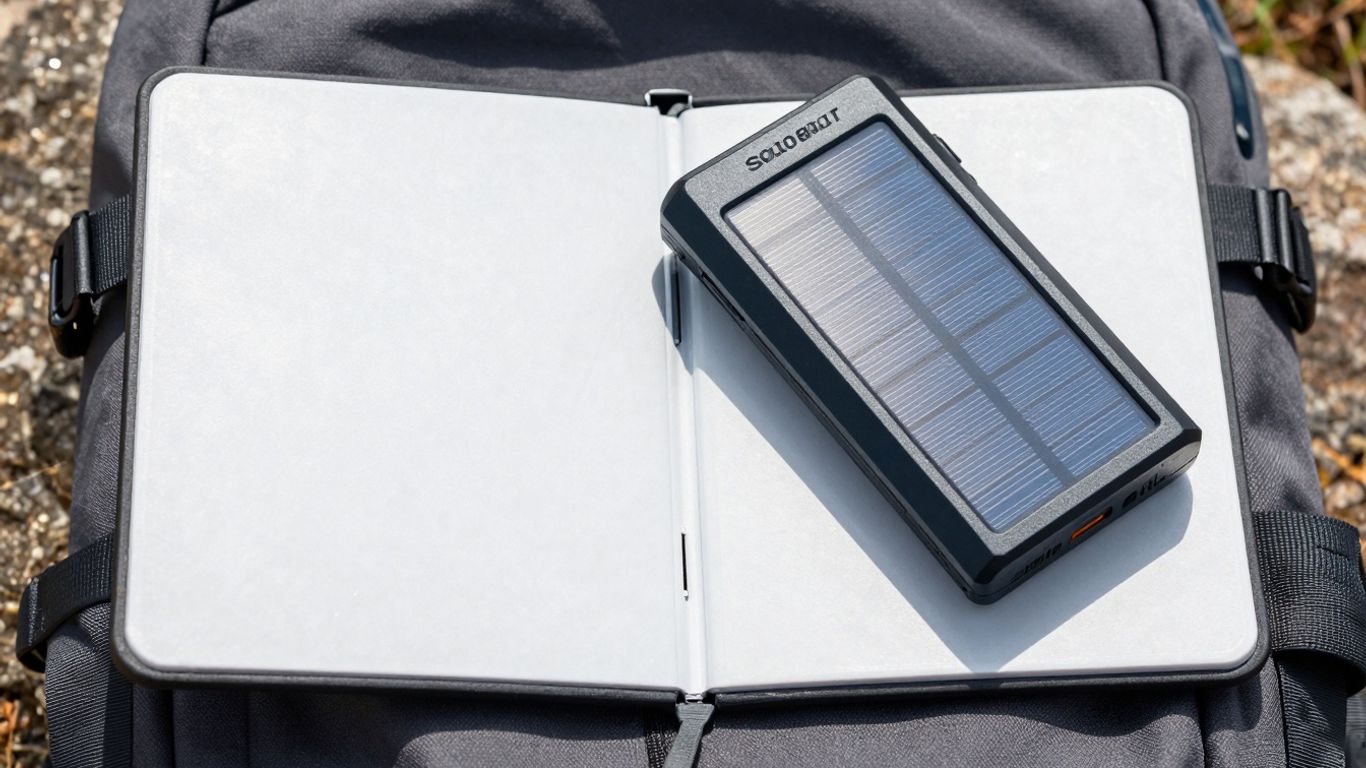
The Solio Bolt is a pretty neat little solar charger, and honestly, it looks kind of like R2-D2, which is a fun bonus. It’s super light and easy to pack, making it a good backup for when you’re out in the sticks. One tester even mentioned how it helped them get enough charge to use a GPS app and find their way out of a tricky situation in the snow.
However, it’s not all sunshine and rainbows. This charger uses polycrystalline cells, which means it really needs direct sunlight to work its best. Even a little bit of shade, like from your backpack straps, can stop it from charging. So, you’ve got to be mindful of where you place it.
Here’s a quick rundown:
- Weight: 5.3 oz
- Price: Around $60
- Cell Type: Polycrystalline
- Portability: Excellent, very compact
It’s a decent option if you need a lightweight emergency charger, but don’t expect it to power up a lot of devices quickly, especially if clouds roll in.
8. ToughTested 16,000mAh Solar Power Bank With Flashlight
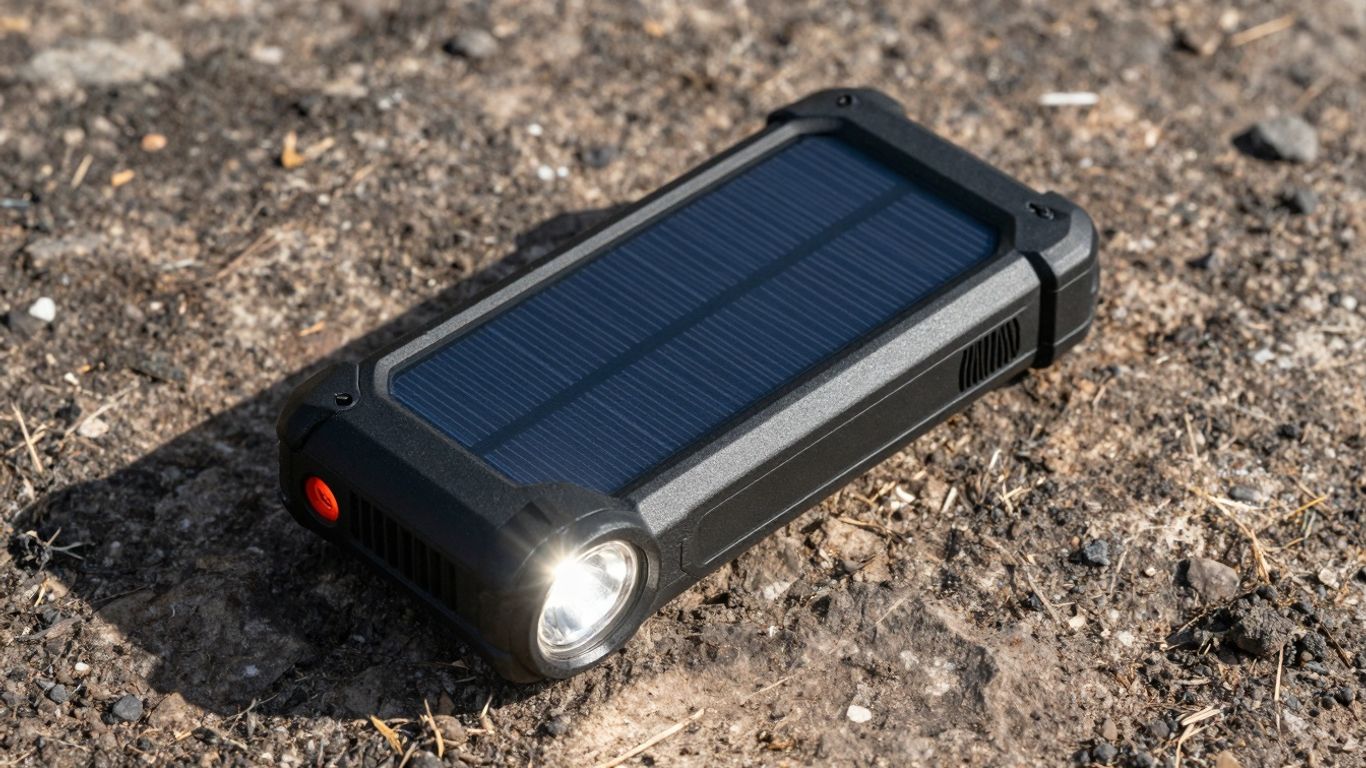
If you’re out in the sticks for a while and need a reliable way to keep your gadgets juiced, the ToughTested 16,000mAh Solar Power Bank With Flashlight is a pretty solid contender. It’s about the size of an older iPhone, but don’t let that fool you – this thing packs a serious punch with its 16,000mAh capacity. That’s enough to charge up a typical smartphone about six times, which is pretty sweet when you’re miles from an outlet.
What I really like about this unit is how tough it is. It’s got this rubberized coating that makes it resistant to dust, shocks, and even water. You can pretty much strap it to the outside of your pack and not worry about it too much. I heard from one tester who said they never had to
9. Solar Panel Accessories
So, you’ve got your solar panel, ready to soak up those rays and keep your gadgets juiced up on the trail. But wait, there’s more! To really get the most out of your portable solar setup, you’ll want to think about a few key accessories. These aren’t just fancy extras; they can actually make a big difference in how well your panel works and how easy it is to use.
First off, think about how you’re going to position your panel. Getting the angle just right is super important for catching the most sunlight. Some panels come with built-in kickstands, which is handy, but others might need a little help. You can use rocks, sticks, or even a small, adjustable tripod if you’re feeling fancy. The goal is to point it directly at the sun, minimizing any shadows.
Then there are the cables and power banks. You’ll need the right USB cables to connect your panel to your devices or a battery pack. A good power bank is a lifesaver because it stores the solar energy, so you can charge your phone or GPS even when the sun goes down or it’s cloudy. Look for power banks that can handle the output of your panel.
Here are some common accessories to consider:
- Mounting Gear: Think carabiners, straps, or even small suction cups to attach your panel to a backpack, tent, or tree. This lets you charge on the move.
- Protective Cases/Sleeves: To keep your panel safe from scratches and bumps when it’s packed away.
- Charge Controllers (for larger systems): While less common for small backpacking panels, these regulate the power flow to prevent overcharging batteries.
- Cleaning Kits: A microfiber cloth can help keep the panel surface clean, which is important for efficiency.
Sometimes, the simplest additions make the biggest impact. Don’t overlook the small stuff that helps your main gear perform better. A well-placed panel, even a smaller one, can outperform a larger one that’s just not angled correctly.
Finally, don’t forget about the devices you’re actually charging. Things like GPS units, headlamps, and satellite communicators often have specific charging needs. Make sure you have the right cables and adapters for all your gear. It’s all about creating a reliable little power station out in the wild.
10. Solar Generators
Okay, so we’ve talked a lot about portable solar panels, the kind you can fold up and shove in your backpack. But what if you need a bit more juice, like enough to run a small fridge at basecamp or keep all your gadgets charged for a longer trip? That’s where solar generators come in.
Think of a solar generator not as a single panel, but as a system. It’s usually a combination of a larger, more powerful solar panel (or panels) and a hefty battery pack, often called a power station. These aren’t typically something you’d strap to your back for a day hike, but they’re fantastic for car camping, RV trips, or any situation where you have a bit more space and weight capacity.
The main idea is to capture solar energy over time and store it in a big battery, so you have reliable power whenever you need it, day or night. It’s a much cleaner and quieter alternative to lugging around a gas generator and a can of fuel.
Here’s a quick rundown of what makes them different:
- Power Output: Solar generators can range from a few hundred watts to over a thousand watts, meaning they can power more demanding devices like laptops, portable refrigerators, and even some small appliances.
- Battery Capacity: The battery is the heart of the system. Measured in watt-hours (Wh), a higher number means more stored energy. You’ll find options from a few hundred Wh up to several thousand Wh.
- Portability: While not as light as a small panel, many are designed with handles and wheels, making them manageable for transport. Some are even designed to fit in a sturdy backpack if you’re willing to carry the weight.
- Charging Options: Besides solar, most also have AC wall outlets and car chargers, so you can top them up before you leave or when you have access to conventional power.
When you’re looking at these, pay attention to the total wattage the generator can output at once and its total stored energy capacity. It’s a bit like choosing between a small water bottle and a big cooler – both hold water, but one holds a lot more and can keep it cold for longer.
Choosing a solar generator means you’re investing in a more robust power solution for extended stays or more power-hungry needs. It’s about having that peace of mind knowing you can keep your essential devices running, even when you’re far from a wall socket. It’s a step up from simple portable panels, offering more versatility for different kinds of outdoor adventures.
Wrapping Up Your Portable Power
So, you’ve looked at some options for keeping your gadgets juiced up when you’re out in the wild. Whether you’re deep in the backcountry or just enjoying a weekend campout, having a reliable way to charge your phone or GPS can make a big difference. Remember, not all panels are created equal, and what works for one trip might not be the best for another. Think about how much power you really need, how much weight you’re willing to carry, and what kind of conditions you’ll be in. With the right solar panel, you can stay connected and powered up, no matter where your adventures take you. Happy trails!
Frequently Asked Questions
How do I get the most power from my solar panel when hiking?
To get the best charge, set up your solar panel where it can get direct sunlight. Try to avoid shadows from trees or your own body. You can hang it from your backpack, but it works even better when you can set it up flat on the ground or prop it up at an angle towards the sun while you’re at camp. Think of it like giving the panel the best seat in the house for sunbathing!
Can I charge my phone while walking with the solar panel on my backpack?
While it looks cool, charging your phone directly from a panel on your backpack while walking usually doesn’t give you much power. You’d have to walk perfectly towards the sun all day, with no clouds or trees blocking the light. It’s much more effective to set the panel up at your campsite where you can angle it perfectly towards the sun.
Are battery banks with built-in solar panels good for charging?
Battery banks with small solar panels are handy for topping off, but they’re not strong enough to be your main solar charger. Think of them more as power banks that have a little solar boost. For real solar power, you need a bigger, separate solar panel.
What’s the difference between a solar panel and a solar generator?
A solar panel is like a portable charger that uses the sun’s rays to make electricity. A solar generator is a combo: it uses a solar panel to charge a battery pack (like a power station), which then stores the energy. This stored energy can power your devices even when the sun isn’t shining.
How durable are these solar panels for outdoor use?
Many of these solar panels are built tough for the outdoors. Some are made to handle rough conditions, like being waterproof or shockproof. Always check the product details for specific durability ratings, but generally, they’re designed to soak up sun, even if the weather isn’t perfect.
What accessories might I need for my solar panel?
You might want things like extra cables to connect your devices, a power bank to store the solar energy for later use, or a stand to prop up the panel. Some panels even come with carabiners to easily attach them to your backpack.
Recommended Approach and Hiking Gear
These products match the equipment and gear topics covered in this article.
Affiliate disclosure: As an Amazon Associate, TradClimbers may earn from qualifying purchases at no additional cost to you.
Keep exploring helpful trad climbing, gear, safety, and technique resources.