

Carrying a lot of gear on your back can be tough. Finding the right pack makes all the difference between a great trip and a miserable one. We’ve checked out a bunch of backpacks to see which ones are the best backpack for heavy loads like the Osprey Xenith 88. This list is for anyone who needs to haul a good amount of stuff without feeling like they’re being crushed.
Key Takeaways
- The Gregory Baltoro 75 is a top pick for carrying heavy loads comfortably, thanks to its strong frame and well-designed hip belt.
- For a balance of comfort and weight, the Osprey Atmos AG LT 65 is a solid choice, though it might benefit from lighter materials.
- The REI Co-op Traverse 60 is noted for its durability and is a good option if you want a pack that lasts.
- When looking for the Best Backpack for Heavy Loads, consider packs like the Gregory Paragon 60/Maven 58 or Osprey Aether, which offer robust features and comfort.
- Fit is super important; always try on a pack with weight to make sure it sits right on your hips and shoulders.
1. Gregory Baltoro 75
Alright, let’s talk about the Gregory Baltoro 75. If you’re the kind of person who packs for a small army or just likes to be prepared for absolutely anything, this pack is a serious contender. It’s built like a tank, and honestly, it feels like it too. Gregory has been making packs for a long time, and the Baltoro line has been around since 2006, which is practically ancient in the gear world. Yet, it still holds its own as a top choice for hauling heavy loads.
The suspension system on this thing is no joke. It uses a combination of an aluminum frame and a fiberglass stay, paired with some really firm, supportive padding. What this means for you is that the weight gets distributed really well, making it feel more manageable, even when you’ve got 50 pounds or more strapped to your back. Our tester even took the larger 85-liter version on a pretty intense trip and loaded it up with a staggering 100 pounds, and it handled it. The 75-liter model is rated for up to 55 pounds, which is still a ton.
Durability is another big win here. The pack is made from tough nylon fabrics, with the bottom being extra rugged. One tester reported that after two weeks of serious abuse – think sharp rocks, ice tools, crampons, you name it – the pack came out without a single tear or hole. That’s pretty impressive.
Organization is also a strong point. It’s got a bunch of pockets everywhere: on the top lid, the front, the sides. You can pretty much keep everything sorted and easy to grab. It even has a U-shaped zipper on the main compartment for easier access, plus side zippers for dedicated pockets.
Here’s a quick rundown of its specs:
- Capacity: 75 Liters
- Weight: 5 lb. 2 oz.
- Max Recommended Load: 55 lb.
- Price: Around $330
Now, it’s not perfect for everyone. This pack is heavy on its own, so if you’re trying to go ultralight, this isn’t it. It can also feel like overkill if you’re just doing weekend trips with lighter loads. And, for the price, it’s a bit of a bummer that it doesn’t come with a rain cover.
If you’re heading out on long trips where you know you’ll be carrying a lot of gear, or if you’re a guide who needs a pack that can take a beating and carry a serious load comfortably, the Baltoro 75 is a fantastic option. Just be aware of its weight and its specific use case.
2. Osprey Atmos AG LT 65
The Osprey Atmos AG LT 65 is a solid choice if you’re looking for a pack that balances comfort and features without being overly complicated. It’s a bit of a middle-ground option, not as stripped-down as some ultralight packs, but also not as loaded with every single bell and whistle as some other larger packs out there. This pack really shines when it comes to carrying heavier loads comfortably, thanks to its Anti-Gravity suspension system. It feels like the weight is distributed really well, making those long miles feel a lot less taxing on your body.
One of the standout features is how the mesh back panel extends onto the hip belt. This design helps keep you cool by allowing air to flow, even when you’re really moving. It’s a small detail, but it makes a big difference on warmer days or during strenuous climbs. The pack also comes with external straps, which are handy for attaching bulky items like sleeping pads or even a tent if you need to free up internal space.
Here’s a quick look at some of its specs:
| Feature | Specification |
|---|---|
| Measured Weight | 4 lb 3 oz |
| Advertised Volume | 65 L |
| Max Recommended Load | 40 lb |
| Access Points | Top, Side |
When it comes to organization, you’ve got a decent setup. There’s a main compartment, a lid pocket, a front mesh pocket for quick access items, side pockets for water bottles, and even smaller pockets on the hip belt for snacks or your phone. It’s not an overwhelming number of pockets, but it’s enough to keep your gear organized without getting lost in a sea of zippers.
This pack strikes a really good balance. It’s not the absolute lightest, and it’s not the most feature-packed, but for carrying a good amount of gear comfortably, it’s hard to beat. It feels like a well-thought-out design for people who want a reliable pack for multi-day trips without fussing over too many tiny adjustments.
3. REI Co-op Traverse 60
Alright, let’s talk about the REI Co-op Traverse 60. This pack is kind of like the reliable friend who shows up for weekend trips without a fuss. It’s definitely geared towards folks who are newer to backpacking or maybe just don’t need to haul the kitchen sink on every outing. It strikes a good balance between features and price, making it accessible for a lot of people.
When you first get your hands on it, you’ll notice it’s not the lightest pack out there, tipping the scales at around 4 pounds 10 ounces. But honestly, for what it offers, that weight feels justified. The padding on the shoulder straps and hipbelt is pretty plush, which is a big win when you’re trying to get comfortable on the trail. Plus, adjusting the fit is straightforward, which is always a relief when you’re trying to dial in that perfect carry.
One of the things I really liked about the Traverse 60 is how easy it is to get to your stuff. That J-shaped zipper on the front? Genius. It opens up the main compartment wide, so you’re not digging around blindly for that one thing you need. It also has a separate spot for your sleeping bag, which is handy, and the top lid can even convert into a small daypack. Pretty neat.
Here’s a quick look at some specs:
| Feature | Specification |
|---|---|
| Advertised Volume | 60 Liters |
| Measured Weight | 4 lbs 10 oz |
| Max Recommended Load | Around 35-40 lbs |
| Material | 210D & 400D Nylon |
Now, it’s not perfect. If you’re planning on carrying loads much over 40 pounds, you might start to feel it. The suspension system is solid for lighter loads, but it can get a bit overwhelmed with heavier weights. Also, in really warm weather, the back panel isn’t the most breathable, so you might find yourself getting a bit sweaty. The fabric is decent, but it doesn’t feel like it’s built for serious abuse.
For the price, though, you get a lot of bang for your buck. The fact that it comes with a rain cover is a nice touch, and the adjustability for the price is pretty impressive. It’s a solid choice if you’re looking for comfort and good organization without breaking the bank.
Overall, the REI Co-op Traverse 60 is a really good option for weekend warriors and newer backpackers. It’s user-friendly, organized, and comfortable enough for moderate loads. Just don’t expect it to handle ultralight demands or super heavy loads with the same grace as some of the pricier packs.
4. Gregory Paragon 60/Maven 58
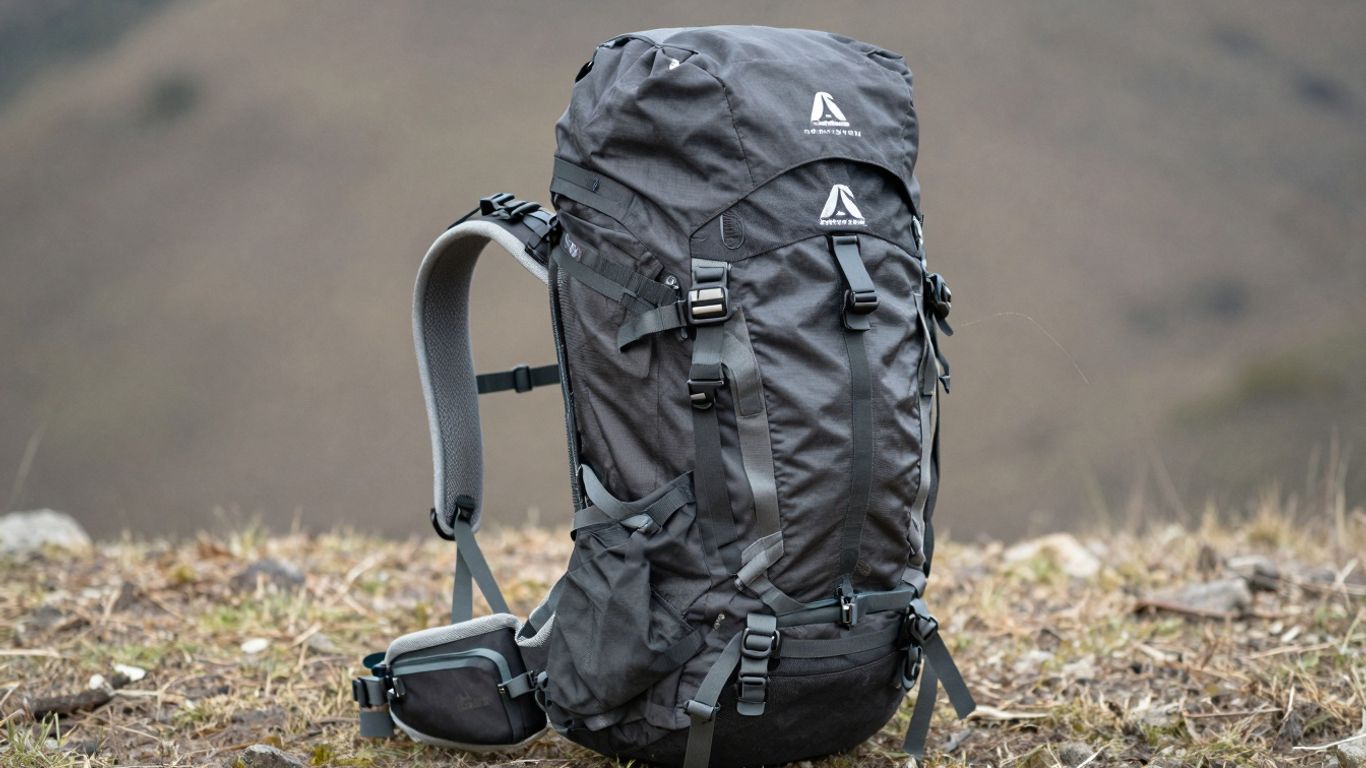
Alright, let’s talk about the Gregory Paragon 60 for guys and the Maven 58 for the ladies. These packs have been getting a lot of love, and honestly, it’s pretty easy to see why. They manage to hit that sweet spot between being super comfortable for carrying heavy loads and not feeling like you’re lugging around a small car. The adjustable torso length and the Air-Cushion mesh back panel are big wins here, keeping things breathable and letting you dial in the fit just right.
When you’re out there for days, comfort is king, and these packs deliver. The suspension system, with its metal frame and pivoting hipbelt, does a solid job of distributing weight, even when you’ve got 40 pounds or more packed in. Plus, the organization is pretty smart. You get a good number of external pockets, a full-length side zip for easy access to the main compartment, and even a separate spot for your sleeping bag. It feels like Gregory thought about what actually makes life easier on the trail.
Here’s a quick rundown of what you get:
- Comfort: Excellent padding and a well-designed suspension system.
- Organization: Plenty of pockets, including a side zip and sleeping bag compartment.
- Adjustability: Easy-to-tweak torso and hipbelt for a custom fit.
- Access: Side zippers and a top lid make grabbing gear simple.
Now, they aren’t perfect, of course. For a pack in this category, it’s a bit of a bummer that it doesn’t come with a rain cover. The fabric, while not flimsy, isn’t exactly bombproof either, so you might want to be a little careful with rough treatment. Also, while most pockets are great, only one water bottle pocket has that easy vertical opening, which can be a minor annoyance. And those hip belt pocket zippers? You can’t close them with one hand, which is a small but noticeable detail when you’re on the move.
Despite a few minor drawbacks like the lack of an included rain cover and slightly less durable fabric than some competitors, the Paragon/Maven series offers a fantastic balance. It’s comfortable, well-organized, and adjustable, making it a strong contender for anyone prioritizing a pleasant carrying experience on longer trips. It’s a great option if you’re looking for a solid all-around pack that won’t break the bank. You can find more details on the Gregory Paragon 60 and its features.
| Feature | Gregory Paragon 60/Maven 58 |
|---|---|
| Weight | ~3 lb. 8 oz. |
| Volume | 60L / 58L |
| Max Recommended Load | 50 lb. |
| Price (approx.) | $260 |
5. Osprey Aether
Alright, let’s talk about the Osprey Aether. This pack is a bit of a tank, and honestly, it’s built for those times when you absolutely have to carry a ton of gear. We’re talking serious loads, like 50 pounds or more. It’s not the lightest pack out there, not by a long shot, but that weight comes with a serious amount of durability and support.
When you’re shouldering a load that would make other packs weep, the Aether really shines. It’s designed to handle that kind of stress, day in and day out. The suspension system is robust, and the materials used are tough, meaning this thing is built to last through some pretty demanding adventures.
Here’s a quick look at what it offers:
- Durability: Made with thick nylon, this pack is tough.
- Load Hauling: It’s specifically designed to carry heavy loads comfortably.
- Organization: Features like a large front pocket, lid pockets, and a sleeping bag compartment help keep things sorted.
- Adjustability: You can tweak the fit quite a bit, even on the go.
Now, it’s important to know this pack isn’t for everyone. If you’re aiming to travel light, this might be overkill. The weight and the price point reflect its heavy-duty nature. It’s really for those who know they’ll be packing out a lot, whether it’s for guiding, expeditions, or just a really long trip with a lot of supplies. For the average weekend warrior, there are lighter, more affordable options that will still do a great job.
So, if your trips involve hauling serious weight and you need a pack that won’t quit, the Osprey Aether is definitely worth a look. Just be prepared for its heft.
6. ULA Circuit
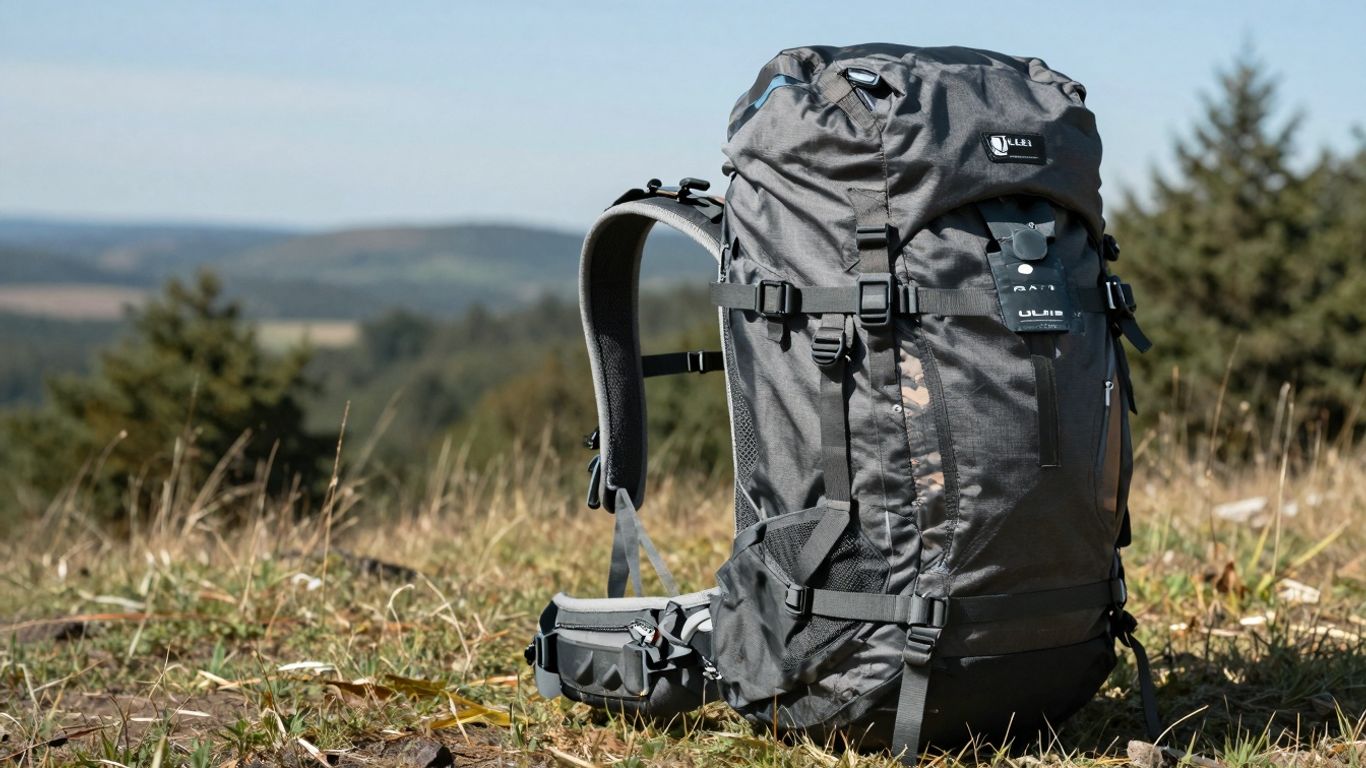
The ULA Circuit is a pack that really hits a sweet spot for a lot of hikers, especially those looking at thru-hiking. It manages to be pretty lightweight without sacrificing too much in terms of durability or carrying capacity. It’s often praised for its excellent balance of weight, comfort, and toughness, making it a go-to for long trails.
When you look at the specs, it’s clear this pack is built for the long haul. It’s got a good amount of volume, usually around 68 liters, and can comfortably handle loads up to about 35 pounds. This makes it suitable for carrying a decent amount of gear for extended trips. The suspension system, which includes a frame sheet and an aluminum stay, does a solid job of distributing weight, which is a big deal when you’re packing heavy.
One of the standout features is the organization. You get big, easy-to-access hip belt pockets – seriously, these are great for snacks and small essentials you need on the go. There’s also a large stretchy mesh pocket on the front, perfect for stashing a rain jacket or wet gear. It’s these little thoughtful touches that make a difference on the trail.
However, it’s not perfect. The back panel isn’t the most breathable, so you might find yourself getting a bit warm on strenuous climbs. Also, while the nylon fabric is tough, it’s not the super-lightweight Dyneema you see on some other high-end ultralight packs, which contributes to its slightly higher price point for its material class. Some users also find the water bottle pockets a bit tricky to reach, especially when the pack is full.
Here’s a quick look at some key specs:
| Feature | Specification |
|---|---|
| Weight | ~2 lb. 7.5 oz. |
| Volume | 68 L |
| Max Recommended Load | 35 lb. |
| Material | 400D Robic nylon |
The ULA Circuit is a pack that really shines for its ability to carry a good amount of gear comfortably while still keeping the weight down. It’s a solid choice for anyone who values smart organization and a reliable suspension system for those longer adventures.
7. Osprey Rook 65L
Alright, let’s talk about the Osprey Rook 65L. This pack is kind of an interesting one because it tries to pack a lot of features into a more budget-friendly package. You get things like an integrated rain cover and a trampoline-style back panel, which are usually found on pricier packs. It’s also pretty tough; the fabric seems like it can handle some abuse, which is always a good sign when you’re hauling gear.
However, it’s not all sunshine and rainbows. The comfort level for really heavy loads isn’t its strong suit. While it’s rated for up to 40 pounds, testers found it most comfortable around the 25-30 pound mark. Some folks even felt the frame digging into their back, and the padding isn’t exactly plush. So, if you’re planning on week-long trips with a ton of gear, this might not be the best fit.
Here’s a quick look at some specs:
| Feature | Osprey Rook 65L |
|---|---|
| Volume | 65 L |
| Comfortable Load | 25-30 lbs |
| Max Load Rating | 40 lbs |
| Weight | ~4 lbs |
| Included Raincover | Yes |
One of the biggest drawbacks is that it only comes in one size, which can make getting a perfect fit a bit tricky for some people. They do have an extended-fit version, which is great for larger body types, but the standard one might not work for everyone.
Still, if you’re looking for a decent pack for shorter trips or lighter loads and don’t want to break the bank, the Rook 65L is definitely worth considering. It’s a solid option for weekend warriors or anyone new to backpacking who wants a reliable pack without the high price tag of some of the more premium models. For those looking for more options in this category, check out other backpacking backpacks.
8. REI Co-op Trailmade 60
Alright, let’s talk about the REI Co-op Trailmade 60. This pack is a solid choice if you’re just starting out with backpacking or if you’re looking for a no-frills, dependable pack that won’t break the bank. It’s got that classic look and feels pretty sturdy, which is always a good sign when you’re planning to haul a decent amount of gear.
It really nails the basics, making it super user-friendly for beginners. You get easy access to your water bottles, and the overall construction feels like it can handle a few bumps and scrapes on the trail. Plus, REI includes helpful instructions right inside the lid on how to load and adjust the pack, which is a nice touch for anyone new to this.
Here’s a quick look at its specs:
| Feature | Specification |
|---|---|
| Advertised Volume | 60 L |
| Measured Weight | 3 lb. 5 oz. |
| Max Weight Rec. | 40 lb. |
| Price (approx.) | $180 |
When it comes to carrying comfort, the Trailmade 60 has decent padding on the shoulder straps and hipbelt. It’s got a reasonably strong internal frame that helps distribute the weight. For shorter trips, like overnights or weekend getaways, the 60-liter capacity is pretty spot on. You’ll find useful pockets, including zippered ones on the hipbelt for snacks or your phone, and a good-sized pocket on the top lid for quick-access items.
However, if you’re planning on week-long treks or you’re a seasoned backpacker who prioritizes super light gear and top-notch ventilation, you might find yourself wanting a bit more. Some testers mentioned that the padding, while present, could feel a little too soft on longer days, leading to some discomfort. The fabric, while durable enough for general use, isn’t the most robust, so you’ll want to be mindful around sharp rocks. Also, the lid is permanently attached, which means you can’t remove it for a more minimalist setup or adjust it to perfectly cover an overstuffed main compartment.
Overall, the REI Co-op Trailmade 60 is a good, honest backpack. It does what it’s supposed to do without a lot of fuss. It’s a great starting point for new backpackers who want a pack that’s easy to figure out and won’t cost a fortune. It might not be the pack for those chasing ultralight goals or needing advanced features, but for its intended audience, it’s a really solid option.
9. Deuter Aircontact Pro 75+10
When you’ve got a serious amount of gear to haul, the Deuter Aircontact Pro 75+10 really steps up. This pack is built for those trips where you need to carry more, whether it’s for extended expeditions or helping out a group. It’s a big pack, plain and simple, and it handles heavy loads like a champ.
The main selling point here is its capacity. The 75-liter base can be expanded by another 10 liters with an adjustable top lid, giving you plenty of room for everything from bear canisters to extra layers. This pack is designed to swallow gear. It weighs in at around 6.4 pounds, which is pretty standard for its size, but that weight feels justified when you consider how much it can hold. I found it easily fit all my camping equipment for a multi-day trip, even with some bulky items.
Here’s a quick look at its specs:
- Advertised Volume: 75L + 10L
- Measured Weight: 6 lbs 6 oz (for the 75+10 model)
- Comfortable Load Capacity: Up to 45 lbs
- Access Points: Top, front, and bottom
Comfort is a big deal with this pack, especially when you’re carrying a lot. Deuter uses thick padding in the lumbar and shoulder areas. This padding does a good job of lifting the pack off your back, allowing for a bit of airflow, though you’ll still get warm under a full load. The internal frame is designed to transfer weight effectively to the hipbelt, which has a pivot system.
This helps the pack move with you, which is super useful on uneven ground. One tester mentioned how comfortable it was on a steep, trail-less hike, making a tough climb feel easier. The materials are also tough; the ripstop nylon body and reinforced boot should hold up well against branches and rough terrain.
While the pack is generally well-designed for heavy loads, some users find certain pockets a bit tricky to access, especially when the pack is fully loaded. The side water bottle pockets can also be a bit of a reach for some.
It comes with a raincover, which is a nice bonus, and the main compartment has a convenient YKK zipper for easy access. If you’re looking for a robust pack that can handle serious weight and volume, the Deuter Aircontact Pro 75+10 is definitely worth considering for your next big adventure. You can find more details on Deuter backpacking packs.
10. Hyperlite Mountain Gear Southwest 55
Alright, let’s talk about the Hyperlite Mountain Gear Southwest 55. This pack is a real standout if you’re into the ultralight scene or planning some serious thru-hiking. It’s built with Dyneema Composite Fabric (DCF), which is pretty much the gold standard for being both super light and incredibly tough, not to mention waterproof. Seriously, this stuff is tough as nails and keeps your gear dry even when the skies open up.
When it comes to carrying stuff, the Southwest 55 punches above its weight. Even though it weighs under two pounds, it can handle a decent amount of weight thanks to its internal frame stays and stiff back panel. I’ve heard stories of people comfortably carrying over 30 pounds in this pack, which is pretty wild for something so minimalist. It’s designed for those long hauls where every ounce counts, and you need your gear to be protected.
Organization is pretty straightforward here, leaning into that ‘less is more’ philosophy. You get these massive zippered pockets on the hipbelt – perfect for stashing snacks, your phone, or a map. The side pockets are also pretty deep now, making it easier to grab your water bottles without taking the pack off. There’s also a stretchy pocket on the front, which is handy for stashing a wet rain jacket or your tent.
Here’s a quick look at some specs:
- Capacity: 55 Liters (also available in 40L and 70L)
- Advertised Load Limit: 40 lbs
- Weight: Around 1 lb 15 oz
- Material: Dyneema Composite Fabric (DCF)
One thing to keep in mind is that this pack isn’t super adjustable. You can’t tweak the torso length, though it does come in different sizes. Also, the padding isn’t exactly plush. If you’re planning on carrying really heavy loads or aren’t great at packing evenly, you might feel it a bit. It’s definitely a pack that rewards careful packing and a minimalist approach to gear. If you’re looking for a pack that’s built to last and keep your gear dry on long adventures, the Hyperlite Mountain Gear Southwest 55 is definitely worth a look.
So, Which Pack Wins for Heavy Loads?
Alright, so we’ve looked at a bunch of packs designed to handle some serious weight. It’s clear that if you’re lugging around a lot of gear, comfort and how the weight transfers are super important. The Gregory Baltoro 75 really stood out for its ability to carry heavy loads without making you feel like you’re being crushed.
It’s built tough and has features that make a difference when you’re miles from anywhere. While it might be a bit much for a casual weekend trip, for those expeditions or longer hauls where every ounce counts and you need your pack to perform, this one is a solid contender. Remember, the best pack is ultimately the one that feels right on your back, so try to get your hands on a few if you can before making the final call.
Frequently Asked Questions
What makes a backpack good for carrying heavy loads?
A backpack designed for heavy loads usually has a strong internal frame to help transfer weight to your hips. It also features sturdy straps and a well-padded hip belt to keep things comfortable, even when you’re carrying a lot of gear.
How much weight can a heavy-duty backpack typically hold?
Many heavy-duty backpacks are made to handle loads of 40 to 60 pounds or even more. However, it’s always best to check the specific weight limit recommended by the manufacturer to avoid damaging the pack or hurting yourself.
Is it better to have a bigger backpack for heavy loads?
Not necessarily. While larger backpacks (like 70-75 liters) can hold more, the key is how well the pack distributes the weight. A well-designed 60-liter pack might carry a heavy load more comfortably than a poorly fitting 75-liter one.
What’s the difference between a regular backpack and one for heavy loads?
Heavy-load backpacks are built tougher with stronger materials and a more robust suspension system (frame, straps, hip belt) to handle more weight. Regular backpacks are often lighter and simpler, meant for lighter loads.
How important is the fit of a heavy-load backpack?
Fit is super important! A pack that doesn’t fit right will cause pain and discomfort, especially with heavy loads. Make sure the torso length is correct and the hip belt sits comfortably on your hip bones.
Can I use a heavy-load backpack for short trips?
You can, but it might be overkill. A large, heavy-duty pack can be bulky and heavy even when empty. For shorter trips with lighter gear, a smaller, lighter pack is usually more practical and comfortable.
Recommended Products for Ice Climbing
These products can improve fit, mobility, and comfort during long climbing days.
Affiliate disclosure: As an Amazon Associate, TradClimbers may earn from qualifying purchases at no additional cost to you.
Keep exploring helpful trad climbing, gear, safety, and technique resources.