

Alright, so you’re heading into the mountains and need some serious hand protection. Finding the best alpine climbing gloves can feel like a puzzle. You want something warm, but not so bulky you can’t tie a knot. Dexterity is key, but so is keeping frostbite at bay. It’s a balancing act, for sure. This guide breaks down some top picks and what to look for, so your hands stay happy on the climb.
Best Alpine Climbing Gloves Post Key Takeaways
- For technical alpine climbing, prioritize gloves that offer a good mix of warmth and dexterity, as manipulating gear is critical.
- Consider a glove system: bring multiple pairs, including light liners, mid-weight gloves, and heavy-duty options or mittens for extreme cold and emergencies. You have to ensure you have the best climbing gear for beginners as well as veterans of this activity.
- Palm durability is important; look for high-quality leather or other robust materials, especially if you’ll be handling rough terrain or gear frequently.
- Insulation levels vary; choose based on activity and expected temperatures, erring on the warmer side if unsure, as cold hands can ruin a climb.
- Leather gloves, even from hardware stores, can be a durable and cost-effective option for rock and mixed climbing, though they may dry slower.
1. Black Diamond Ice Glove
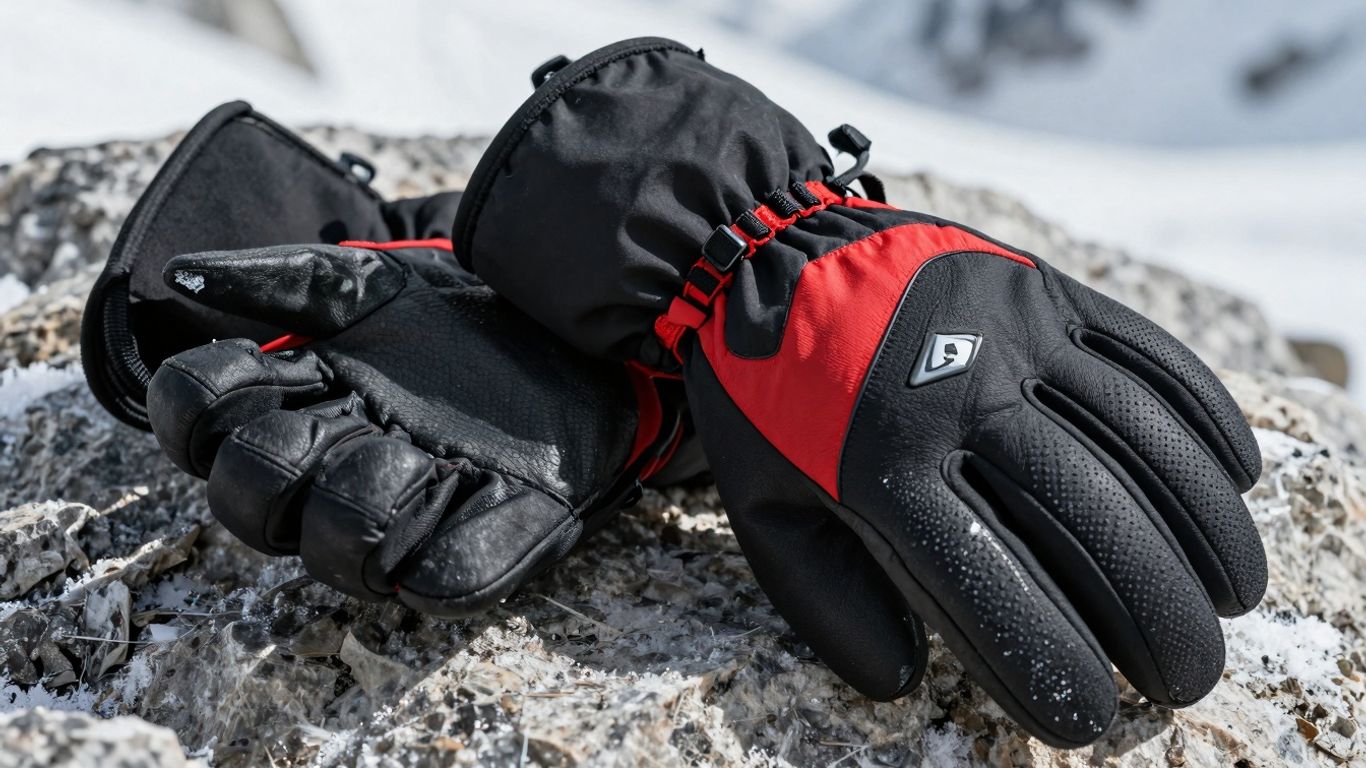
When you’re out ice climbing or tackling some serious mixed routes, dexterity is king. You can’t be fumbling with gear when you’re hanging off a frozen waterfall. That’s where the Black Diamond Ice Glove really shines. It’s designed to give you that crucial finger control without completely sacrificing warmth.
These gloves are a solid choice for those colder days when you still need to feel what you’re doing. They strike a good balance, offering enough insulation to keep the chill at bay but remaining flexible enough for intricate tasks like clipping ice screws or adjusting your axe.
Here’s a quick rundown of what makes them a go-to:
- Dexterity: The pre-curved shape and supple materials mean you can actually use your fingers.
- Warmth: They provide a decent level of insulation for their weight and bulk.
- Durability: Built to handle the abrasion of rock and ice.
While they aren’t expedition-level mitts for extreme cold, they are perfect for a full day of technical climbing where you need to keep your hands functional. Having a pair of these means you can focus on the climb, not on how numb your fingers are getting.
2. Black Diamond Guide Gloves
When you’re looking for a glove that can handle a bit of everything, the black diamond gloves are one of the best black diamond items out there and are a solid contender. They strike a good balance between warmth and dexterity, which is pretty important when you’re out in the mountains. I’ve found them to be pretty reliable for a range of activities, from general mountaineering to some ice climbing.
These gloves are built tough, with reinforcements in key areas like the palm and fingers. This means they can take a beating and should last you a good while, even with heavy use. The insulation is decent, keeping your hands warm without making them feel like oven mitts, so you can still manage to do things like tie knots or adjust gear. They’re a great all-around choice for serious climbers.
Here’s a quick look at what makes them stand out:
- Warmth: Good insulation for cold conditions.
- Durability: Reinforced palms and fingers for extended wear.
- Dexterity: Designed to allow for a reasonable range of motion.
- Water Resistance: Often feature a waterproof/breathable insert.
While they’re not the warmest option for extreme cold or the most dexterous for delicate tasks, the Guide Gloves hit a sweet spot for many alpine pursuits. They’re the kind of glove you can trust when you’re not entirely sure what the day will throw at you. They’re a good example of a well-rounded alpine climbing glove.
If you need something for truly frigid conditions or highly technical ice routes, you might want to look at more specialized options. But for general mountain work, these are definitely worth considering.
3. Patagonia Stretch Element
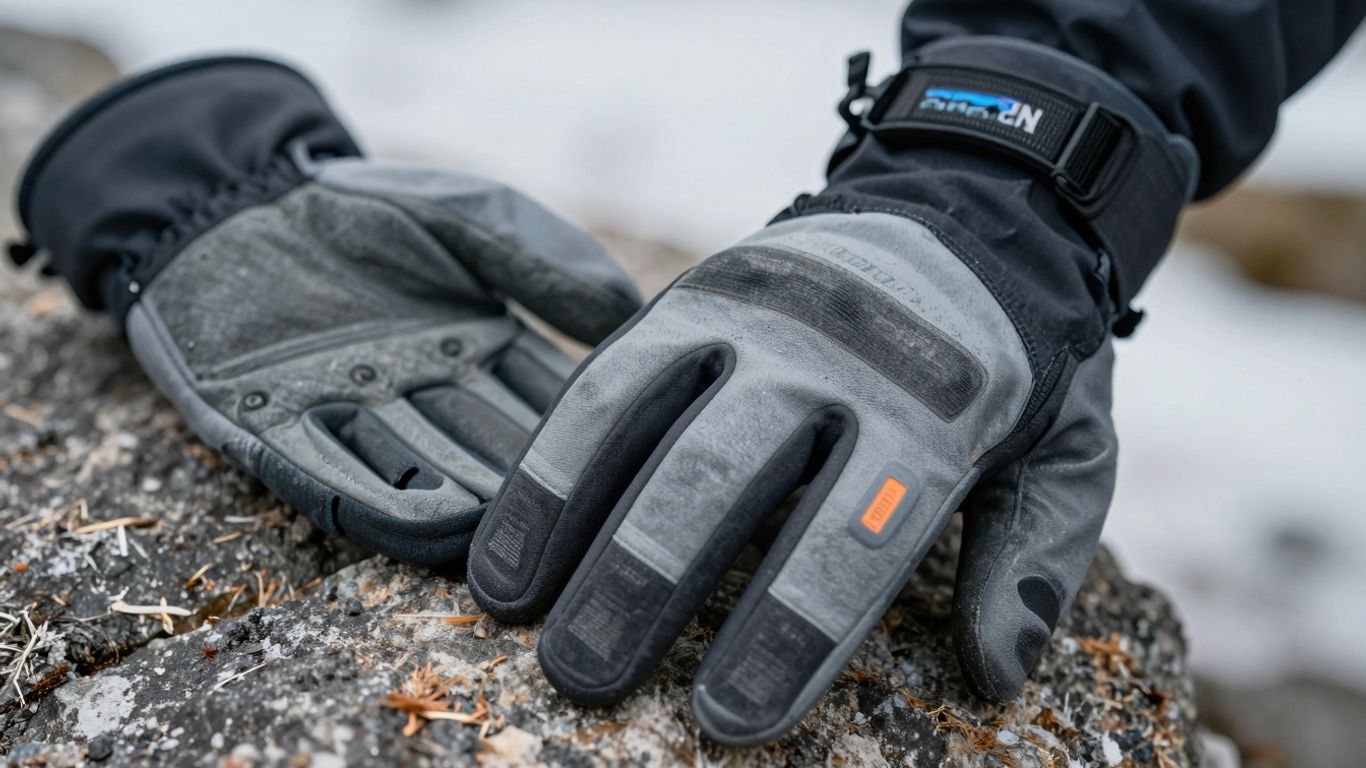
The Patagonia Stretch Element gloves are a solid choice when you need a balance of dexterity and weather protection for less extreme conditions. They’re not your heavy-duty expedition mitts, but for those days where you might encounter some wind and light precipitation while still needing to handle gear, these perform well. The stretch fabric means they fit snugly, which is great for tasks requiring fine motor skills, like setting up a tent or fiddling with a GPS.
These gloves are particularly good for transitional weather. They offer a decent amount of warmth without making your hands sweat buckets, which is a common problem with bulkier gloves. The material feels durable enough for general alpine use, though I wouldn’t want to rely on them for serious ice climbing or extended periods in deep winter.
Here’s a quick look at what they offer:
- Fit: Snug and athletic, allowing for good dexterity.
- Warmth: Moderate, suitable for cool to cold conditions.
- Weather Resistance: Good against wind and light moisture.
- Durability: Decent for general use, but not for extreme abrasion.
If you’re looking for a versatile glove that won’t get in the way when you need to use your hands, the Stretch Element is definitely worth considering. They’re a step up from basic liners but don’t quite reach the insulated level of full-on winter gloves. For activities like shoulder-season mountaineering or high-altitude trekking, they hit a nice sweet spot. You can find similar layering options in their Capilene Midweight Liner Gloves, which are designed for easy layering and moisture-wicking.
While not designed for the harshest conditions, the Patagonia Stretch Element gloves excel in providing a comfortable and functional layer for moderate alpine environments. Their stretchiness is a real plus for maintaining grip and control.
4. OR Super Couloir
When you’re heading out for some serious alpine climbing, especially in really cold conditions, you need gear that can keep up. The OR Super Couloir gloves are built for those demanding situations. They’re designed to offer a good balance between keeping your hands warm and letting you still do the things you need to do, like handle ropes or use your tools.
These gloves are a solid choice for those days when dexterity is important, but the temperature is really dropping. They’re not your everyday gloves; they’re more for when the stakes are high and the weather is unforgiving. They aim to be a heavy-duty option that doesn’t completely sacrifice your ability to grip and manipulate gear.
Here’s a quick look at what makes them stand out:
- Insulation: They pack enough warmth for frigid temperatures.
- Durability: Built to withstand the rough and tumble of alpine environments.
- Dexterity: Designed so you can still perform technical tasks.
Think of these as your go-to for those expeditions where you can’t afford to have your hands give out. They’re a step up in warmth and protection when lighter options just won’t cut it. You’ll find they perform well when you need that extra layer of defense against the cold, without making your hands feel like clumsy blocks.
When selecting gloves like the Super Couloir, it’s always a good idea to consider the specific conditions you’ll be facing. What works for one trip might be overkill or not enough for another. Having a system of gloves, rather than just one pair, is usually the smartest approach for alpine climbing.
5. Black Diamond Mercury Mitts
When the temperature really drops and you need serious hand warmth, the Black Diamond Mercury Mitts are a solid choice. These aren’t your everyday gloves; they’re built for those brutal conditions where keeping your fingers functional is the top priority.
What makes these mitts stand out is their two-part construction. You get a tough outer shell, often made with materials like Pertex Shield for waterproofing, and then a removable inner liner packed with insulation. This inner liner usually has a split for your index finger, which helps a bit with dexterity, though let’s be honest, mitts are never going to be as nimble as gloves. The insulation itself is usually a blend, often featuring PrimaLoft Gold, known for its warmth even when damp, and a soft fleece lining.
- Durability: Expect features like Kevlar stitching, which is seriously tough stuff, and goat leather palms for good grip and wear resistance.
- Warmth: They use substantial insulation, making them ideal for long, cold belays or when you’re stationary in freezing temperatures.
- Removable Liner: This adds versatility, allowing you to dry it separately or even use it on its own in milder conditions.
These mitts are designed to be a fortress for your hands. While they sacrifice some fine motor skills for superior warmth, they excel when the mercury plummets and staying warm is non-negotiable. They feel like a reliable piece of gear you can count on when things get serious out there.
6. Extremities Pinnacle Mitt
When you need serious warmth without feeling like your hands are stuffed into oven mitts, the Extremities Pinnacle Mitt is a solid contender. These guys are designed to be the warmest waterproof mitt in their lineup, and they really pack a punch with PrimaLoft insulation. Even with all that warmth, they manage to stay surprisingly flexible, with a soft back and a leather palm that doesn’t feel stiff.
One of the best things about these mitts is the roominess inside. The lining is pretty open, which means you can easily slip another pair of thinner gloves inside if you’re facing truly brutal conditions. It’s like having a built-in system for extra warmth when you need it most. They also thought of the little things, like a microfleece patch on the thumb – perfect for wiping your goggles or, you know, your nose when it gets cold.
Key Features:
- PrimaLoft insulation for serious warmth
- Waterproof X Dry insert to keep moisture out
- Leather palm and thumb for grip and durability
- Goggle wipe integrated into the thumb
- Roomy interior allows for liner gloves
These mitts are a great option if you’re looking for a reliable, warm, and waterproof choice for cold weather adventures. They strike a good balance between keeping your hands toasty and maintaining a decent level of comfort and usability.
7. Rab Guide 2 Gore-Tex
The Rab Guide 2 Gore-Tex gloves are built for serious mountain work. They’ve got that classic gauntlet style, meaning a longer cuff that really helps keep snow and wind from sneaking in around your wrists. You can tell they’re made to last; the palm and thumb have extra reinforcement, which feels pretty solid when you’re handling ropes or gear. Rab designed these with a pre-curved shape, so your hand can still grip things without feeling too restricted by the insulation and leather.
These gloves use a Gore-Tex insert for waterproofing and PrimaLoft Gold for warmth, especially on the back of the hand. The suede leather on the thumb is a nice touch for wiping your goggles or nose when you need to. They strike a good balance between being warm enough for chilly days and dexterous enough for tasks that require a bit of finger work.
- Key Features: Gore-Tex insert, PrimaLoft Gold insulation, reinforced palm and thumb, gauntlet cuff.
- Durability: Built tough with reinforced areas for frequent use.
- Dexterity: Pre-curved design aids grip and fine motor skills.
While these are great all-rounders, if you’re expecting to be stationary for long periods in extreme cold, you might want to consider a dedicated mitt or a warmer glove to swap into.
8. Salewa Ortles GTX
The Salewa Ortles GTX gloves are a solid choice if you’re looking for serious warmth without sacrificing too much dexterity. They’ve got that classic gauntlet style, which means a longer cuff to keep snow and cold out, a feature I always appreciate when I’m out in the backcountry.
These gloves really shine when it comes to insulation. They use TirolWool, which is a nice alternative to standard synthetics, and a Gore-Tex insert to keep things waterproof. The leather palm feels pretty soft right out of the box, which is great for immediate comfort and a decent amount of dexterity. You won’t be fumbling around too much when you need to adjust gear or tie a knot.
Here’s a quick look at what they offer:
- Waterproof Gore-Tex insert: Keeps your hands dry from external moisture.
- TirolWool insulation: Provides reliable warmth.
- Full leather palm: Offers a good grip and feel.
- One-hand cuff adjustment: Easy to cinch down on the go.
- Fleece-lined interior: Adds an extra layer of comfort.
Now, they aren’t the cheapest option out there, and the softer leather, while comfortable, might not be as tough as some other gloves on the market. If you’re someone who really struggles with cold hands, the price might be justified. However, if you’re on a tighter budget, you might find similar performance in slightly less expensive models.
These gloves strike a good balance between keeping your hands toasty and allowing you to still do things. They feel technical enough for climbing but warm enough for those chilly belay stances.
9. Montane Extreme
The Montane Extreme gloves are a solid choice if you’re looking for something that offers a good amount of warmth without weighing you down. They use Pertex Quantum fabric, which is known for being really light and breathable. Plus, there’s a leather palm for a bit of grip and durability where you need it most. On the back of the hand, you’ll find PrimaLoft Gold insulation, and the inside has a warm pile lining to keep things toasty.
These are definitely geared more towards winter walking than serious climbing. While the Pertex outer is nice and breathable, it might not hold up as well to the rough and tumble of climbing or skiing compared to some other options. The leather on the palm is also on the thinner side, so consistent abuse could be an issue.
However, for their price point, they’re a pretty good deal. They even come with a stuff sack, so you can really pack them down small when you’re not using them.
- Materials: Pertex Quantum outer, goat leather palm, PrimaLoft Gold insulation, DryActiv pile lining.
- Features: Gauntlet style, adjustable hem and wrist cinch, elasticated leash, includes stuff sac.
- Best for: Winter walking, general cold-weather use.
10. Columbia Powder Keg II
Alright, let’s talk about the Columbia Powder Keg II gloves. These are definitely built for some serious cold-weather action, and they’ve got a pretty solid feature set for the price. They aim to keep your hands warm and dry, even when things get a bit dicey out there.
What I like is that they’ve managed to pack in a good amount of warmth without making them feel like oven mitts. You get a decent amount of insulation, and Columbia’s Omni-Heat lining is supposed to help reflect your own body heat back at you. It’s a neat idea, and honestly, it seems to work pretty well. The leather palm feels pretty good too – not too stiff, which means you can still get a decent grip on your tools or poles. Plus, they’ve got that OutDry waterproofing, which is always a plus when you’re dealing with snow and ice.
Here’s a quick rundown of what you’re getting:
- Warmth: Good insulation with Omni-Heat reflective lining.
- Waterproofing: OutDry membrane to keep moisture out.
- Grip: Supple leather palm for better handling.
- Dexterity: Surprisingly good for how warm they are.
These gloves feel like a solid choice for skiing or snowboarding, but they can also pull their weight for winter hillwalking. They strike a nice balance between being protective and still allowing you to move your fingers.
While they might not be the absolute top-tier choice for extreme alpine climbing where you need super-fine dexterity, for general snow sports and colder days in the mountains, the Powder Keg II is a really capable option. They offer a good mix of features without breaking the bank, which is always a win in my book.
11. Helly Hansen Ullr Leather HT
The Helly Hansen Ullr Leather HT gloves are built tough, originally designed for skiing but they hold up well for alpine climbing too. They feel pretty solid right out of the box, with good reinforcement all over, especially on the palm with strong leather. There’s also some compression foam on the knuckles and fingers, which adds to that robust feel.
These gloves offer a snug fit, so you might want to consider sizing up if you prefer a bit more room inside. The insulation comes from 80g of PrimaLoft Gold, which is great because it keeps your hands warm even if things get a little damp. Plus, the inside has a really comfortable microfleece lining.
Here’s a quick look at what they bring to the table:
- Palm: Pittards leather reinforcement for durability and grip.
- Insulation: 80g/m² PrimaLoft Gold, known for warmth even when wet.
- Waterproofing: Helly Tech insert to keep moisture out.
- Protection: Compression foam over knuckles and fingers.
- Comfort: Soft microfleece lining.
While they might feel a bit stiff initially, the leather should soften up with use, giving you a more comfortable, worn-in feel over time. They’re a solid choice when you need reliable warmth and protection in cold conditions.
12. Mammut Nordwand Pro
Mammut has been making gear for a long time, and their Nordwand Pro gloves show it. These aren’t your average hand warmers; they’re built for serious alpine work.
They feel surprisingly light and nimble, which is a big deal when you’re trying to do fiddly things with ropes or gear. The palm is made of soft goat leather, and there’s extra reinforcement on the thumb using Pittards leather, which is known for being tough. This means it should hold up well against the constant rubbing from ice axes or trekking poles.
Inside, you’ve got a bit of PrimaLoft Gold insulation and a fleece lining. I found the warmth level to be pretty good for high-energy activities like ski touring, keeping my hands comfortable when I was moving. However, if you’re going to be stopped for a while, like on a belay ledge in winter, you’ll probably want to have a warmer pair stashed away. It’s a trade-off: more insulation usually means less dexterity, and these gloves really lean towards keeping your hands functional.
Here’s a quick look at what they offer:
- Insulation: PrimaLoft Gold (60g/m²)
- Palm: Goat leather with Pittards reinforcement
- Waterproofing: Gore-Tex insert
- Weight: 148g
These gloves are a solid choice for technical climbing and ski touring where you need a good balance of warmth and dexterity. Just remember to pack a backup for those really cold, stationary moments.
13. Reusch Pamir Hybrid
The Reusch Pamir Hybrid isn’t your typical heavy-duty mountaineering glove. Instead, think of it as your go-to for high-output activities when you’re moving fast in the winter mountains. It’s built with a single layer of windproof Polartec fabric and just a touch of insulation, making it super light and breathable.
This glove is all about keeping you comfortable when you’re working hard, like on a trail run or a fast-paced hike. It’s not designed for standing around in freezing temperatures or for serious winter climbing where you need maximum protection. The trade-off for that lightness and dexterity is less overall protection.
What’s cool is that it has touchscreen compatibility, so you can easily use your phone without taking them off. This makes them a great companion to a warmer, bulkier pair of mittens for when you stop moving, or just perfect for those days when you’re pushing the pace.
- Key Features:
- Windproof Polartec Alpha construction
- Lightweight and breathable
- Touchscreen compatible
- Ideal for high-output activities
While not suited for static winter conditions, the Pamir Hybrid excels when paired with a warmer mitt for rest stops or for activities where constant movement generates heat. It’s a specialized tool for a specific kind of mountain adventure.
14. Crack Gloves
When you’re getting into some serious jamming, you need gloves that can take a beating. That’s where crack gloves come in. These aren’t your typical insulated alpine gloves; they’re designed specifically for the rough and tumble of crack climbing. Think of them as a second skin, but way tougher.
They’re built to protect your hands from the abrasive rock that can shred skin during sustained jamming. The material is usually a durable synthetic or leather, often with a sticky rubber overlay in key areas to give you a bit of grip without compromising the jam itself. It’s a fine balance, really.
Here’s what you generally find in a good pair:
- Durable Construction: Made to withstand constant friction.
- Reinforced Areas: Extra padding or tougher material where the rock hits hardest.
- Secure Fit: They need to stay put, no matter how awkward the position.
- Minimal Bulk: You still need to feel the rock to place your jams effectively.
Some folks find that the velcro closure on certain models, like some Black Diamond crack climbing gloves, can be a bit of a weak point, sometimes coming undone unexpectedly. It’s something to keep an eye on when you’re choosing a pair. You want something that feels solid and reliable when you’re deep in a splitter.
These gloves are a specialized tool. If you’re not planning on doing a lot of crack climbing, they might be overkill. But if you are, they can make a huge difference in comfort and protection, letting you focus on the climb instead of your skin.
15. Alpine 3-Finger Mitts
Alright, let’s talk about the Alpine 3-Finger Mitts. These things are pretty neat for when you need a bit more dexterity than a full mitten but still want that extra warmth. Think of them as a hybrid, really. You get your index finger free for fiddly tasks, like adjusting gear or taking a quick photo, while the other three fingers huddle together for warmth. It’s a smart compromise for those colder days when you’re not constantly needing full finger articulation.
These mitts strike a good balance between warmth and usability. They’re not as warm as a full five-finger mitten, obviously, but they’re a step up from a standard glove. The design is pretty straightforward: a separate compartment for the thumb and index finger, and a larger one for the remaining three. This setup helps retain heat better than individual fingers would.
When you’re out in the mountains, especially during shoulder seasons or on less extreme days, having this kind of handwear can make a difference. You can manage your equipment without freezing your fingertips off. They’re often made with durable materials and some level of insulation, aiming to keep you comfortable without being overly bulky. It’s a practical choice for a lot of alpine activities where you’re moving but still need your hands protected.
Here’s a quick look at what you might expect:
- Warmth: Better than gloves, not as warm as full mittens.
- Dexterity: Improved compared to full mittens, thanks to the separated index finger.
- Use Cases: Good for general alpine travel, moderate cold, and activities requiring occasional fine motor skills.
If you’re looking for something that bridges the gap, these are definitely worth considering. They’re a solid addition to your kit for those days when you need a bit of everything. You can find some great options for alpine gloves that might include this style.
16. Transition Gloves
When you’re out in the mountains, things can change pretty fast. One minute you’re skinning up a sunny slope, and the next, a cold wind kicks in, or you’re heading into the shade. That’s where transition gloves come in handy. They’re not really for the super cold, deep winter stuff, but more for those in-between moments.
Think of them as your go-to for when you need a bit more warmth than a liner glove but don’t want to commit to a full-on heavy glove or mitt. They’re great for hiking, scrambling, or even just belaying when the temperature drops a little. They offer a good balance between dexterity and protection.
What makes them useful is their versatility. You can often wear them on their own for milder conditions, or they work well as a liner inside a more robust shell glove when things get serious. This layering approach is key in the mountains.
Here’s what you might look for:
- Material: Often made from softshell fabrics or a mix of leather and synthetic materials. This gives them some weather resistance without being too bulky.
- Fit: They should be snug enough to allow you to still use your hands for tasks like tying knots or adjusting gear, but not so tight that they cut off circulation.
- Warmth: Generally, they provide light to moderate insulation. They’re not designed for extreme cold.
Transition gloves are the unsung heroes of a well-prepared mountain kit. They bridge the gap between different conditions, allowing you to adapt quickly without being weighed down by overly warm gear.
17. Powerstretch Gloves
When you need a glove that’s snug, flexible, and offers a decent amount of warmth without being bulky, Powerstretch gloves are a solid choice. These aren’t your heavy-duty expedition mitts, but they fill a specific niche really well. Think of them as the go-to for those days where your hands get a bit chilly but you still need to, you know, do things with your fingers.
The real magic of Powerstretch fabric is its four-way stretch and breathability. This means the glove moves with your hand, not against it, which is a big deal when you’re trying to tie knots, adjust gear, or even just eat a snack. Plus, they wick moisture away pretty effectively, keeping your hands from getting clammy, which can lead to cold hands faster than you’d think.
Here’s a quick rundown of what makes them useful:
- Versatility: Great as a standalone glove for milder conditions or as a liner for colder days.
- Dexterity: You can actually feel what you’re doing, which is a huge plus.
- Comfort: They feel like a second skin, soft and not restrictive.
These gloves are often made with Polartec® Power Stretch® Pro™ fabric, which is known for its durability and warmth. They’re lightweight enough to stash in a pocket and pull out when needed. For a good example of what to look for, check out the Polartec® Power Stretch® Pro™ gloves – they really nail the balance of warmth and flexibility.
While they’re not waterproof and won’t keep you warm in extreme cold on their own, they excel in their intended role. They’re perfect for approaches, less severe alpine days, or as a crucial part of a layering system. Don’t underestimate the power of a good liner glove; it can make a huge difference in overall comfort.
18. Fleece Gloves
Fleece gloves used to be the go-to for pretty much everything in the outdoors. They were a big deal when they first came out, offering a step up from basic cotton or wool. Now, though, materials have gotten way better. Think about it: fleece can get pretty bulky, doesn’t block the wind much, and tends to soak up water like a sponge. Plus, it pills like crazy.
Still, fleece gloves aren’t totally useless. They can still work as a layer or for less demanding situations. For instance, a mid-weight fleece glove might be okay for moving around camp on a milder day or when you’re not expecting your hands to get too wet. They’re also good as a liner inside a heavier glove or mitt when it’s really cold.
Here’s a quick rundown of where they might fit in:
- Camp Chores: Good for tasks like setting up a tent or cooking when it’s not freezing.
- Liner Gloves: Can add a bit of warmth under your main climbing gloves.
- Backup Pair: Useful to have stashed away in case your primary gloves get soaked.
However, for serious alpine climbing, relying solely on fleece gloves is usually not the best idea. Modern synthetic materials like Polartec or PrimaLoft offer much better warmth-to-weight ratios, are more water-resistant, and pack down smaller. If you’re still rocking fleece, it might be time to check out some of the newer options out there. You’ll likely find they perform better and keep you warmer, especially when conditions get tough.
19. Softshell Gloves
Softshell gloves are a bit of a middle ground, offering a nice balance between dexterity and protection. They’re usually made from materials that are wind-resistant and somewhat water-repellent, but they still let your hands breathe. This makes them a solid choice for a lot of alpine activities where you’re moving a good bit and don’t need full-on waterproof armor.
They’re great for those cooler, drier days when you need to be able to manipulate gear without taking your gloves off constantly. Think of them as your go-to for general climbing, hiking, or even just around camp when it’s not dumping snow. They’re not going to keep your hands dry in a downpour, but for most conditions, they do a pretty good job.
Here’s a quick rundown of what makes them tick:
- Breathability: This is a big one. Softshells let sweat vapor escape, which is super important for keeping your hands comfortable and preventing that clammy feeling.
- Flexibility: They tend to be more form-fitting than bulkier insulated gloves, giving you better feel and control.
- Wind Resistance: Most softshells block a good amount of wind, which makes a huge difference in how warm your hands feel.
- Water Resistance: They can handle light rain or snow, but if you’re expecting serious wet weather, you’ll want something more robust.
When you’re looking at softshell gloves, pay attention to the specific material. Some use Schoeller fabric, which is known for its durability and weather resistance. Others might have a fleece lining for a bit of extra warmth. For general use, a pair like the Mountain Hardwear Windshear could be a good starting point, offering that blend of protection and dexterity.
Softshell gloves are best suited for active pursuits in cool, dry, or mildly wet conditions. They excel when dexterity is a priority, but they aren’t the best choice for prolonged exposure to heavy precipitation or extreme cold.
20. Leather Gloves
When you think about tough, reliable gear, leather often comes to mind. For gloves, this is definitely true. Leather has been a go-to material for ages because it’s naturally tough and can handle a lot of abuse.
These gloves are known for their durability and grip. They tend to mold to your hands over time, offering a more personalized fit. While they might not be the warmest option straight out of the box, many leather gloves are designed to be layered with liners for extra warmth when you need it. They’re a solid choice if you’re looking for something that will last and provide a good feel for the rock or ice you’re holding onto.
Here’s a quick look at what makes leather a good pick:
- Durability: Leather holds up well against abrasion and general wear and tear.
- Grip: The natural texture of leather often provides a better grip, especially when dry.
- Feel: They can offer a good sense of touch, which is important for delicate climbing moves.
- Longevity: With proper care, a good pair of leather gloves can last for many seasons.
While synthetic materials have made huge strides, there’s still something to be said for the classic performance of leather. It’s a material that just works, offering a blend of protection and tactile feedback that climbers appreciate. Just remember that they might need a bit more care than their synthetic counterparts to keep them in top shape.
Think of them as a dependable workhorse. They might not have all the fancy tech of some newer gloves, but they get the job done and keep doing it. For many climbers, that’s exactly what they’re looking for.
21. Expedition Mitts
When you’re heading out on serious alpine missions, especially those that might involve overnight stays in brutal conditions or unexpected bivy situations, expedition mitts are your best friend. These aren’t your everyday ski mitts; they’re built for survival.
These are the ultimate in hand warmth, designed to keep your fingers functional even when the temperature plummets. They offer maximum insulation and protection against the elements. Think of them as a mobile, insulated shelter for your hands.
What makes them stand out?
- Superior Insulation: They pack in the most insulation, often using high-loft down or synthetic fills like PrimaLoft Gold, to trap as much heat as possible.
- Generous Volume: The extra space inside isn’t just for comfort; it allows for air circulation, which actually helps keep your hands warmer, and provides room for liner gloves if needed.
- Robust Construction: Expedition mitts are built tough. They need to withstand abrasion from ice tools, rock, and rope, often featuring reinforced palms and durable outer shells.
While dexterity takes a hit with mitts compared to gloves, the trade-off is well worth it when extreme cold is a factor. You might not be able to fiddle with tiny gear releases, but you’ll be able to keep moving and stay safe. They’re often used for belaying in the coldest conditions or for emergency situations where preserving hand warmth is paramount.
Expedition mitts are a critical piece of safety gear for high-altitude and extreme cold environments. They are not designed for fine motor tasks but for pure, unadulterated warmth and protection when conditions are at their worst.
22. Light Liners
When you’re layering up for a chilly day in the mountains, don’t forget about your hands. Light liners are the unsung heroes of hand warmth, acting as that first thin layer against your skin. They might seem simple, but they make a big difference in keeping your fingers from freezing.
These aren’t your everyday gloves; they’re specifically designed to work with other gloves or mitts. Think of them as a base layer for your hands. They wick away moisture, which is super important because damp hands get cold fast. Plus, they add a bit of extra insulation without making your main gloves feel bulky. The best liner gloves are snug but not tight, allowing for good dexterity.
Here’s why they’re worth considering:
- Moisture Management: They pull sweat away from your skin, keeping your hands drier.
- Added Warmth: Even a thin layer can significantly boost the warmth of your outer gloves.
- Comfort: Many are made from soft, comfortable materials that feel good against the skin.
- Versatility: You can wear them on their own for milder conditions or as part of a system.
Some liner gloves are even touchscreen compatible, which is handy if you need to check your phone or GPS without taking off your main gloves. You can find a good selection of these liners designed for various conditions to suit your needs.
While they won’t keep you warm on their own in serious cold, their role in a multi-glove system is undeniable. They help regulate temperature and manage sweat, preventing that clammy feeling that leads to cold hands. Don’t underestimate the power of a good liner.
23. Mid-Weight Gloves
When you’re out in the mountains during colder weather, especially if you’re doing some heavy snow work or climbing during the day, a mid-weight glove is your go-to. These aren’t your super-heavy expedition mitts, but they offer a good balance of warmth and dexterity. Think of them as the workhorses for a lot of alpine tasks.
These gloves usually feature some level of insulation and often have a waterproof or water-resistant shell. This combination helps keep your hands warm and dry when you’re dealing with snow, ice, or just chilly winds. They’re versatile enough for a range of activities, from setting up camp to shoveling snow, and even for some technical climbing where you still need to feel your tools.
Here’s what you might look for in a mid-weight glove:
- Insulation Level: Enough to keep you comfortable, but not so much that you overheat during activity.
- Water Resistance: Crucial for snowy or wet conditions.
- Durability: They need to hold up to abrasion from rock, ice, and tools.
- Dexterity: You should still be able to perform tasks like tying knots or using your phone.
Models like the Black Diamond Guide Gloves or the OR Super Couloir often fit this category, providing that needed protection without being overly bulky. They’re a solid step up from a light liner glove but don’t quite reach the extreme warmth of expedition mitts. Having a pair of these is pretty standard for most winter alpine trips.
Mid-weight gloves are the backbone of your handwear system for many alpine adventures. They bridge the gap between light liners and heavy expedition gear, offering a practical solution for a wide array of conditions encountered during a typical climbing day.
24. Heavy Gloves
When the temperatures really drop and you’re facing serious alpine conditions, you need gloves that can handle the extreme cold. These aren’t your everyday ski gloves; they’re built for the harshest environments where frostbite is a real concern. Heavy gloves are designed for maximum warmth and protection, often featuring thick insulation and robust outer materials.
Think of these as your last line of defense against the biting cold. They might sacrifice a bit of dexterity for that extra warmth, but when you’re on a long winter climb or expedition, that trade-off is usually worth it. The insulation is key here, often using down or high-loft synthetic fills to trap as much heat as possible.
Here’s what to look for in a heavy glove:
- Insulation Type: Down offers the best warmth-to-weight ratio but loses its effectiveness when wet. Synthetic insulation, like Primaloft or Thinsulate, performs better in damp conditions.
- Outer Shell: Look for durable, waterproof, and windproof materials like Gore-Tex or similar membranes to keep moisture out and warmth in.
- Lining: A soft, comfortable lining can add to the overall warmth and feel.
- Fit and Features: While dexterity is reduced, ensure you can still perform basic tasks. Features like wrist cinches, nose wipes, and reinforced palms are beneficial.
These gloves are your best bet for prolonged exposure to extreme cold. They are not meant for fine motor tasks but for keeping your hands functional and safe when the mercury plummets. Always consider the specific conditions you’ll be climbing in when choosing a heavy glove.
While they might feel bulky, the peace of mind and protection they offer in truly frigid conditions are unmatched. They are an investment in your safety and comfort when pushing limits in the alpine winter.
25. Mittens and more
Alright, so we’ve talked a lot about gloves, but what about mittens? And what else is out there? Sometimes, especially when it’s seriously cold, mittens are your best friend. They keep your fingers together, which means they can share warmth. Think of it like a group hug for your digits.
Mittens are generally warmer than gloves, but you lose a bit of dexterity. That’s the trade-off. For those days when your fingers feel like they might actually snap off, a good pair of insulated mittens is a lifesaver. They’re not ideal for fiddly tasks like tying knots or adjusting gear, but for pure warmth on a belay or during a long, exposed traverse, they can’t be beat.
Beyond just mittens, there’s a whole world of glove systems. You might have a light liner glove for around camp, a mid-weight glove for general climbing, and then those super-warm expedition mitts for when things get truly brutal. Having a few different options means you can adapt to changing conditions. It’s like having a toolkit for your hands.
Here’s a quick rundown of how you might layer:
- Light Liners: Think thin fleece or synthetic. Good for camp chores or when you just need a bit of protection without bulk.
- Mid-Weight Gloves: Your everyday workhorses. These should offer a balance of warmth, dexterity, and some water resistance.
- Heavy Gloves/Mitts: For the really cold stuff. These are all about maximum insulation, even if it means sacrificing some fine motor skills.
- Expedition Mitts: The ultimate warmth. These are your emergency bivy gear or your go-to for the absolute coldest conditions imaginable.
Don’t forget about redundancy. Bringing a spare pair of your most-used gloves or mittens is always a smart move. Gear fails, gloves get wet, and sometimes they just disappear into the ether. Having a backup can save your trip, and your fingers.
When you’re out in the mountains, especially in winter, your hands are constantly exposed. It’s not just about staying comfortable; it’s about maintaining function. Numb fingers can’t tie knots, operate a stove, or even hold an ice axe securely. That’s why having the right handwear, and often multiple options, is so important. It’s a critical part of staying safe and enjoying your time out there.
Wrapping Up Your Glove Game
So, picking the right gloves for alpine climbing isn’t just about grabbing any old pair. It’s about thinking through what you’ll actually be doing up there. Whether you need something super nimble for tricky moves or a pair that feels like a warm hug for your hands when you’re just hanging out, there’s a glove out there for it. Don’t be afraid to have a few different pairs in your pack; sometimes, having a backup that’s a little warmer or a little less bulky can make all the difference. Your hands are pretty important, after all, so giving them the protection they need means you can focus on the climb, not on how cold or sore your fingers are.
Frequently Asked Questions
What makes a good alpine climbing glove?
A good alpine climbing glove is warm but not too bulky, so you can still move your fingers well. It needs to keep your hands dry, grip well even when wet, and be tough enough to handle rough stuff like rocks and ice tools. Think of it like needing a good balance between keeping warm and being able to do important tasks with your hands.
Why do I need different types of gloves for climbing?
Mountains can be unpredictable! You might need thin gloves for tricky climbing moves where you need to feel what you’re doing, warmer gloves for when you’re waiting around or it’s super cold, and even really warm mittens for emergencies or just staying cozy at camp. Having a few different pairs means you’re ready for whatever the weather throws at you.
What’s the difference between gloves and mittens for climbing?
Mittens keep your fingers together, which helps them stay warmer because they share heat. Gloves separate your fingers, giving you more control and making it easier to do things like tie knots or use gear. For super cold conditions, mittens are often warmer, but for technical climbing, gloves are usually a better choice.
How important is waterproofing in alpine gloves?
Super important! If your gloves get wet from snow or rain, they lose their warmth quickly and can lead to frostbite. Waterproof materials keep the moisture out, helping your hands stay warm and dry even when the conditions are messy.
Can I just use any warm gloves for climbing?
While any warm gloves are better than none, specialized alpine climbing gloves are designed with specific needs in mind. They offer a better grip, more flexibility for climbing movements, and tougher materials to withstand the harsh mountain environment. Regular winter gloves might be too bulky or not durable enough.
How do I choose the right size glove?
It’s best to try gloves on if you can. They shouldn’t be too tight, as this can cut off blood flow and make your hands colder. But they also shouldn’t be so loose that they’re baggy and hard to move in. You want a snug fit that allows for some movement and maybe a thin liner glove underneath if needed.
Recommended Mountaineering Equipment
These products can support climbing and mountaineering in snow, ice, and cold conditions.
Affiliate disclosure: As an Amazon Associate, TradClimbers may earn from qualifying purchases at no additional cost to you.
Keep exploring helpful trad climbing, gear, safety, and technique resources.
- A Climber’s Guide to Rock Climbing in Thailand
- A Trad Climber’s Guide to the Isle of Skye Ridge
- Hueco Tanks Rock Climbing: hueco tanks rock climbing Essentials
- A Climber’s Guide to The Nose of El Capitan
- The Top 8 Unforgettable Climbing Routes El Capitan Has to Offer in 2026
- Yoga for Climbers: Boost Strength, Flexibility, and Recovery | yoga for climbers