

Looking for the best 4 season tents? Planning a trip where the weather might get a bit wild? You’re going to need a tent that can handle it. We’re talking about the best 4-season tents, the kind of insulated tents that stand up to serious wind, snow, and whatever else Mother Nature decides to throw your way.
These aren’t your average car camping shelters; they’re built tough for mountaineering, ski touring, or just really adventurous trips. We’ve put a bunch of them through the wringer, from windy peaks to snowy valleys, to find the ones that really do the job.
Best 4 Season Tents Post Key Takeaways
- Four-season tents are built to handle tough conditions like heavy snow and strong winds, making them ideal for winter camping and mountaineering.
- While durable, these tents can be heavier and less ventilated than three-season models, so they might be overkill for fair-weather trips.
- When choosing, consider factors like wind resistance, snow shedding ability, waterproofing, and overall durability.
- Tent size matters – think about how many people will be inside and how much gear you need to store.
- Options range from lightweight, fast-and-light alpine tents to more robust basecamp models, so pick based on your specific adventure needs.
1. Mountain Hardwear Trango 3 Tent
When you’re heading out on a serious expedition, you need gear that won’t quit. The Mountain Hardwear Trango 3 Tent has been a go-to for climbers and adventurers for years, and for good reason. It’s built tough, designed to handle whatever the mountain throws at you, from high winds to heavy snow. This tent isn’t just about surviving the elements; it’s about providing a reliable basecamp when you’re deep in the backcountry. A hammock is also great for relaxing during the day and the use of the best hammock carabiners is also an additional perk.
This shelter is a real workhorse, a standard-bearer for those far-flung trips where you can’t afford equipment failure. Think month-long expeditions in places like the Alaska Range or the Himalayas. The Trango 3 is one of the best 4 season tent options that features a robust four-pole design that creates an incredibly stable structure. It uses multiple pole intersections, which means you get a super strong shelter without the hassle of pole sleeves. Setting it up is pretty straightforward, especially with the color-coded poles and fly, making it easier even when you’re dealing with wind or cold.
Inside, it’s surprisingly spacious for a two-person tent. You’ll find plenty of storage with numerous high-volume pockets and ample room for your gear. The floor is made from tough 70-denier nylon-taffeta, and honestly, just about every component, from the buckles to the zippers, feels built to last.
- Durability: Built with heavy-duty materials to withstand harsh conditions.
- Stability: Four-pole design with multiple intersections offers excellent wind resistance.
- Livability: Generous interior space and ample storage pockets for extended trips.
- Ease of Setup: Color-coded components and clip attachments simplify pitching.
The Trango series has a long history, with some versions being used in extreme environments since the mid-90s. This kind of track record speaks volumes about its performance and reliability when you’re miles from anywhere. It’s a tent that has earned its reputation on expeditions around the globe.
While it’s not the lightest tent out there, its weight is a trade-off for the bombproof construction and the peace of mind it offers. For serious mountaineering and extended trips where shelter integrity is paramount, the Mountain Hardwear Trango 3 is a solid choice. It’s a tent that has proven itself time and again on challenging expeditions.
2. REI Co-op Arete ASL 2
The REI Co-op Arete ASL 2 is a solid choice if you’re looking to dip your toes into four-season camping without breaking the bank. It’s built with a design that borrows from more robust tents, like the Mountain Hardwear Trango series, but it’s made a bit lighter and, importantly, cheaper. This tent is marketed as ‘All Season Light,’ which means it’s best suited for conditions where you might encounter wind but not the absolute harshest winter storms, and it won’t weigh you down too much.
When I tested this tent, I found it handled shoulder season conditions in the North Cascades really well. We’re talking about weather that can switch from rain to snow pretty quickly. It has a four-pole structure, similar to some other tents out there, but one pole doesn’t extend all the way, making it a bit less of a fortress against extreme winds compared to a full-on expedition tent. However, this design does help with ventilation, which is a big deal when you’re dealing with changing temperatures and potential humidity.
One of the neat features is the large ceiling panel that you can unzip to let out moisture. You can also zip it up tight when you need to keep the warmth in. It’s a pretty smart way to manage the inside climate.
To keep the price down, REI made a few smart compromises. You’ll notice simpler pole clips, plastic hubs, and a smaller vestibule area. It also doesn’t have the snow skirts found on some heavier tents, and the fly doesn’t extend quite as low, so you might get some drafts if you’re not careful with site selection. But for the price, these are reasonable trade-offs.
Here’s a quick look at how it stacks up:
- Price Point: Significantly more affordable than many dedicated four-season tents.
- Ventilation: Good airflow management with an adjustable ceiling panel.
- Setup: Familiar pole structure for those who have used similar tents.
- Durability: Decent for its class, but not built for extreme, prolonged winter assaults.
While there are other tents that might be lighter or handle more extreme conditions, the Arete ASL 2 hits a sweet spot for value and capability, especially if you’re looking for a tent to try out winter camping or for shoulder-season adventures where the weather can be unpredictable. It’s a great tent for the price.
3. SlingFin HotBox
Alright, let’s talk about the SlingFin HotBox. This tent is pretty neat, especially if you’re into those alpine routes where you’re digging out a spot for your shelter. A lot of bivy-style tents struggle with condensation, but the HotBox seems to handle it well with its double-wall setup. Plus, it’s got some other smart ideas that make it stand out. One climber even said it was, “Finally, a bivy tent that doesn’t suck!” That’s pretty high praise, right?
One of the cool things is that you can set it up with the fly already attached. This is a big deal when you’re pitching in tight spots. The pole structure, called ‘WebTruss’, is self-supporting and seems pretty tough. I heard it held up against some serious weather.
Even though livability isn’t usually the top priority for this kind of tent, the HotBox actually does a decent job. It’s got eight pockets inside, which is handy for stashing your stuff. The space inside is about average for this type of tent, which is fine when you’re mostly focused on climbing.
Here’s a quick look at how it stacks up:
| Feature | Rating (out of 10) |
|---|---|
| Weather Resistance | 8.0 |
| Living Space | 7.0 |
| Durability | 8.0 |
| Size & Weight | 9.0 |
While single-skin shelters have their place for certain conditions, the HotBox offers a good balance. For just a bit more weight, you get a lot more comfort and useful features that make those tough alpine trips a little more bearable. It’s a solid choice if you want something reliable for challenging conditions.
If you’re looking for a tent that can handle some serious alpine action, the SlingFin HotBox is definitely worth checking out. You can find more details about the HotBox on sale right now.
4. Hilleberg Nammatj 3
When you’re looking for a tent that can handle pretty much anything the weather throws at you, Hilleberg is a name that comes up a lot. The Nammatj 3 is a solid choice for a four-season shelter. It’s not their absolute toughest, like the Keron series, but it hits a sweet spot between weight and serious weather protection.
I took this tent out for a quick overnight in Alaska, and it handled a surprise six inches of snow without any fuss. It’s a tunnel design, which is really efficient for space and weight, and the two poles are a bit beefier than usual because this tent is part of Hilleberg’s ‘Black Label’ line, meaning it’s built tough.
Setting this tent up is pretty straightforward, especially if you’re on flatter ground. We only needed four stakes to get it secured during our test. The tunnel shape means you get a good amount of interior space for its weight, though it’s a bit cozier than some other big expedition tents. For two people, it feels quite roomy, and the vestibule is a decent size for stashing gear or even digging out a snow kitchen. If you need even more vestibule space, there’s a ‘GT’ version that adds a good chunk more room.
Here’s a quick look at how it stacks up:
| Feature | Hilleberg Nammatj 3 |
|---|---|
| Minimum Weight | 6 lbs, 3 oz |
| Floor Area | 34.4 sq ft |
| Peak Height | 39 inches |
| Capacity | 3-person |
This tent is a great option if you need a reliable shelter that balances weight and durability for multi-day trips in challenging conditions. It’s definitely an investment, but Hilleberg tents are known to last for ages. Finding one might take a little effort since they aren’t sold everywhere, but reputable retailers often have them.
You can often find good deals on Hilleberg tents through specialty outdoor shops, and while the prices are usually fixed, you might get store credit or rewards that can save you money in the long run. It’s a tent that’s built to perform when you really need it to, making it a worthwhile consideration for serious backcountry adventures. For more information on expedition-grade tents, check out the Hilleberg Keron 3 tent.
5. MSR Access 2
The MSR Access 2 tent really hits a sweet spot for those who want a four-season shelter without the bulk. It’s designed for winter backcountry ski touring, aiming for that sweet spot between a three-season and a full-blown four-season tent. Think of it as a treeline four-season tent – perfect for camping near the tree limit and exploring higher ground during the day. I even took it on a hike across Iceland’s Laugavegur Trail, a place known for its serious winds, and this tent held its own.
What really stands out is how it packs down small, similar to a regular backpacking tent, yet it offers solid protection when you set it up. The rainfly goes pretty low, and with good guylines, it keeps out spindrift pretty well. There’s an extra pole running over the doors that adds a lot of stability, which is nice when the wind picks up.
Because it’s built for winter, the walls are quite sloped. This is great for shedding snow, but it can feel a bit tight if you’re in truly harsh four-season conditions. The good news is the two vestibules are quite roomy. If you dig out some snow under them, you’ve got plenty of space for your gear. This clever use of space is part of how MSR keeps the weight and packed size down.
One thing to keep in mind is the carbon fiber poles. They’re light, which is awesome, but you do need to treat them with a bit more care than aluminum poles. It’s a small trade-off for the weight savings, though.
- Weight: Surprisingly light for a four-season tent.
- Stability: The extra pole and low-profile design handle wind well.
- Packability: Packs down small, making it easy to carry.
- Vestibules: Offer good gear storage, especially with snow wells.
While it’s not a full-on expedition tent for extreme altitudes, the MSR Access 2 is a fantastic choice for winter camping and shoulder-season adventures where you need reliable protection without being weighed down. It balances weight, packability, and weather resistance really well for its intended use.
6. SlingFin Cinder Cone Pyramid Tent
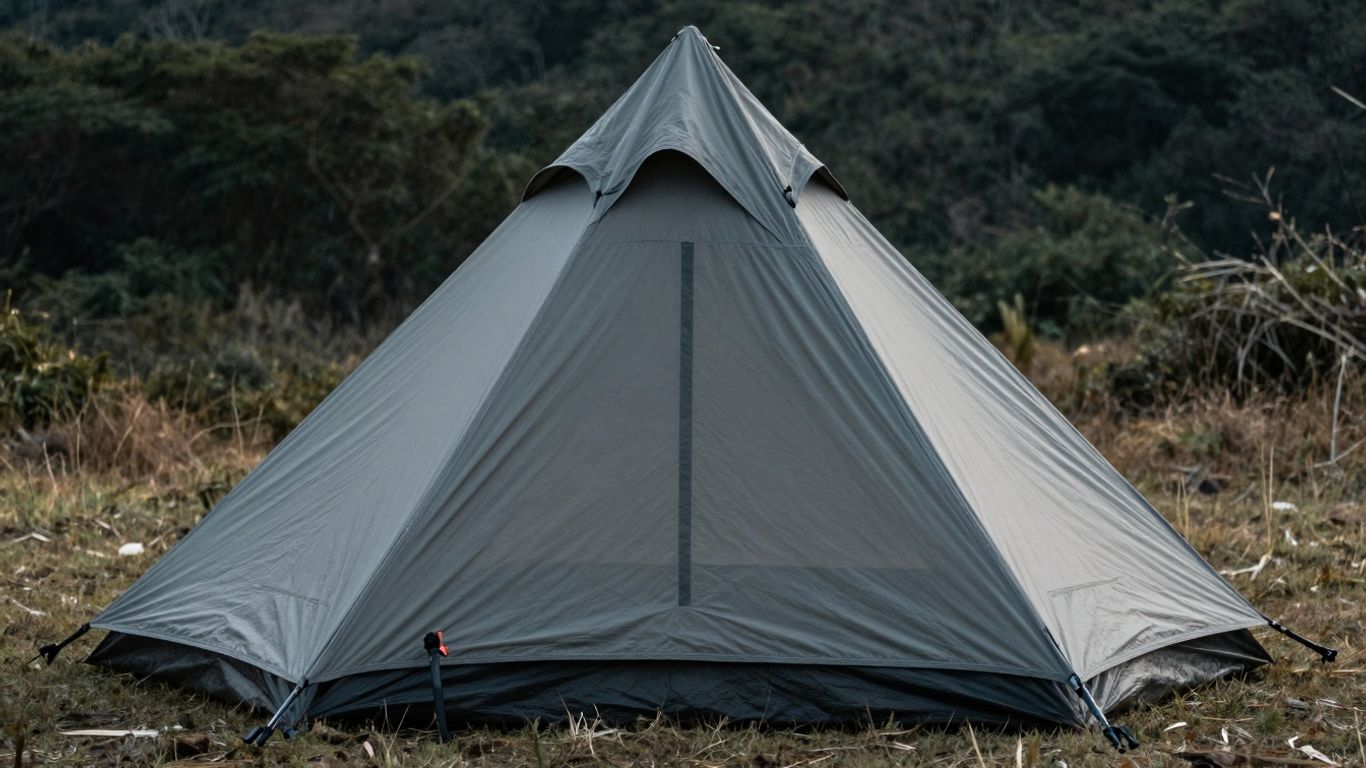
Alright, let’s talk about the SlingFin Cinder Cone. This thing is pretty wild, and honestly, it might be the best pyramid tarp out there for year-round use right now. I’ve seen it handle some serious weather, like 50 mph winds down in Patagonia, and it just stood there. It’s got these smart little touches, like reinforced corner tie-outs and plenty of spots to secure it, plus some neat vents to keep things from getting too stuffy when the sun’s out.
One of the biggest things about the Cinder Cone is its space. It’s got a massive 81 square feet of interior room, which is more than any other 4-season tent I’ve looked at. The catch? It doesn’t come with a floor. This might sound like a downside, but it actually makes it super flexible. You can run it without an inner tent in the summer to let the breeze flow, or in the winter if you want to dig out a huge cooking area. I even used it with an optional mesh inner body when the mosquitoes were absolutely insane up in the Brooks Range.
Setting this tent up is a bit different because it only needs one pole, and you have to bring that yourself. But again, that’s part of the versatility. I’ve used trekking poles lashed together, a special carbon fiber pole, and even my packraft paddle to get it up. You can pitch it high for airflow or low to the ground to batten down against the wind.
Here’s a quick look at some specs:
| Feature | Detail |
|---|---|
| Type | Pyramid Tarp |
| Sleeps | 4 (with optional inner) |
| Floor Area | 81 sq. ft. (tarp only) |
| Minimum Weight | ~2 lbs 5 oz (tarp only) |
| Pole | Not included |
The Cinder Cone really shines when you need a lot of space and can handle a bit more setup complexity. If you’re comfortable with knots and guy lines, and your adventures take you through varied conditions, this tent is a really smart choice. It’s not your typical pop-up tent, that’s for sure.
It does have three ventilation ports up high that you can open and close with drawcords, which is great for managing condensation or just getting some fresh air when you’re camped out on a glacier.
You can also lift the hem of the tarp to increase airflow, making it pretty well-ventilated for a 4-season shelter. Just remember, if you’re not a fan of fiddling with guy lines and stakes, this might not be the tent for you. It takes a little practice to get it pitched perfectly, especially in tough weather.
7. KUIU Storm Star 2 Person Tent
If you’re heading into serious backcountry territory, especially for hunting, the KUIU Storm Star 2 Person Tent is a solid contender for your shelter. This tent is built tough, designed to handle some pretty gnarly weather. I’ve heard from folks who’ve used it on high-alpine hunts, and it really holds its own when the wind picks up.
It’s a double-wall tent with an external pole design, which is a big plus for setting it up quickly, especially if it’s raining or snowing. The fly is made from a durable, non-stretch fabric that doesn’t budge in strong gusts. Plus, the floor is constructed with a beefy 40-denier ripstop nylon that goes way up the sides, giving you extra protection from ground moisture and splashes. The waterproof ratings are pretty good too, with 3,000 mm for the fly and 5,000 mm for the floor, so you should stay dry.
Here’s a quick look at some specs:
- Weight: Around 3 lbs, 15.9 oz
- Sleeps: 2 people
- Floor Area: 25.3 sq. ft.
- Height: 45 inches
One thing to note is that the interior space is on the cozier side for a two-person tent. You’ll likely be storing most of your gear in the vestibules. Also, while it has vents, they aren’t covered by bug netting, which could be a bit of a bummer in warmer months if insects are a problem.
Still, for its intended purpose of providing reliable shelter in challenging conditions, the Storm Star is a serious piece of gear. It’s a good option if you need a tent that can handle a beating and keep you protected. You can find more details about its construction and performance on the KUIU Storm Star 2P Tent page.
8. The North Face Assault 2
The North Face Assault 2 tent is a bit of an outlier in the four-season tent world. It uses a 100% waterproof-breathable FUTURELIGHT fabric, which is pretty neat and usually found in high-end jackets. This means it’s designed to keep the weather out while still letting moisture escape, which is a big deal when you’re stuck inside during a storm.
I heard about a mountain guide who used this tent during a Denali prep program. It snowed pretty much non-stop for a week, and apparently, not a drop of moisture got inside, even with all the pressure from the snow. That’s some serious storm-worthiness.
It’s a single-wall, bivy-style tent, meaning you set it up with poles inside. There’s a small brow pole to give you a bit more headroom, but getting it in place can be a bit tricky. The vestibule is on the left and has its own pole, which is a bit different. It’s big enough for two people to get geared up, and the guide mentioned fitting his whole expedition duffel in there.
Now, it’s not the lightest tent out there, tipping the scales at over 5 pounds. So, it’s heavier than some ultralight bivies, but it’s also cozier than a typical basecamp tent. This puts it in a unique spot, making it a good choice for longer trips where conditions can change a lot and you need solid protection.
Here’s a quick look at how it stacks up:
| Feature | Rating | Notes |
|---|---|---|
| Weather Resistance | 7.0 | Handles storms well |
| Living Space | 8.0 | Roomy for a bivy-style tent |
| Durability | 7.0 | Built to last |
| Size & Weight | 8.0 | A bit heavier, but offers good space |
This tent is a solid option if you’re doing expeditions where you might face a wide range of weather and need reliable shelter. It’s not the lightest, but the waterproof-breathable fabric and sturdy design make it a dependable choice for serious adventures.
9. Hyperlite Mountain Gear UltaMid 4
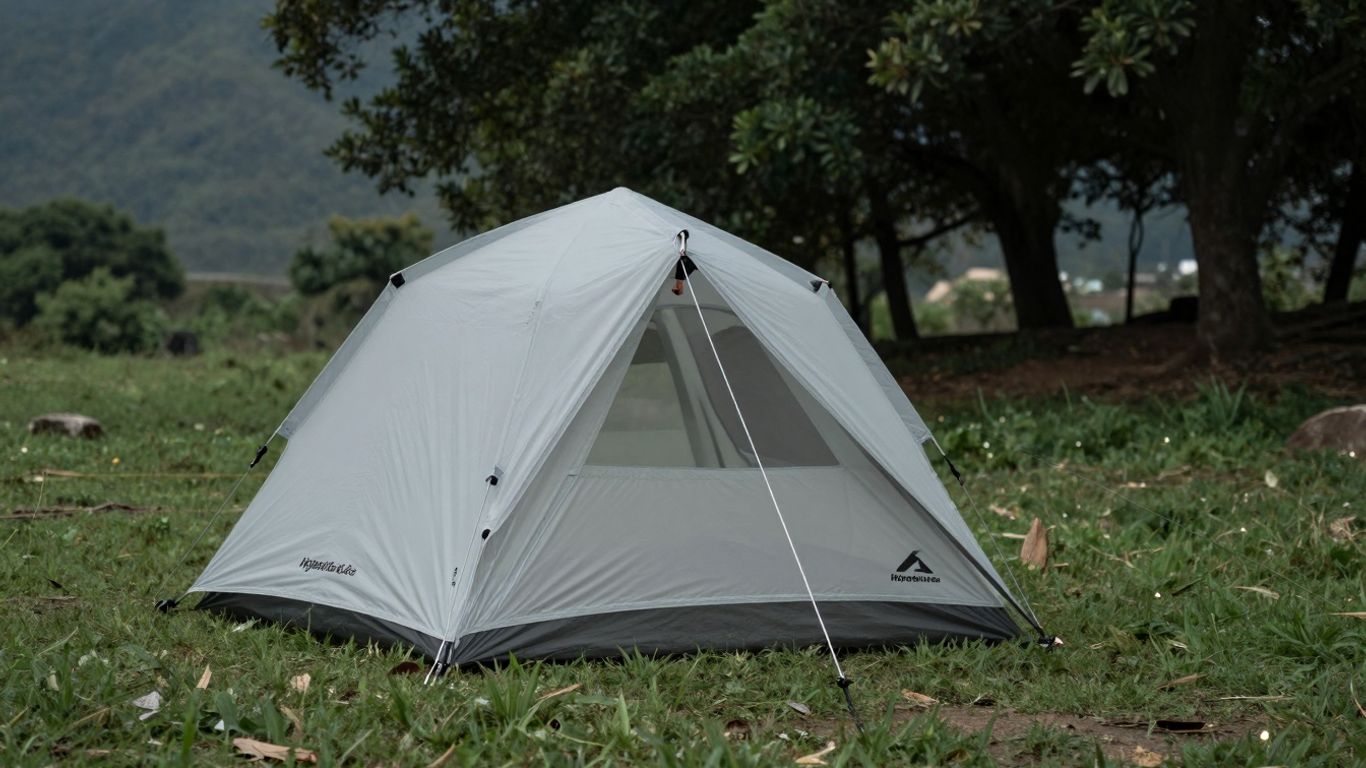
When you’re looking at the absolute lightest options for four-season shelter, the Hyperlite Mountain Gear UltaMid 4 really stands out. It’s a pyramid-style tent, which might sound a bit unusual for serious winter camping, but hear me out. These kinds of shelters, when pitched right, can handle some serious wind. The UltaMid 4 uses this super high-tech material called Dyneema Composite Fabric (DCF), which is incredibly strong and doesn’t stretch, even when it’s wet. Plus, it’s ridiculously light – we’re talking way lighter than a lot of traditional four-season tents.
Setting this thing up is pretty straightforward, especially if you’re already using trekking poles. If not, you can grab a carbon fiber pole separately. It packs down really small, like, smaller than a loaf of bread, which is amazing for saving space in your pack. The idea is that you use snow to build up the walls, creating a solid base. With all the guy-out points used, these shelters have proven themselves in some pretty gnarly conditions, even on places like Denali.
While it’s a spacious shelter, remember that the angled walls mean you don’t get to use every square foot of the stated floor space. Digging into the snow can help you customize the interior, creating sleeping areas or a cooking zone.
It’s worth noting that this tent is pretty much a tarp. You’ll need to buy inner tent options separately, and those aren’t cheap either. So, while the main shelter is pricey because of that fancy DCF material, the add-ons can really bump up the cost.
Here’s a quick look at some specs:
| Feature | Specification |
|---|---|
| Capacity | Up to 4 people |
| Minimum Weight | ~1.9 lbs (870g) |
| Floor Area | ~85 sq ft |
| Material | Dyneema Composite Fabric |
If you’re someone who prioritizes weight savings above all else and has the skills to set up a pyramid shelter properly in winter conditions, the UltaMid 4 is a top contender. It’s a favorite among those doing long trips on glaciers or in snowy environments where every ounce counts.
10. Samaya 2.5 Tent
Alright, let’s talk about the Samaya 2.5. This tent is definitely not your average four-season shelter. It’s built with some pretty high-tech materials, like an electro-spun membrane that’s supposed to be super breathable. Honestly, it feels more like a specialized piece of gear for serious alpinists than something you’d casually throw up for a weekend camping trip.
The whole setup uses three DAC poles, creating a dome shape that gives you about 34.4 square feet of space. For two people and all their climbing gear, it’s pretty snug but workable. Trying to squeeze three people in there? You’d better be good friends and not have much stuff.
This tent is all about pushing boundaries and going light when you’re deep in the backcountry. It weighs in at just under 4 pounds, which is impressive for what it offers. The membrane is designed to handle moisture well, which is a big deal when you’re out in serious weather. It’s got a waterproof rating of 10,000 mm, which is solid.
Here’s a quick look at some specs:
| Feature | Specification |
|---|---|
| Type | High-alpine |
| Weight | 3 lbs., 15.9 oz. |
| Sleeps | 2 |
| Floor Area | 25.3 sq. ft. |
| Walls | Single |
When it comes to setup, it’s fairly straightforward with the pole system. It also has plenty of guy-out points, which you’ll want to use to really secure it down if the wind picks up. The D-shaped door is a nice touch; it doesn’t flop onto the floor when you open it, which is one of those small things that makes a difference.
However, this tent isn’t for everyone. The price tag is steep, easily over a grand. And while it’s breathable, you might find ventilation a bit tricky during heavy rain. The floor space is also pretty minimal, so you’ll likely be sleeping head-to-toe if you’ve got two people.
If you’re the type of person who’s planning expeditions to remote, challenging locations and every ounce counts, the Samaya 2.5 is worth a serious look. It’s a specialized tool for a specific job, and for that job, it performs exceptionally well.
For more general four-season use, you might want to check out other options, but for extreme conditions, this is a contender. Remember to consider a good ground mat for added protection, like those from Big Agnes.
It’s a bit of a niche product, but if you fit that niche, it’s pretty amazing.
Wrapping It Up
So, there you have it. Picking the right four-season tent means thinking about what kind of adventures you’re planning. Whether you’re aiming for the highest peaks or just want a super sturdy shelter for any time of year, we’ve looked at some solid options.
Remember, these tents are built tough to handle serious weather, so they might be a bit more than you need for a casual summer camping trip. But for those who brave the elements, these recommendations should give you a reliable home base when the conditions get rough. Happy trails, and stay safe out there!
Frequently Asked Questions
What makes a 4-season tent different from other tents?
A 4-season tent is built tough to handle bad weather like heavy snow, strong winds, and hard rain. It uses stronger materials and has a design that’s better at resisting the elements compared to a 3-season tent, which is more for spring, summer, and fall.
Can I use a 4-season tent when it’s not winter?
Yes, you can use a 4-season tent in warmer weather, but it might not be as airy as a 3-season tent. Some models have vents you can open to help with airflow and stop moisture from building up inside when it’s warmer.
Are 4-season tents good for backpacking?
Many 4-season tents are made to be carried while backpacking, even though they can be a bit heavier because they’re so strong. If you plan on hiking long distances with your tent, look for lighter models designed for ‘fast and light’ trips.
How do I pick the right size for a 4-season tent?
Think about how many people will sleep in it and how much gear you need to store. Tent sizes usually say how many people they fit, but it’s good to check the actual measurements to make sure there’s enough room for everyone and your stuff.
Are all 4-season tents completely waterproof?
These tents are made to be very waterproof, but the exact level can differ. It’s always a good idea to check the tent’s details, like its waterproof rating, to know how well it will keep you dry in heavy rain or snow.
What’s the main difference between a 3-season and a 4-season tent?
A 3-season tent is lighter and more breathable, perfect for spring, summer, and fall camping, offering protection from bugs, wind, and rain. A 4-season tent is built with stronger materials and a sturdier design to handle heavy snow, ice, and strong winds, making it ideal for winter conditions and harsh weather.
Recommended Mountaineering Equipment
These products can support climbing and mountaineering in snow, ice, and cold conditions.
Affiliate disclosure: As an Amazon Associate, TradClimbers may earn from qualifying purchases at no additional cost to you.
Keep exploring helpful trad climbing, gear, safety, and technique resources.