

Have you been searching for more details pertaining to what are the best 4 season tent options? Heading out into the wild when the weather’s not playing nice? Owning one of the best extreme cold weather tents is not only important but mandatory for safety. You need a shelter that can handle it. We’ve been out in some pretty gnarly conditions, from windy coasts to snowy peaks, and found some tents that really stand up to the challenge.
This isn’t about your average weekend camping trip; we’re talking about serious gear for when you need protection above all else. Finding the best 4-season tent means looking for something tough, reliable, and ready for whatever Mother Nature throws your way. Let’s dive into some solid options.
Key Takeaways
- Four-season tents are built tough to handle harsh weather like heavy snow and strong winds, making them ideal for winter camping and mountaineering.
- When choosing a 4-season tent, consider how much weight you’re willing to carry versus the need for space and comfort.
- Adaptable tents, like the SlingFin CrossBow 2, offer customizable setups for different conditions, balancing strength and weight.
- Specialized tents, such as the Samaya 2.0 and MSR Advance Pro 2, are great for fast, light alpine trips but might be less comfortable for general use.
- Even the best 4-season tents might feel a bit warm in milder weather, and their robust construction often means a higher price tag compared to 3-season models.
1. Mountain Hardwear Trango 3 Tent
When you’re heading out for serious expeditions, especially those that stretch for weeks or even a month, you need a tent that you can absolutely count on. The Mountain Hardwear Trango 3 has been a go-to for climbers and adventurers for a long time, showing up in some pretty wild places. It’s built tough, designed to handle whatever the weather decides to throw at you without complaint.
This tent really shines when you’re in a situation where shelter failure just isn’t an option. Think long trips in harsh conditions, like on glaciers or in high alpine environments. The Trango’s design, which uses a four-pole structure with multiple intersections, makes it incredibly stable. It’s a freestanding design, meaning you don’t need to stake it out perfectly to get it to stand up, which is a big plus when you’re setting up in wind or snow. Plus, the pole sleeves are absent, replaced by clips, which can make setup a bit quicker, especially when your fingers are cold.
Inside, it’s pretty well thought out for extended stays. You get a good amount of space, and there are plenty of pockets and storage options to keep your gear organized. For a tent meant for serious conditions, having that extra space for your gear and a bit of room to move around makes a big difference. The color-coded poles and fly make putting it up easier, even when you’re dealing with less-than-ideal conditions. The fly can even be oriented in either direction, which is handy for managing wind.
Here’s a quick look at some specs:
| Feature | Specification |
|---|---|
| Capacity | 3-person |
| Weight | ~9 lb 7 oz (4.28 kg) |
| Floor Area | ~40 sq ft (3.7 sq m) |
| Packed Size | Varies (large) |
| Price | ~$1,050 |
The Trango 3 is a tent you buy for its bombproof reliability in extreme weather. It’s not the lightest or the most compact tent out there, and the price tag is substantial, but for those who need a shelter that will stand firm against storms and keep you safe on extended, demanding trips, it’s a solid choice. The materials used are robust, from the floor fabric to the zippers, all built to last in tough environments. The guy-out points are strategically placed, making it easy to secure the tent firmly, especially if you’re building snow walls at camp.
While it might seem a bit heavy and bulky for shorter trips or less demanding conditions, its weight and size are a direct trade-off for the incredible durability and stability it offers. This tent is designed for situations where comfort and safety are paramount, and the extra ounces are well worth the peace of mind.
2. REI Co-op Arete ASL 2
Alright, let’s talk about the REI Co-op Arete ASL 2. This tent is kind of the middle-ground option, aiming to give you four-season protection without completely emptying your wallet. The ‘ASL’ part stands for All Season Light, which is a pretty good hint at what it’s designed for – think shoulder seasons and winter camping where things aren’t totally extreme, maybe below the treeline where the wind isn’t trying to rip your face off.
It’s got a pole structure that feels familiar if you’ve seen tents like the Mountain Hardwear Trango or the MSR Hubba Hubba NX, but REI has tweaked it a bit to keep the price down. This makes it a solid choice if you’re curious about winter camping but don’t want to invest in the most hardcore gear right away. I took this tent out a bunch in the North Cascades during those messy shoulder months, where you get everything from rain to sleet to snow, sometimes all in one day. The setup is pretty straightforward, with a four-pole design, though one pole doesn’t go all the way to the top, so it’s not quite as bombproof as some pricier options.
What’s cool is the ventilation. You can unzip a big panel on the ceiling to let out moisture, which is a big deal when the temperature swings. And when it gets cold, you can zip it right back up to keep the warmth in. It’s a pretty smart bit of design for a tent in this price range.
Now, to hit that price point, there are a few places where REI made some cuts. You’ll notice simpler pole clips, plastic bits where the poles connect, and a smaller vestibule area. It also doesn’t have those snow-skirt features you see on some other tents, and the rainfly doesn’t extend super low, so you might get some drafts if you’re not careful with site selection. But honestly, for the money, it does a really good job.
Here’s a quick look at how it stacks up:
| Feature | Specification |
|---|---|
| Price | $450 |
| Weight | 6 lb. 5 oz. |
| Floor Area | 32.9 sq ft |
| Peak Height | 43 in |
Compared to other tents like the NEMO Kunai or Big Agnes Copper Spur HV2 Expedition, the Arete ASL 2 really shines when it comes to value. It’s the tent I’d grab for those shoulder-season volcano climbs when the weather forecast looks okay. It’s a great way to get into more challenging conditions without breaking the bank.
3. SlingFin CrossBow 2
The SlingFin CrossBow 2 is a really solid choice if you’re looking for a tent that can handle pretty much anything the weather throws at you. It’s often called the best all-around 4-season shelter, and honestly, it lives up to that name. This tent is built tough and dependable, making it great for winter backpacking or any year-round adventures.
One of the standout features is its WebTruss design. It sounds fancy, but what it really means is the tent stays super stable in high winds and heavy snow without feeling like you’re carrying a brick. Plus, having two doors and two vestibules is a game-changer. You get plenty of space for your gear, and it’s easy for two people to get in and out without tripping over each other. This also makes it a lot more comfortable for longer trips where you might be stuck inside more often.
Here’s a quick look at some specs:
- Weight: 5 lb. 2 oz.
- Price: $790
- Interior Space: 32 sq ft
- Doors: 2
Condensation can be a real pain in the neck when camping in cold, damp weather, but the CrossBow 2 does a decent job of managing it. It’s also surprisingly light for how robust it is, making it packable enough for use in warmer months too. You can even tweak the setup, leaving some parts behind to shave off weight if you’re going ultralight.
Setting it up might take a little practice compared to simpler tents, but once you get the hang of it, it’s pretty straightforward. If you need a tent that’s reliable and can handle rough conditions, the SlingFin CrossBow 2 is definitely worth checking out. It’s a versatile shelter that won’t let you down when you need it most. You can find more details about this excellent 4-season shelter online.
4. Big Agnes Copper Spur HV3 Expedition
When you’re looking for a tent that really lets you spread out, the Big Agnes Copper Spur HV3 Expedition is a solid contender. It’s known for being a spacious option, which is a big deal when you’re stuck inside during bad weather or just want some room to organize your gear. This tent offers a great balance between being lightweight enough to carry and having enough space to actually live in comfortably.
Setting this tent up is usually pretty straightforward. The freestanding design means you don’t need to find perfect anchor points, and the pole structure is pretty intuitive. It’s got dual doors, which is always a plus, meaning no more climbing over your tentmate to get out. Plus, the vestibules are decent-sized, giving you a spot to stash your muddy boots or a backpack.
Here’s a quick look at some specs:
| Feature | Specification |
|---|---|
| Capacity | 3-person |
| Packed Weight | Around 3 lbs 15 oz |
| Floor Dimensions | 88 x 50 inches |
| Peak Height | Around 40 inches |
While it’s built with quality materials, it’s still an ultralight tent. That means you need to be a bit careful when setting it up and using it, especially on rough ground. It’s not the most rugged tent out there, but for its weight class, it holds up well if you treat it right.
It’s a popular choice for a reason, especially if you value comfort on your trips. If you’re planning on doing a lot of multi-day backpacking and want a tent that feels more like a small apartment than a coffin, the Copper Spur HV3 Expedition is definitely worth checking out. You can find more details on this Big Agnes tent.
5. Samaya 2.0
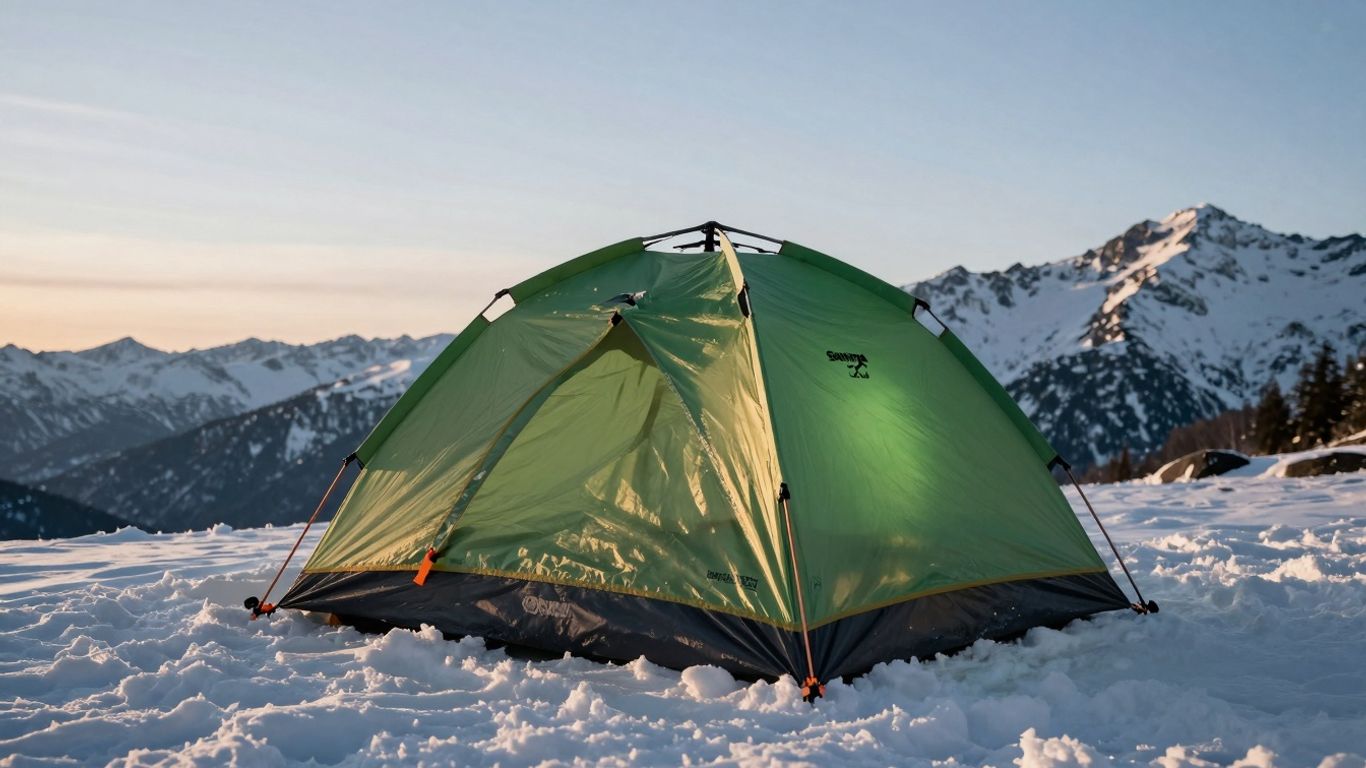
Alright, let’s talk about the Samaya 2.0. This tent is definitely not for your average weekend camper. It’s built for the serious alpinist, the mountaineer who’s heading out into some truly gnarly conditions where weight is everything and failure isn’t an option. This is a specialized tool for extreme environments.
Samaya uses some pretty high-tech materials here, like Dyneema Composite Fabric for the floor and what they call Nanovent walls. The idea is to give you full waterproofing without making you feel like you’re trapped in a sauna. It’s a single-wall design, which helps keep the weight down – we’re talking just over three pounds for a tent that can handle serious weather. That’s pretty impressive when you consider what it’s up against.
When it comes to space, it’s cozy. It’s technically a two-person tent, but honestly, it’s much more comfortable if you’re going solo or maybe with a very close friend and all your gear is streamlined. The big door is a nice touch, making it easier to get in and out, especially when you’re bundled up. Just a heads-up, there’s no built-in vestibule, so you’ll need to figure out where to stash your extra gear, maybe an add-on is in your future. Setting it up is pretty straightforward, but you do need to be a bit careful with those lightweight fabrics; they’re not exactly bombproof against sharp objects.
Here’s a quick look at some specs:
- Weight: 3 lb. 5 oz.
- Floor Material: Dyneema Composite Fabric
- Wall Material: Nanovent (air-permeable membrane)
- Capacity: 2-person (more comfortable for 1)
- Setup: Single-wall, pole-supported
This tent is an investment, no doubt about it. The price tag is steep, and for most people, it’s probably overkill. But if you’re the kind of person who pushes the limits in alpine settings and needs a shelter that’s incredibly light yet tough enough to withstand harsh conditions, the Samaya 2.0 is worth considering. It’s designed for those who prioritize performance and reliability above all else when they’re out on the mountain. For serious alpine expeditions, this tent is a top contender.
If you’re looking for something similar but maybe a bit more budget-friendly for extreme conditions, you might want to check out the Samaya 2.5 tent which uses a similar membrane technology.
6. MSR Advance Pro 2
Alright, let’s talk about the MSR Advance Pro 2. This tent is built for people who are serious about going fast and light in some pretty gnarly conditions. Think alpine climbs and high-altitude treks where every ounce counts. It’s a single-wall design, which helps keep the weight down and the pack size small.
The Advance Pro 2 really shines when it comes to its stormworthiness. It uses tough Easton Syclone poles and a fabric that’s both waterproof and breathable, so it should handle wind and snow like a champ. The steep walls are designed to shed snow easily, and its compact footprint means you can pitch it on smaller, exposed ledges where other tents might not fit. It’s definitely not a luxury palace inside, though. It’s best for two people who don’t mind being cozy or for a solo adventurer who wants a bit more room.
Here’s a quick look at its specs:
| Feature | MSR Advance Pro 2 |
|---|---|
| Packed Weight | 3 lbs. 3 oz. |
| Floor Area | 24 sq. ft. |
| Peak Height | 44 inches |
| Packed Size | Small |
One thing to keep in mind is the lack of a vestibule. This means you’ll need to get creative with storing your gear outside the main tent body, which can be a bit of a pain in bad weather. Condensation can also be an issue, especially if you’re in humid or warmer conditions, so good ventilation management is key. Setting it up is pretty straightforward, but you’ll want to practice a few times before you’re out in a blizzard trying to figure it out.
If your priority is shedding weight and having a shelter that can withstand serious weather, the MSR Advance Pro 2 is a solid contender. It’s a specialized piece of gear for specific types of adventures, not really for casual car camping.
Overall, if you’re heading into the mountains and need a reliable, ultralight shelter that can handle tough conditions, this tent is worth a look. Just be prepared for its minimalist approach to comfort and storage.
7. KUIU Storm Star 2
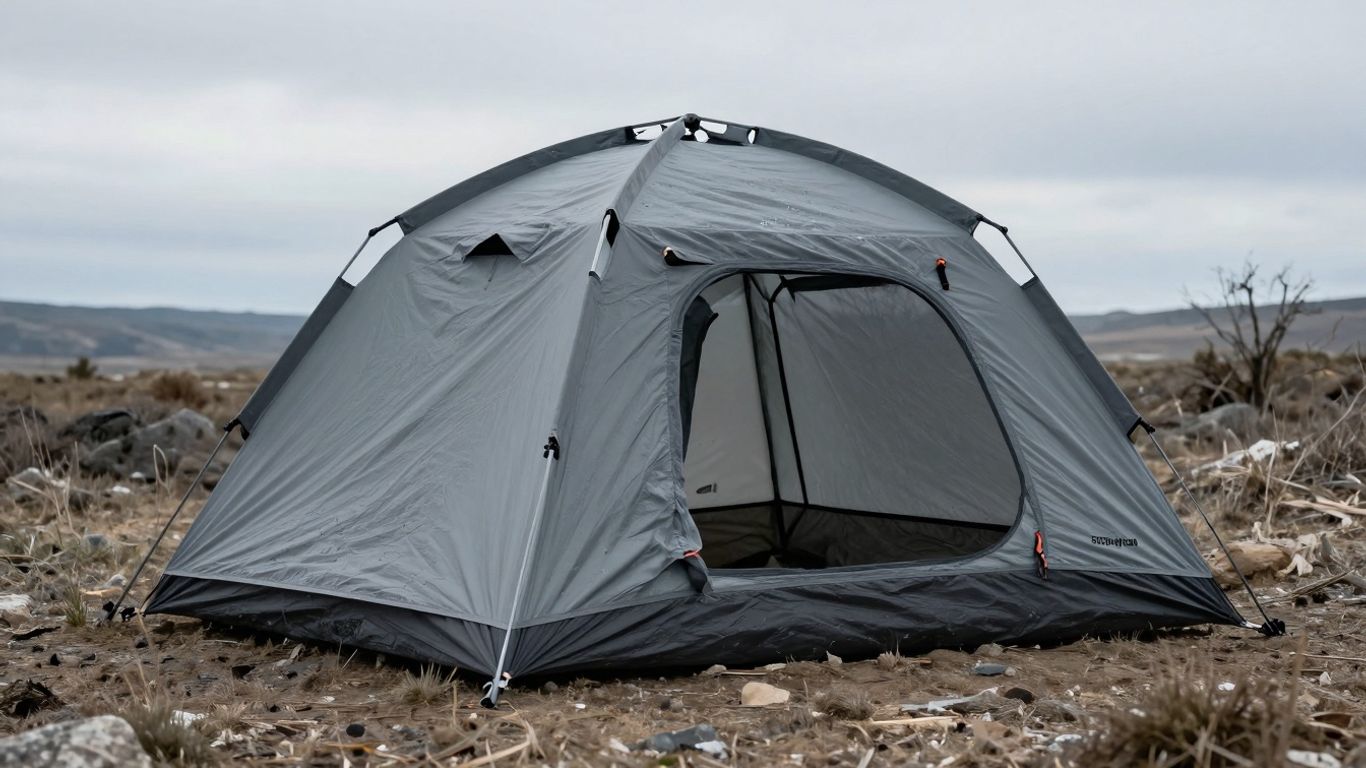
When the weather forecast looks grim and you’re miles from anywhere, the KUIU Storm Star 2 is the tent you want pitched.
This thing is built like a tank, seriously. I’ve seen videos of it holding its own against some pretty wild winds, the kind that would make most tents just give up. If you’re heading into serious alpine territory or just know you’ll be dealing with heavy snow and relentless wind, this tent is a solid bet. It feels incredibly sturdy, like it’s ready to take on whatever Mother Nature decides to throw at it.
It’s a beast when it comes to wind resistance. During testing, it handled gusts up to 60 mph without breaking a sweat, thanks to its strong pole setup and all the guy-out points. Having two doors and two vestibules is a lifesaver for gear storage, especially when you’re dealing with bulky winter stuff. It’s cozy for two people, but honestly, it’s way more comfortable if you’re going solo.
Sure, it’s not the lightest tent on the market, tipping the scales at just under six pounds. But that weight comes with a serious payoff in durability. Think of this more as a basecamp tent or for shorter trips where you’re not hauling it for days on end. Setting it up is pretty straightforward once you get the hang of the color-coding, though your first few attempts might take a little longer.
Here’s a quick look at its specs:
| Feature | Specification |
|---|---|
| Weight | 5 lb. 14 oz. |
| Floor Area | 29.5 sq ft |
| Packed Size | 86 x 195 x 45 in |
| Price | $600 |
| Overall Rating | 4.8/5.0 |
If you need a tent that’s going to keep you safe and dry when things get truly nasty outside, the KUIU Storm Star 2 is a top contender. It’s a reliable shelter that’s perfect for serious winter camping or any adventure where the weather is a major concern.
8. Alps Mountaineering Tasmanian 2
If you’re looking for a solid, dependable four-season tent that won’t empty your wallet, the Alps Mountaineering Tasmanian 2 is definitely worth a look. It’s a great option for anyone wanting to get into winter camping or just needs a robust shelter for less extreme conditions. This tent offers a lot of bang for your buck.
When it comes to space, the Tasmanian 2 is surprisingly roomy for a two-person tent. You get a good amount of headroom, which makes a difference when you’re stuck inside during bad weather. Plus, having two vestibules is super handy for stashing your muddy boots and wet gear, keeping the main sleeping area clear. It’s designed to hold up well against snow and wind, making it a reliable choice for colder months.
Here’s a quick rundown of its specs:
- Seasons: 4-season
- Capacity: 2 people
- Weight: 7 lb. 15 oz.
- Floor Area: 35.5 sq. ft.
- Peak Height: 46 inches
While it’s not the lightest tent out there, its sturdy construction means it can handle some serious weather. The polyester fly and waterproof floor are built to last. Setting it up is pretty standard, though getting the poles through the fly sleeves can be a bit of a wrestling match if it’s windy. For its price point, it’s a really solid performer, especially if you’re not planning on summiting Everest.
The Alps Mountaineering Tasmanian 2 is a well-built, reliable and budget-friendly 4-season tent that punches above its weight when it comes to durability and weather protection. Perfect for winter camping and below-treeline adventures, it’s a great option for those who want to dip their toes into winter camping without breaking the bank.
For extreme blizzard conditions, tents with more crossing poles, such as the Alps Mountaineering Tasmanian 2, provide better support against heavy snow loads [064e]. It’s a good choice for car camping in winter or shorter backpacking trips where weight isn’t the absolute top priority.
9. SlingFin Cinder Cone Pyramid Tent
Okay, let’s talk about the SlingFin Cinder Cone. This thing is pretty wild, and honestly, it’s earned a spot in my top recommendations for a 4-season pyramid tarp. I’ve taken it out to some seriously rough places, like Patagonia and way up in Alaska, and it just held its own. It’s a shelter that really shines when the weather decides to throw a tantrum.
What makes it stand out is how much space you get. It’s got a massive 81 square feet of interior room, which is more than most other 4-season tents out there. Now, the catch is that it doesn’t come with a floor. This might sound like a downside, but it actually makes the Cinder Cone super adaptable. You can run it without an inner tent in the summer, or if you want a huge cooking area in the winter. Or, you can add on an optional mesh body, which I did when the mosquitoes were absolutely insane in the Brooks Range.
Setting this tent up is a bit different because it uses just one pole for support. But that’s also a good thing because you can use whatever you have handy – trekking poles lashed together, a dedicated pole, or even a paddle. It can be set up really tall to catch breezes or slammed low to the ground to fight off serious wind. I had it up in 50 mph winds in Patagonia, and while it wouldn’t have been a cozy night, the tarp itself stayed put.
One of the best features has to be the ventilation. It has these three portals up high that you can open or close with drawcords. This is a lifesaver when the sun is beating down on a glacier or just to keep the air from getting too stuffy. You can even lift the hem to get more airflow. It’s a really well-thought-out design for keeping things comfortable.
The Cinder Cone is a versatile pyramid shelter that offers a huge amount of interior space. Its single-pole design and adaptable setup make it suitable for various conditions and seasons, though it requires a bit more skill to pitch effectively compared to more conventional tents.
If you’re someone who likes to tinker and isn’t afraid of a few extra knots, this tent is a fantastic choice. It’s a really solid option if your adventures take you to some challenging spots and you need a shelter that can handle it all. You can find out more about this excellent pyramid shelter and see if it fits your needs.
Key Features:
- Spacious Interior: Offers 81 sq. ft. of living space.
- Versatile Setup: Can be used with or without an optional inner tent.
- Single Pole Support: Adaptable to various pole types (trekking poles, dedicated pole, etc.).
- Excellent Ventilation: Features three adjustable high-vent portals and a liftable hem.
- Durable Construction: Proven in harsh conditions like Patagonia and Alaska.
10. Hilleberg Nammatj 3
The Hilleberg Nammatj 3 is a tent that really hits a sweet spot for serious winter campers. It’s not the absolute heaviest-duty option Hilleberg makes, nor is it the lightest single-person shelter, but it strikes a great balance. This tunnel tent design is known for being super stable, even when the wind really picks up. I took it out for a quick overnight in Alaska, and even with about six inches of fresh snow, it held up like a champ. It packs down surprisingly small, thanks to that slick Kerlon 1800 fabric they use.
Setting this tent up is pretty straightforward, especially for a tunnel design. You’ve got two main poles, which are a bit beefier than usual because this is part of Hilleberg’s ‘Black Label’ series – meaning it’s built tough for bad weather. The tunnel shape is really efficient for how much space you get versus the weight you’re carrying. While the interior isn’t as massive as some other four-season tents, it’s definitely cozy and ‘thermally efficient’ for three people, and feels quite roomy for two.
One of the best things about the Nammatj 3 is the vestibule. It’s a decent size and offers a good spot to stash gear or even cook if you need to. Plus, with all the guy-out points, you can really secure this tent down tight when the weather turns nasty. It’s a solid choice if you need a reliable shelter for demanding conditions and appreciate a well-thought-out modular camping tent design.
Key Features:
- Tunnel design for excellent wind resistance.
- Kerlon 1800 fabric for durability and packability.
- Two robust 10mm DAC poles.
- Generous vestibule space.
- Multiple guy-out points for maximum stability.
While the interior sleeping area is on the cozier side for three people, the overall design prioritizes stability and weather protection, making it a dependable choice for challenging environments. The large vestibule helps compensate for the more compact sleeping quarters.
Wrapping Up Your Search for a Tough Tent
So, you’ve looked at some seriously tough tents. These aren’t your average backyard shelters; they’re built to handle some serious weather. Whether you’re aiming for high mountain peaks or just want something that won’t quit when the wind picks up, there’s a solid option out there. Remember to think about what kind of trips you’ll actually be taking. A super heavy-duty tent might be overkill for a casual fall camping trip, and a lighter one might not cut it on a serious winter expedition. We’ve tested a bunch, from the adaptable SlingFin CrossBow 2 to the expedition-ready Mountain Hardwear Trango 3, and hopefully, this guide helps you pick the right one to keep you safe and dry, no matter what the season throws at you.
Frequently Asked Questions
What makes a tent a “4-season” tent?
A 4-season tent is built extra tough to handle rough weather like strong winds, heavy snow, and cold temperatures. Unlike 3-season tents, they usually have stronger poles, more durable fabric, and less mesh to keep warmth in and the elements out. They’re designed for serious adventurers heading out in winter or harsh conditions.
Can I use a 4-season tent in the summer?
While a 4-season tent can technically be used in the summer, it might get a bit too warm and stuffy. They’re designed to trap heat for cold weather, so they often have less ventilation than a 3-season tent. If you’re mostly camping in warm weather, a 3-season tent would likely be more comfortable.
What’s the main difference between a 3-season and a 4-season tent?
Think of it like this: a 3-season tent is for spring, summer, and fall, handling rain and moderate winds. A 4-season tent is for the toughest conditions, including winter storms, heavy snow, and extreme winds. 4-season tents are built to be much stronger and warmer.
How important is ventilation in a 4-season tent?
Ventilation is super important, even in a cold-weather tent! It helps stop moisture from building up inside, which can make things damp and cold. Good 4-season tents have vents that you can open and close to control airflow without letting too much cold air in.
Are 4-season tents heavier than 3-season tents?
Yes, generally they are. Because they use stronger materials and more robust pole systems to withstand harsh weather, 4-season tents tend to weigh more than their 3-season counterparts. However, some are designed to be lighter for specific uses like fast-and-light mountaineering.
What should I look for when buying a 4-season tent?
When choosing a 4 season tents, think about how strong it needs to be for the weather you’ll face, how much space you need inside for you and your gear, and how easy it is to set up. Also, consider its weight, especially if you’ll be carrying it a long distance.
Recommended Mountaineering Equipment
These products can support climbing and mountaineering in snow, ice, and cold conditions.
Affiliate disclosure: As an Amazon Associate, TradClimbers may earn from qualifying purchases at no additional cost to you.
Keep exploring helpful trad climbing, gear, safety, and technique resources.