

Getting into climbing is exciting, but figuring out the right gear can be a bit much. Especially when it comes to shoes. You don’t want something that feels like a torture device, but you also need them to actually work on the wall. This guide is here to help you sort through all the options. We’ll break down what makes a good pair of beginner climbing shoes, from how they fit to what they’re made of, so you can focus on enjoying the climb.
Key Takeaways
- Beginner climbing shoes should prioritize comfort and durability over aggressive performance features. Look for a flat sole, a rounded toe, and a less asymmetrical shape.
- Leather uppers tend to stretch and mold to your foot over time, offering a personalized fit, while synthetic materials offer less stretch and can be more breathable.
- Velcro closures are super convenient for quick on-and-off, especially in the gym, but lace-up systems offer more precise adjustment for a custom fit.
- When sizing, aim for a snug but comfortable fit. Your toes should touch the end of the shoe, but not be painfully curled. Remember that different materials stretch differently.
- For your first pair, focus on affordable, versatile options. You don’t need specialized shoes for gym or outdoor climbing initially, and spending less means you can upgrade later without a huge investment.
Understanding Beginner Climbing Shoe Characteristics
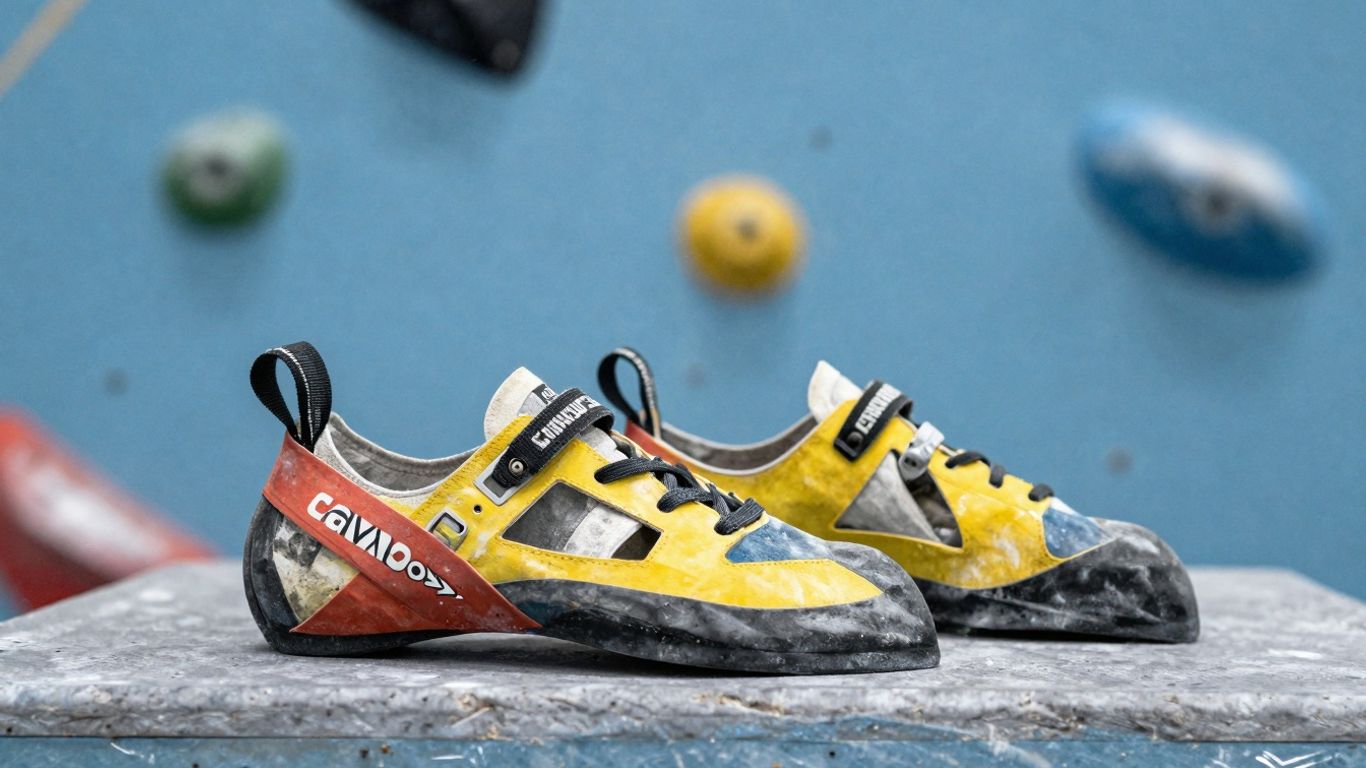
When you’re just starting out in climbing, picking the right shoes can feel a bit overwhelming. There are so many options, and they all look a little different from your everyday sneakers. But don’t worry, beginner shoes are designed with you in mind. They focus on a few key things to make your learning process smoother and more comfortable.
Key Features of Entry-Level Climbing Shoes
Beginner shoes are usually pretty straightforward. You’ll notice they tend to have a flat sole, unlike the more aggressive, curved shoes some experienced climbers wear. The toe box is generally rounded and not super pointed, which makes them more comfortable for longer periods. They also tend to be less asymmetrical, meaning they don’t curve sharply inward. Think of them as the comfortable, reliable sedan of the climbing shoe world – not flashy, but gets the job done well.
- Flat Sole: Provides a stable platform for your feet.
- Rounded Toe: Offers more comfort and space for your toes.
- Symmetrical Shape: Reduces pressure points and makes them easier to wear for extended sessions.
- Durable Construction: Built to withstand the wear and tear of learning.
Comfort Versus Performance for New Climbers
For your first pair of climbing shoes, comfort should definitely be the top priority. It’s tough to get motivated to climb if your feet are constantly hurting. While advanced shoes might sacrifice some comfort for better performance (like a tighter fit for precise edging), beginner shoes aim for a balance. You want a shoe that feels good enough to wear for an entire climbing session, allowing you to focus on learning the movements and building strength without being distracted by foot pain. A shoe that fits well and doesn’t pinch or rub will make a huge difference in your early climbing experiences.
As a beginner, your main goal is to enjoy the sport and get a feel for climbing. A comfortable shoe allows you to do just that, making it easier to stick with it and progress. Don’t worry about having the most high-performance shoe; focus on one that lets you learn and have fun.
Durability and Rubber Compounds for Beginners
Beginner shoes are typically made with tougher, stiffer rubber compounds. This might not offer the super-sticky grip of softer rubbers used in more advanced shoes, but it has a big advantage: durability. Stiffer rubber holds up better against the abrasion of climbing walls and the inevitable scuffs and scrapes as you learn to place your feet. This means your first pair will likely last longer, giving you more value for your money. A thicker sole, generally 4mm or more, also contributes to longevity. While you might eventually want softer rubber for better friction on tiny holds, a durable sole is perfect for building foot strength and learning proper technique without worrying about wearing out your shoes too quickly.
| Feature | Beginner Shoe Focus | Advanced Shoe Focus |
|---|---|---|
| Rubber Stiffness | Moderate to Stiff | Soft to Moderate |
| Rubber Thickness | 4mm+ | 3mm-4mm |
| Primary Goal | Durability & Support | Grip & Sensitivity |
Choosing the Right Materials for Your First Pair
When you’re just starting out in climbing, the materials your shoes are made from might not seem like a big deal. You’re probably more focused on just getting your feet into them and onto the wall. But honestly, the materials play a pretty big role in how your shoes feel, how they perform, and how long they’ll last. It’s worth taking a moment to understand what you’re looking at.
Leather Uppers: Pros and Cons
Leather has been the go-to for climbing shoes for ages, and for good reason. It’s a natural material that molds to your foot over time. This means a leather shoe will eventually feel like a second skin, offering a really personalized fit. The downside? Leather stretches. A lot. Sometimes up to a full size. This can be tricky when you’re buying your first pair. You might need to size down quite a bit, anticipating that stretch. Also, some leather shoes, especially if they’re dyed, can leave your feet looking a bit blue after a session. Unlined leather stretches the most, while lined versions offer a bit more stability and less give.
Synthetic and Knit Materials Explained
Synthetics are the modern alternative. Think of materials like microfiber or polyurethane. The big advantage here is that they don’t stretch much, if at all. This makes sizing a bit more straightforward – what you buy is pretty much what you get. However, synthetics can sometimes be less breathable than leather, leading to sweaty feet on longer climbs or in warmer gyms.
Knit materials are the newest players on the scene. They’re often super breathable and can feel quite comfortable right out of the box. While they might have a little give initially, they generally maintain their shape well through use, avoiding that significant stretch you get with leather. They offer a good balance for beginners who want comfort and decent performance.
Understanding Rubber Thickness and Durability
The rubber on the sole is what actually grips the rock or the gym holds. For beginners, durability is usually more important than super-sticky rubber. Thicker rubber, generally 4mm and up, will last much longer as you learn to place your feet precisely. Softer, thinner rubber might feel stickier, but it wears out faster, and as a beginner, you’ll likely be scuffing your shoes around a lot while you figure things out.
A good beginner shoe will have a moderately stiff midsole too, which helps support your feet as your muscles get stronger. You don’t need the super-aggressive, downturned shoes that advanced climbers use; a flatter, more comfortable shoe is perfect for starting out. Finding a shoe that balances comfort with a durable rubber sole is key for your first pair of climbing shoes.
As you progress, you’ll start to notice how different rubber compounds affect your climbing. Some are stickier for delicate moves, while others are built to last. But for now, focus on a thicker, more durable rubber that can handle the learning process without wearing out too quickly. This will save you money and frustration in the long run.
Closure Systems for Beginner Climbing Shoes
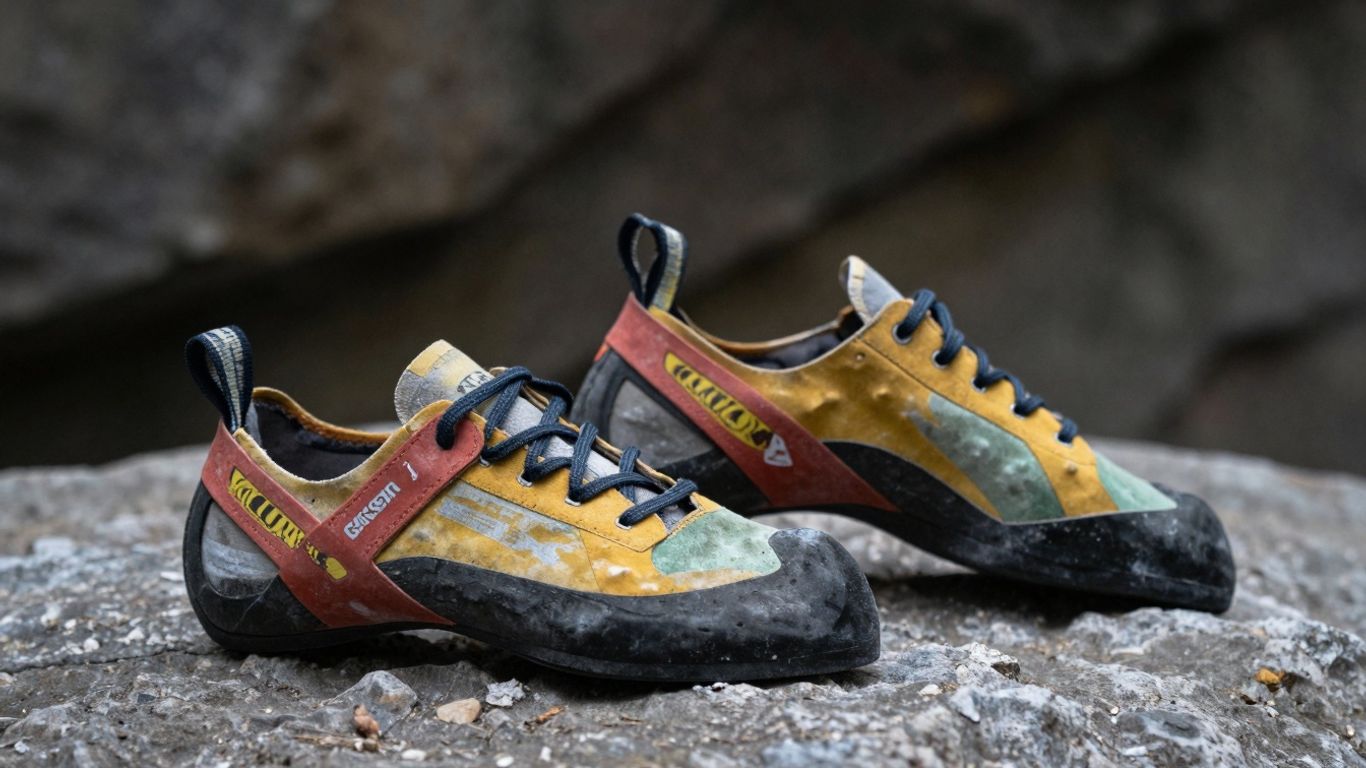
When you’re just starting out in climbing, figuring out the best way to secure your shoes to your feet might seem like a small detail, but it actually makes a big difference in how comfortable and functional they are. There are three main types of closures you’ll see: Velcro, laces, and slip-ons. Each has its own set of pros and cons, and what works best often depends on where and how you’re climbing.
The Convenience of Velcro Closures
Velcro straps are super popular for beginner shoes, and for good reason. They’re incredibly easy and quick to get on and off. This is a huge plus when you’re in the gym, constantly taking your shoes off between climbs or when resting. You just pull them on, tighten the straps, and you’re good to go. This ease of use means less fuss and more time spent actually climbing.
While they might not offer the super-fine-tuned fit that laces do, for most new climbers, the convenience is a major win. Many beginner-friendly models feature Velcro closure systems because they simplify the whole process of gearing up.
Adjustability of Lace-Up Systems
Lace-up climbing shoes offer the most control over how your shoe fits. You can adjust the tightness all along the foot, from the toes to the heel. This means you can really dial in the fit for maximum comfort or cinch them down for a more precise feel when you need it. If you have unusually shaped feet, laces can be a lifesaver for getting a snug, secure fit. However, all those laces can be a bit of a hassle if you’re frequently taking your shoes on and off. Plus, laces can sometimes break, and replacing them can be a bit of a pain.
Slip-On Options for Quick Transitions
Slip-on climbing shoes are the simplest option. They usually have elastic around the opening, allowing you to slide your foot in and out easily. They’re great for very casual climbing or when you want something super low-profile. The main drawback is that they offer the least adjustability.
You’re pretty much stuck with the fit as it is, which might not be ideal if your feet need a bit more customization. For beginners, they’re often less common than Velcro or lace-up options because they don’t provide as much support or the ability to fine-tune the fit as you learn.
Here’s a quick look at how they stack up:
| Closure Type | Ease of Use | Adjustability | Best For |
|---|---|---|---|
| Velcro | High | Medium | Gym climbing, quick transitions |
| Lace-Up | Medium | High | Precise fit, varied foot shapes |
| Slip-On | Very High | Low | Casual climbing, minimal fuss |
When choosing your first pair, think about your typical climbing environment. If you’re mostly going to be at an indoor gym, the speed of Velcro can be a real advantage. If you anticipate doing more outdoor climbing where you might be on your feet for longer stretches or need a more secure fit on varied terrain, laces might be worth the extra effort.
Fit and Sizing for Optimal Comfort
Getting the right fit for your first pair of climbing shoes is super important. It’s not just about comfort, though that’s a big part of it. The way your shoes fit directly impacts how well you can use your feet on the wall, which is pretty much everything when you’re starting out. A well-fitting shoe will make learning new techniques feel more natural and less frustrating.
Achieving a Comfortable Fit
Forget what you might hear about climbing shoes needing to be painfully tight. For beginners, that’s just not the case. You want a fit that’s snug, meaning there are no big air pockets around your heel or toes, but it shouldn’t feel like your feet are being crushed.
Think of it as a firm hug for your feet. If your shoes are too loose, your feet will slide around, making it hard to grip holds. Too tight, and you’ll be miserable, which can really put a damper on your climbing sessions. The goal is a precise feel without constant pain. You should be able to stand on small edges without your toes screaming at you.
Sizing Considerations for Leather vs. Synthetic
When you’re picking out your first pair, you’ll notice shoes are made from different materials, mainly leather and synthetics. This matters for sizing because they behave differently over time. Leather is a natural material, and it tends to stretch out more than synthetic materials.
Because of this, many people recommend sizing leather shoes a bit smaller than you might think, expecting them to stretch to a comfortable fit after a few uses. Synthetics, on the other hand, are more stable and won’t stretch as much, so you’ll want to get the sizing right from the start. It’s a good idea to try on both types if you can to see how they feel on your feet. Remember, a snug fit is key, but don’t go so small that it’s unbearable, especially with leather, as it will give a little.
Here’s a quick rundown:
- Leather: Expect some stretch. Size down a bit more, but be prepared for a short break-in period.
- Synthetic/Knit: Minimal stretch. Aim for a snug fit right out of the box.
- General Rule: Aim for a fit where your toes are flat or slightly curled, with no dead space, especially in the heel.
Men’s, Women’s, and Unisex Shoe Options
Climbing shoes often come in men’s, women’s, and unisex versions. While the colors might differ, the main distinction often lies in the last, which is the mold the shoe is built around. Women’s shoes are typically designed with a narrower heel and a lower arch volume to accommodate a more common female foot shape. Unisex shoes are often based on a men’s last but can work for a variety of foot shapes.
If you have particularly narrow or wide feet, or a high or low arch, you might find that one category fits you better than another, regardless of gender. Don’t be afraid to try on shoes from different categories to find the best fit for your unique foot. Sometimes a women’s shoe might be perfect for a man with a narrower foot, and vice-versa. It’s all about how it feels on your foot, not just the label. You can find a great starting point for sizing by checking out resources like Size Squirrel which helps compare sizes across brands.
Trying on shoes is the best way to find the right fit. If you’re buying online, make sure the retailer has a good return policy so you can swap sizes if needed. Don’t rush the process; your feet will thank you later.
Gym Versus Outdoor Climbing Shoe Needs
So, you’ve got your first pair of climbing shoes, and you’re ready to hit the wall. But wait, are these shoes going to work just as well when you eventually venture outside? It’s a good question, and the answer is usually “yes, but…” While many beginner shoes are designed to be versatile, there are some differences between what works best for the controlled environment of an indoor gym and the wilder world of outdoor climbing.
Shoes Suited for Indoor Walls
Gyms are great for learning the ropes, literally. The holds are often bigger, the routes are cleaner, and you don’t have to worry about the weather. Because you’ll likely be taking your shoes on and off a lot between climbs, especially if you’re bouldering, convenience is key. This is where Velcro closures really shine. They’re super quick to adjust or just slip your feet in and out of.
Gyms also tend to put a lot of mileage on shoes – think of all those laps! So, a shoe with a slightly thicker, more durable rubber sole (around 5mm is common) can be a smart choice. It’ll hold up better to the constant friction. Indoor walls can also be steeper than beginner outdoor routes, so a shoe with a bit of flex and good sensitivity can help you feel the holds better, especially if you’re into bouldering.
Considerations for Outdoor Terrain
Heading outside is a whole different ballgame. Real rock can be sharp, slick, or just plain unpredictable. You might find yourself on slabs that require good edging, or in cracks that need a shoe that can handle jamming. For outdoor climbing, especially if you’re moving beyond the absolute basics, you might want a shoe with a bit more structure and a stiffer sole.
This helps with support on smaller holds and provides confidence when you’re higher off the ground. High-quality rubber compounds, like Vibram XS Grip 2 or XS Edge, are often preferred for their grip and durability on rock. If you plan on doing any trad climbing or spending time in cracks, a lace-up shoe can offer a more secure and adjustable fit, which is pretty important when your feet are in tight spots.
Versatile Options for Both Environments
Don’t stress too much, though! Most beginner shoes are designed with versatility in mind. You don’t necessarily need a separate pair for the gym and the crag when you’re just starting out. Look for shoes that offer a good balance of comfort and performance. A medium-stiff sole is often a sweet spot – it gives you enough support for edging outside without being too rigid for gym climbing.
Lace-up shoes, while not as quick as Velcro, offer a great adjustable fit that works well in both settings. Ultimately, the best shoe for you will be the one that feels comfortable and allows you to focus on your climbing, whether you’re at the local gym or exploring a new outdoor spot. The goal is to build confidence and technique, and your shoes should support that journey.
| Feature | Gym Focus | Outdoor Focus |
|---|---|---|
| Closure System | Velcro (quick on/off) | Lace-up (secure, adjustable) |
| Sole Thickness | Thicker (5mm+) for durability | Medium to Thicker (4-5mm) for support |
| Rubber Compound | Durable, all-around | High-performance (e.g., XS Grip 2, XS Edge) |
| Stiffness | Medium-flexible (sensitivity) | Medium-stiff (edging, support) |
| Fit | Comfortable for long sessions | Secure, supportive for varied terrain |
Budget-Friendly Beginner Climbing Shoe Options
When you’re just starting out in climbing, it’s easy to get excited and want all the fancy gear. But honestly, you don’t need to spend a fortune on your first pair of shoes. Think about it: climbing itself is already an investment with harnesses, chalk bags, and maybe even gym memberships. Adding super expensive shoes to that list can feel like a lot, especially when you’re still figuring out if this sport is for you.
Why Beginners Should Spend Less
As a beginner, your main goals are comfort and durability. You’re going to be spending a lot of time learning footwork, and your feet will thank you for a shoe that doesn’t feel like a torture device. Plus, beginner shoes are often made with tougher rubber compounds that can take a beating while you’re still getting the hang of smearing and edging.
You don’t need those super-aggressive downturns or highly specialized features that advanced climbers look for. Those things are great for pushing your limits, but for now, just focus on getting comfortable and building confidence on the wall. Saving money on your first pair means more cash for chalk, tape, or even that first post-climb pizza.
Affordable Shoe Recommendations
There are plenty of great shoes out there that won’t break the bank. Look for models that are known for being comfortable and having a relatively flat profile. Brands often have specific “entry-level” or “beginner” lines that are designed with these factors in mind. Sometimes, you can even find older models of popular shoes at a discount, which can be a fantastic deal. Don’t be afraid to check out reviews specifically mentioning “budget” or “affordable” options.
Here are a few types of shoes that often fit the bill:
- Flat-soled shoes: These are generally more comfortable for longer sessions and don’t force your foot into an unnatural position.
- Shoes with thicker rubber: While softer rubber offers more grip, thicker rubber tends to be more durable, which is great for beginners who might drag their feet a bit.
- Velcro closures: While laces offer a more precise fit, Velcro is super convenient for quick on-and-off between climbs, especially in a gym setting.
Value Beyond the Initial Purchase
Even if you get a budget-friendly pair, a good beginner shoe still offers a lot of value. It allows you to climb more often without the cost of rentals, and it helps you develop proper technique because you’re not fighting against a shoe that’s too aggressive or uncomfortable.
As you progress, you’ll start to notice what you like and dislike in a shoe, and that knowledge will be invaluable when it’s time to upgrade. You’ll know what features matter to you, making your next purchase much more informed. So, that initial “cheap” pair is really an investment in your climbing journey.
Transitioning to More Advanced Climbing Shoes
So, you’ve been hitting the gym, maybe even ventured outside a bit, and your trusty beginner shoes have served you well. They’ve been comfortable, forgiving, and helped you learn the ropes (literally). But lately, you might be feeling a little… limited. That’s a good sign! It means you’re progressing, and it’s probably time to think about stepping up your shoe game.
Recognizing When to Upgrade
How do you know it’s time? Well, if you find yourself consistently struggling on routes or problems that should be within your reach, and you suspect your footwear is the bottleneck, that’s a big clue. Maybe you’re slipping off small footholds more than you used to, or you can’t quite get your foot to stick on an overhang. Your current shoes might be holding back your technique. It’s not about buying a shoe that will make you better; it’s about acknowledging that you are getting better, and your gear needs to keep pace.
Here are some common indicators:
- Footwork feels imprecise: You’re not getting the feedback you need from the wall to place your feet accurately.
- Edging is a struggle: Small holds feel impossible to stand on, and your shoe just doesn’t seem to have the stiffness or shape to support you.
- Heel and toe hooks are ineffective: You’re trying to use these techniques, but your shoes just don’t have the rubber or the fit to make them work.
- You’re constantly looking for more aggressive shoes: You see others using shoes with a downturn and wonder if that’s what you’re missing.
How New Shoes Aid Progression
Stepping into a more advanced shoe often means a shift in design. You’ll likely notice a more aggressive downturn – that banana-like curve – which helps keep your foot in a powerful, toe-first position, especially on steep terrain. The rubber might be softer and stickier, offering better friction on slick surfaces, or the shoe might be stiffer, providing more support for tiny edges.
Advanced shoes are designed to excel in specific areas. A softer, downturned shoe is fantastic for steep routes and smearing, while a stiffer, flatter shoe might be better for long days on tiny edges. The key is matching the shoe’s strengths to the type of climbing you’re doing and the weaknesses you’re trying to overcome.
Avoiding Over-Reliance on Gear
It’s super tempting to think that a new, fancy pair of shoes will magically solve all your climbing problems. But remember, shoes are tools, not magic wands. If you haven’t developed the underlying strength, technique, and footwork, even the most advanced shoe won’t make you a better climber. The best approach is to build a solid foundation first.
Work on your body tension, learn to trust your feet, and practice precise movements. Once you’ve hit a plateau that your current shoes can’t help you overcome, then consider an upgrade. This way, you’ll truly appreciate the performance boost and use your new shoes to their full potential, rather than relying on them as a crutch.
Wrapping Up Your Shoe Search
So, you’ve learned a bit about what makes a good beginner climbing shoe. Remember, comfort is king when you’re just starting out. You want shoes that feel good on your feet so you can focus on learning the ropes, not on how much your toes hurt. Don’t feel pressured to buy the most expensive pair; a solid, affordable shoe will get you climbing just fine. As you get better and climb more, you’ll start to figure out what you like and what you need in your next pair. For now, pick something comfortable and durable, and get out there on the wall. Happy climbing!
Frequently Asked Questions
What makes a climbing shoe good for beginners?
Beginner climbing shoes are usually flat, not curved downwards like advanced ones. They have a rounded toe and are not too pointed. They’re also built to be tough and comfy, so your feet don’t hurt too much while you’re learning. The rubber on the sole is often a bit stiffer to last longer as you figure out your footwork.
Should I buy leather or synthetic climbing shoes as a beginner?
Leather shoes tend to stretch and mold to your feet over time, which can be really comfortable. However, they might stretch more than you expect, so you need to account for that when buying. Synthetic shoes don’t stretch as much, so they keep their size better, but they might not be as breathable and can make your feet feel sweaty.
How important is comfort when choosing beginner climbing shoes?
Comfort is super important for beginners! Climbing can be tough, and if your shoes are painful, it’s much harder to stick with it. You want shoes that feel good enough to wear for a while as you learn. As you get better, you might choose tighter, less comfy shoes for performance, but start with comfort first.
Velcro or laces: which closure is better for beginner climbing shoes?
Velcro straps are super convenient because you can take them on and off really quickly, which is great for gym climbing. Lace-up shoes give you more control to tighten them exactly how you like them, fitting different foot shapes better. Both work well for beginners, so it often comes down to personal preference and how fast you want to get your shoes on and off.
Do I need different climbing shoes for the gym versus outdoors?
For starters, you can usually use the same pair for both. Gym climbing often involves smoother walls, while outdoor climbing can have rougher, more varied surfaces. Beginner shoes that are durable and comfortable are generally good for both. As you get more experienced, you might want specific shoes for different types of climbing, but a versatile pair is perfect for starting out.
Why should beginners spend less on their first pair of climbing shoes?
As a beginner, you don’t need fancy features like aggressive downturns or super-precise edging. Your main goal is to learn and enjoy climbing. Spending less on your first pair means you can get a solid, comfortable shoe without a big investment. If you decide to stick with climbing, you can always upgrade to more advanced shoes later once you know what you like and what your feet need.
Recommended Climbing Shoes and Accessories
These products can improve fit, mobility, and comfort during long climbing days.
Affiliate disclosure: As an Amazon Associate, TradClimbers may earn from qualifying purchases at no additional cost to you.
Keep exploring helpful trad climbing, gear, safety, and technique resources.
- A Climber’s Guide to Rock Climbing in Thailand
- A Trad Climber’s Guide to the Isle of Skye Ridge
- Hueco Tanks Rock Climbing: hueco tanks rock climbing Essentials
- A Climber’s Guide to The Nose of El Capitan
- The Top 8 Unforgettable Climbing Routes El Capitan Has to Offer in 2026
- Yoga for Climbers: Boost Strength, Flexibility, and Recovery | yoga for climbers