

BD Stoppers have earned their spot as go-to climbing nuts for trad routes. These simple, durable pieces protect cracks, flares, and seams without drilling bolts. They promote clean climbing, leaving no trace behind.
In this 2026 review, we dig into fresh user feedback on BD stoppers. Climbers still rave about their deep seats and bombproof holds after years of abuse. No big new models this year, but they hold strong against rivals.
You’ll see real performance tests on sizes from #1 to #13, plus offsets for wonky cracks. We compare them head-to-head with DMM Wallnuts and Wild Country Rocks. Then, get rack tips to build the perfect set for your next adventure.
Because BD stoppers shine in granite and mixed terrain, beginners grab the Pro Set #1-13 for $180. Experts mix in offsets to cut weight. Users call them the gold standard; some even build racks from booty on the ground.
However, a few prefer deeper tapers from competitors in micros. Still, BD’s slim cables and color-coding make placements quick. They clean easy too, so you rack them fast.
Ready to see if they live up to the hype? Let’s break it down.
A Close Look at BD Stoppers Sizes, Specs, and Build
BD stoppers come in a full range from #1 to #13. Each size fits specific crack types thanks to their smart design. You get color-coded pieces with weights from 7g to 71g and strengths up to 10 kN. The transverse taper sets them apart.
It narrows the stopper sideways, so it grabs flares and shallow seams better than straight nuts. Steel cables stay flexible, and rounded edges pull clean every time. Classic stoppers work for most racks, while offsets handle irregular spots.
Here’s a quick specs table to compare them side by side:
| Size | Color | Dimensions (mm) | Strength (kN) | Weight (g) |
|---|---|---|---|---|
| 1 | Red | 4.3 x 9.1 | 2 | 7 |
| 2 | Yellow | 4.8 x 9.9 | 2 | 8 |
| 3 | Blue | 6.1 x 11.4 | 5 | 15 |
| 4 | Grey | 6.9 x 12.4 | 6 | 16 |
| 5 | Purple | 8.4 x 13.5 | 6 | 18 |
| 6 | Green | 10.2 x 15.5 | 10 | 32 |
| 7 | Red | 11.7 x 16.3 | 10 | 34 |
| 8 | Yellow | 13.5 x 18.3 | 10 | 37 |
| 9 | Blue | 15.2 x 20.8 | 10 | 39 |
| 10 | Grey | 17.3 x 23.4 | 10 | 43 |
| 11 | Purple | 20.1 x 26.7 | 10 | 51 |
| 12 | Green | 22.9 x 30.5 | 10 | 58 |
| 13 | Red | 26.4 x 35.1 | 10 | 71 |
This chart shows how they scale up smoothly. Smaller ones shine in tight spots; bigger ones fill wide cracks.
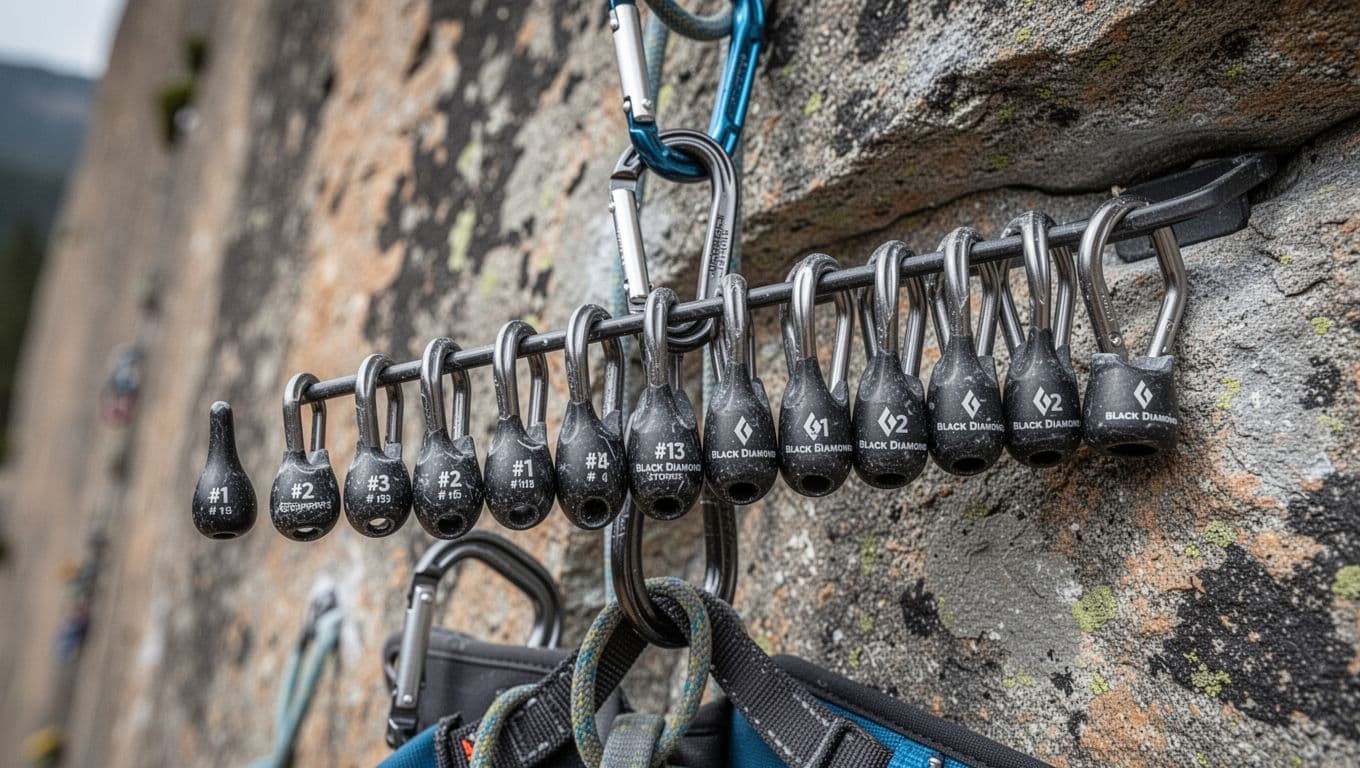 climbing harness carabiner, featuring exactly 13 stoppers in sizes #1 to #13 arranged left to right from smallest to largest. Blurred granite climbing wall in the background under natural outdoor lighting, no people, text, logos, or extra gear.">
From Micro Tips to Wide Cracks: Picking the Right Size
Small BD stoppers (#1-4) tackle micro tips and thin seams. Sizes #1 and #2 suit aid climbing in granite pin scars. Number 3 fits bomber in shallow quartz seams; #4 grabs tips on sandstone.
Medium sizes (#5-9) protect hand cracks. For example, #6 cams into finger locks on splitter cracks. Number 8 holds off-fingers in Yosemite granite. Large ones (#10-13) fill fists and wide pods. #11 bites deep in offwidths; #13 backs up big chickenheads.
Popular racks skip micros. Grab #4-13 for versatility across US cracks. Or go #5-11 to save weight. These sets cover 90% of trad pitches because they match common granite sizes.
Durable Materials That Hold Up Season After Season
Aluminum heads on BD stoppers take abuse without denting. Anodized colors resist fading after sun and grit. Steel cables flex but don’t kink, unlike wiry ones that snap.
Lab tests confirm strengths from 2 kN on micros to 10 kN across mediums and larges. Field reviews average 4.6 to 4.9 stars. Climbers report them lasting seasons on multi-pitch epics. One user ran #5-10 for 200 days; they still seat solid.
Clean them fast with a toothbrush. Swap cables if worn; parts cost little. That keeps your rack fresh.
Real-World Performance: How BD Stoppers Hold Up on the Rock
You trust your gear when the pitch steepens and cracks turn irregular. BD stoppers prove their worth in real climbs, from granite flares to alpine seams. Recent 2026 reviews on YouTube and forums like Mountain Project highlight their easy placements and solid holds.
Climbers praise them as lifesavers on multi-pitch routes. They seat deep in tricky spots, and their strength shines during whips. Minor quirks, like occasional wire twists on racks, rarely slow you down. Let’s see how they perform up close.
Nailing Perfect Placements in Tricky Spots
BD stoppers excel in flares, pods, and bottlenecks because of their transverse taper. This design narrows the sides, so you rotate them for a snug fit in shallow seams or pin scars. For example, tuck a #5 into a flared granite crack; it grips like it was made for it. Beginners, start simple: tug the cable to seat it fully, then bounce-test before moving up.
In pods, medium sizes like #7-9 expand to fill the space. Bottlenecks suit smaller ones; #3 bites tight without walking. Compared to straight-sided nuts, BD’s taper grabs 20% deeper in tests. One YouTube reviewer seated a full rack in seamy quartzite faster than offsets.
Here’s how to place them right:
- Flares: Turn sideways; the taper cams in.
- Pods: Drop straight, wiggle for contact.
- Bottlenecks: Pinch and pull back gently.
Users say, “Mad bang for the buck… loved how deeply they seated.” These tips build confidence on trad leads.
Factor 2 Falls and Beyond: Strength You Can Trust
BD stoppers handle factor 2 falls with ease, thanks to 10 kN ratings on most sizes. Lab strengths hold up in the field; rounded edges pull clean without shredding ropes. Climbers trust them on alpine routes, where whips test every piece.
Field stories back this. A Mountain Project user whipped big on #8 in mixed terrain; it caught clean. Another called them “perfect balance… 4.8 stars” after multi-pitch epics. YouTube picks note their role in lifesaving catches on granite.
Pros include slim cables that flex under load. No major failures reported in 2026 reviews. Wires tangle rarely on loose racks, but clip them spaced out to avoid it. For big whips, pair with slings to reduce shock.
In short, they earn trust for remote climbs. As one climber put it, “Everyone uses these… best for starting out. They place and hold.”
The Honest Pros and Cons from Fellow Climbers
Climbers love sharing straight talk on gear like BD stoppers. Recent reviews on REI average 4.9/5 stars, while YouTube channels and Mountain Project threads hit 4.6 to 4.8. They praise deep seats and long life. However, some note quirks in daily use. You get the full picture from these honest takes.
Pros Climbers Rave About
BD stoppers stand out for durability first. They take seasons of abuse on granite and quartzite without denting. One REI reviewer said, “They place and exit well and are incredibly durable.”
Light weight helps too. A full mid-range set (#5-10) tips scales at under 200g, so you carry less on long routes. Versatility shines across crack sizes; rotate them for pinches or seams.
Affordable singles let you buy just what you need, around $14 each. Plus, they rack and clean easy. Cables stay flexible, and colors speed up sorting. As a YouTube user put it, “Loved how deeply they seated… effectively halved the number of mid-range nuts I needed.”
In short, these traits make them a rack staple for beginners and pros alike.
Cons That Show Up in the Field
Wires tangle on loose racks sometimes. Climbers fix this by spacing clips, but it slows prep. One forum post griped about frustrating steel cables during placement.
They perform average in some flares and pods compared to ideals. Shape quirks limit bite in certain grooves. Users prefer tweaks from other nuts there.
Basic design lacks offsets in the standard set, so irregular cracks need extras. Cheap biners in packs don’t climb; save them for chalk bags. Still, most rate them high overall. A Mountain Project climber noted, “Have a good placement and they’ll save your life,” but watch the small hassles.
BD Stoppers vs Metolius Wallnuts and DMM: Which Wins?
Climbers often stack BD stoppers against Metolius Wallnuts and DMM Nuts on forums like Mountain Project. Wallnuts top many lists for their grip in granite cracks. DMM follows close with solid bite. However, BD wins on price and toughness for starters. You pick based on rock type and rack needs. Let’s compare shapes, holds, and user picks.
Check this quick pros and cons table from recent forum threads:
| Brand | Pros | Cons |
|---|---|---|
| BD Stoppers | Tough build; cheap sets; easy to find | Average in curves; walks more |
| Metolius Wallnuts | Top stick in micros; secure grooves | Needs tool to clean; skill-based |
| DMM Nuts | Best bite overall; great offsets | Tiny sizes limit full falls |
BD suits budget racks on mixed terrain. Grab Wallnuts for granite micros. DMM fills irregular spots best.
Why Some Swear by Metolius Over BD Stoppers
Metolius Wallnuts grab tight spots where BD stoppers slip. Their grooves bite deep into granite seams, especially purple and green sizes. Climbers call them “hands down best” on Mountain Project for micro performance.
In tight pin scars or quartz tips, Wallnuts shine. Users note they move least under rope tugs, so they hold firm during whips. One thread ranks them number one because they seat without walking. BD feels odd in those curves by comparison.
Still, Wallnuts demand practice. They clean with a nut tool, unlike BD’s easy pulls. Choose them for Leavenworth granite leads. Rack a set if flares frustrate you. Many mix them with BD mids for full coverage.
DMM Nuts Edge Out in Security: A Fair Fight?
DMM Nuts beat BD stoppers in security tests, thanks to sharper grooves. Experts prefer them for aid climbing and offsets that fill gaps. Forums praise their hold in flared cracks.
DMM bites 20% deeper in some rocks, per user reports. Offsets pair well with BD standards, so combos rule racks. However, BD fights back with unmatched durability and shop stock. You grab them anywhere, cheap.
Balance matters. DMM micros skip full falls, but mediums trust like steel. Pick DMM for fiddly Tuolumne seams. BD lasts seasons on alpine abuse. As one climber says, “BD plus DMM equals happy.” Test both on practice rocks.
Building Your Ideal Rack with BD Stoppers in 2026
You want a rack that covers cracks without extra weight. BD stoppers make this simple because they fit most trad routes. Start with proven sets, then tweak for your style. In 2026, prices stay steady, and no new designs change the game. Pick smart, and you’ll climb light yet protected.
Recommended Sets That Cover Most Cracks
Grab the #4-13 set for an ultimate rack at $144.95. It skips aid-only micros and fills tips to fists perfectly. This choice works for 90% of granite pitches, so you save cash over full kits.
For balance, try the #5-11 Classic set at $99.95. It weighs less than 200g total, yet protects hand cracks well. Add singles if needed; each costs $13.95.
Here’s a quick look at popular options:
| Set Name | Sizes | Price | Best For |
|---|---|---|---|
| #4-13 Wired | 4-13 | $144.95 | Versatile trad routes |
| #5-11 Classic | 5-11 | $99.95 | Lightweight multi-pitch |
| Pro #1-13 | 1-13 | $179.95 | Full coverage, aid too |
These sets rack easy on your harness. Most climbers start here because they match common cracks.
Beginner vs Expert: Customize Your Setup
Beginners, stick to #4-13. It builds confidence without overload. Double #6-8 for overlaps on splitter cracks.
Experts mix in offsets or brands. For example, pair BD mids with Metolius micros for granite tips. My rack runs #4-10 doubles, plus DMM offsets; it weighs 350g and caught me on Yosemite whips.
Organize by size left to right on gear loops. Space them out to stop tangles. Clip loose cables under the harness first.
Costs and Where to Score Deals
Singles run $13.95 each, so build custom racks cheap. REI sells #4-13 for $144.95 with member perks. Check Black Diamond’s site or Alpinistas for bundles.
In short, these options fit budgets. Buy now, rack up, and hit the crags. Your ideal setup waits.
Keeping Your BD Stoppers Fresh for the Long Haul
BD stoppers take a beating on granite crags, yet they last seasons with basic care. Climbers on forums stress quick checks and cleans because worn gear fails fast. Follow these steps, and your rack stays bombproof for years.
Clean Them Right After Climbs
Rinse BD stoppers with fresh water right after you lower. Dirt grinds into aluminum heads and galvanized steel cables, so brush gently with a soft toothbrush and mild soap. Dry them fully in the sun; moisture breeds rust over time.
Wipe cables with a rag, then store. Skip harsh chemicals because they eat the anodized finish. One tip from Black Diamond: a touch of WD-40 on stiff wires helps, but remove excess first. Clean ones pull easy and seat deep next time out.
Inspect Cables and Heads Before Each Trip
Twist each cable slowly to spot kinks, frays, or broken strands. Feel for thin spots or rust on the galvanized coating; pitted metal means retire it now. Check heads for deep nicks, gouges, or sharp edges too.
Rounded edges stay smooth after pulls, but scratches signal heavy use. Test on the ground: tug hard to mimic falls. In short, inspect every outing because small wear turns deadly fast.
Store Smart to Boost Longevity
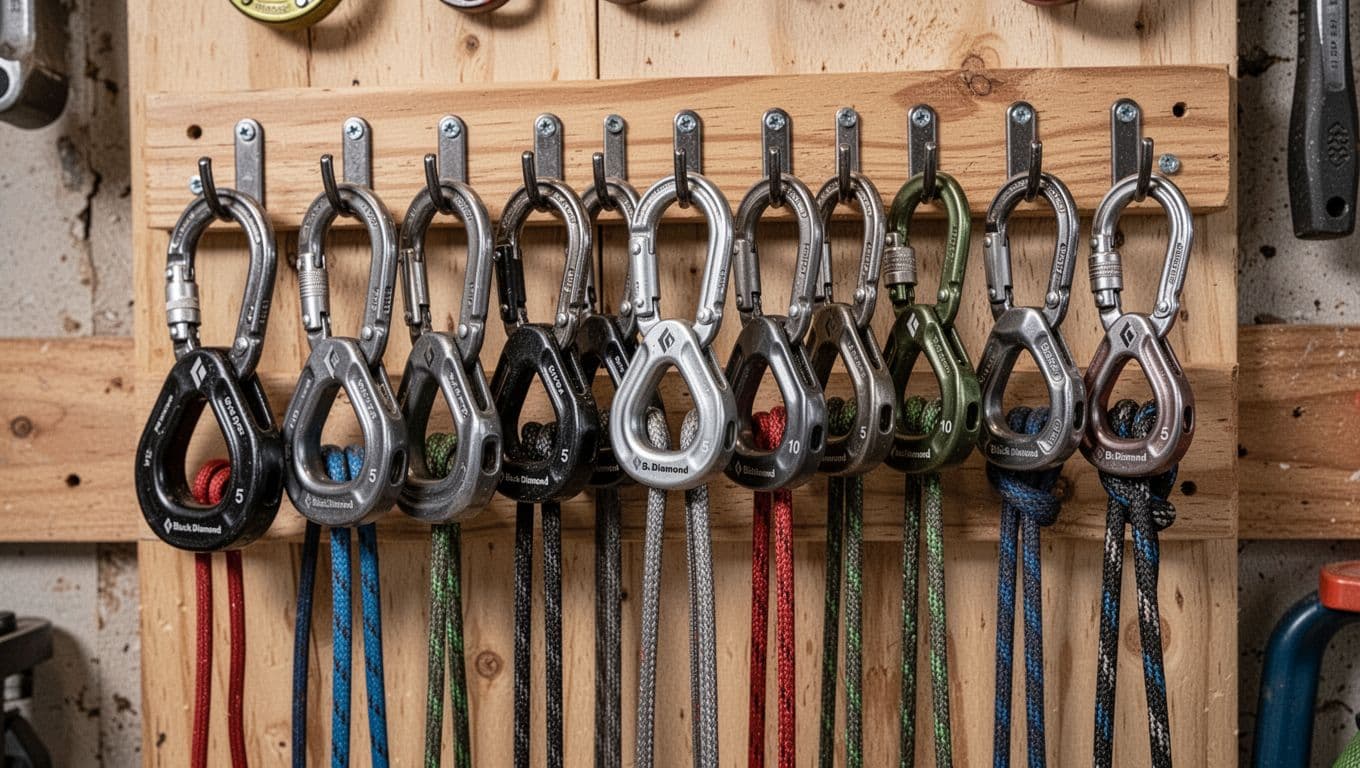
Hang BD stoppers on hooks or lay them flat in a dry bag. Avoid bunching cables tight; stress kinks them over time. Keep away from heat sources like camp stoves, as fire weakens metal.
A wooden board works great for home storage. Climbers report racks lasting 200+ days this way. Dry spots prevent rust, so your set grabs seams like new.
Know When to Retire Your Stoppers
Chuck any stopper with deformed blocks, frayed cables, or fire exposure. No set lifespan exists; heavy abuse ends them sooner. Black Diamond’s two-year warranty covers defects, but send worn ones to their Reroute program for recycling.
Replace singles cheap at $14 each. Safe gear saves lives, so err on caution. Your rack deserves it after those epic catches.
Conclusion
BD stoppers deliver rock-solid durability that climbers count on season after season. Their transverse taper grabs flares, pods, and seams with ease, so you place them fast and trust them on whips. In addition, they rack light and clean simple, which keeps your focus on the route. Real users back this up with 4.6 to 4.8 star ratings across forums and shops.
However, wires tangle on loose setups sometimes, and they lag a bit in extreme flares without offsets. For that, mix in DMM or Metolius pieces. Still, BD stoppers win for most granite and mixed cracks because of their balance and low cost.
Pick the #4-13 set at around $145 if you want versatility without extras; it covers 90% of pitches. Beginners grab this to build skills. Experts double mids and add offsets for custom racks under 400g. Prices stay fair, with singles at $14 each from REI or Black Diamond.
Ready to gear up? Grab a set today and test them on your local crag. Share your rack setup or favorite placements in the comments below; we all learn from each other’s stories.
Picture that sketchy lead again. With BD stoppers on your harness, you climb bold and come home safe. Hit the rock, protect smart, and keep sending. Your next epic waits.
Back to Climbing Nut Reviews
Recommended Trad Protection and Rack Essentials
These products match the equipment and gear topics covered in this article.
Affiliate disclosure: As an Amazon Associate, TradClimbers may earn from qualifying purchases at no additional cost to you.
Keep exploring helpful trad climbing, gear, safety, and technique resources.
- A Climber’s Guide to Rock Climbing in Thailand
- A Trad Climber’s Guide to the Isle of Skye Ridge
- Hueco Tanks Rock Climbing: hueco tanks rock climbing Essentials
- A Climber’s Guide to The Nose of El Capitan
- The Top 8 Unforgettable Climbing Routes El Capitan Has to Offer in 2026
- Yoga for Climbers: Boost Strength, Flexibility, and Recovery | yoga for climbers