

Thinking about getting an Ancheer electric bike? That’s cool. They seem pretty popular. But what about keeping it charged up? The Ancheer Electric Bike Charger is what we’re looking at today. It’s pretty important to get this right so your bike actually works when you want to ride it. Let’s break down what you need to know about the Ancheer Electric Bike Charger.
Key Takeaways
- The Ancheer Electric Bike Charger has specific power output details and charging speeds you should be aware of.
- Make sure the charger you have is compatible with your specific Ancheer e-bike model.
- Following proper charging practices, like initial charge times and safe environments, helps your battery last.
- Using the correct Ancheer Electric Bike Charger can help prevent damage to your battery cells.
- If you run into problems, knowing how to troubleshoot or when to contact support for your Ancheer Electric Bike Charger is helpful.
Understanding The Ancheer Electric Bike Charger
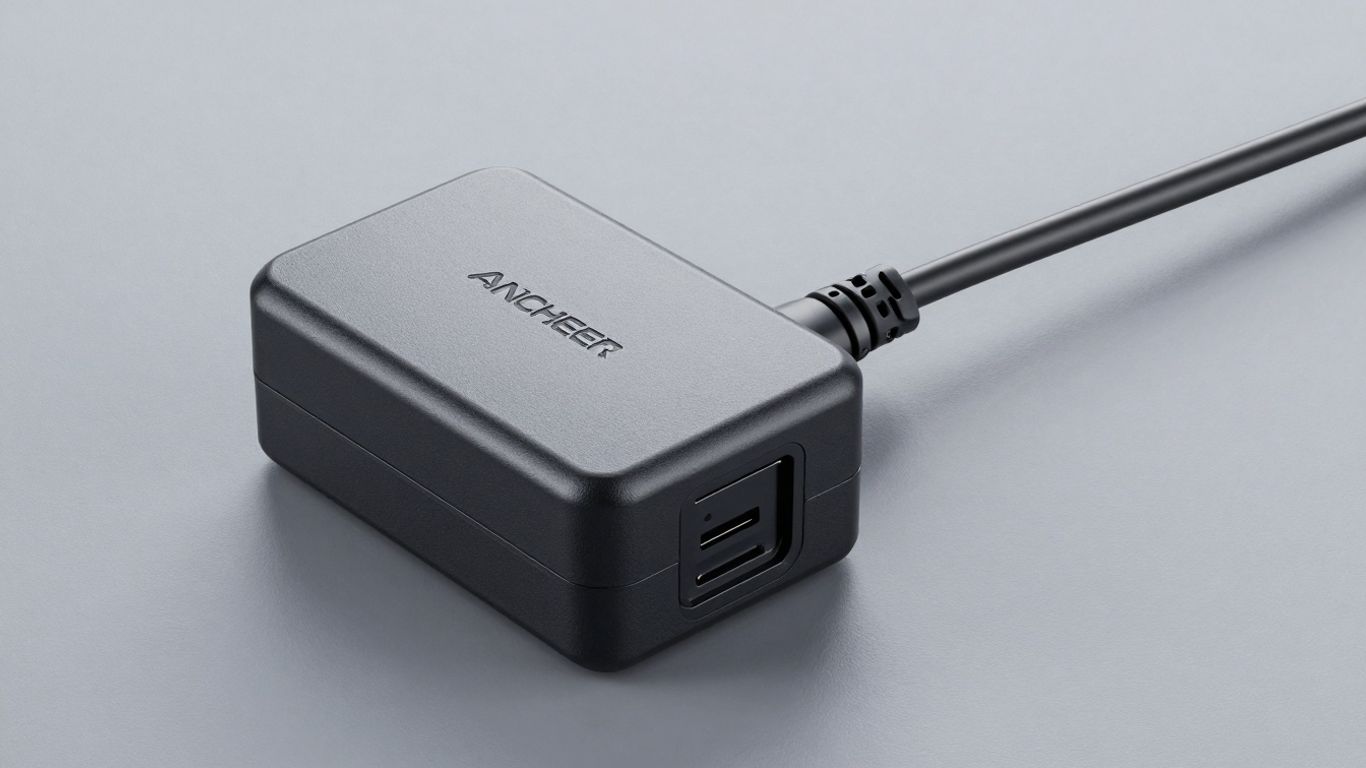
So, you’ve got yourself an Ancheer electric bike, which is pretty cool. Now, let’s talk about keeping that battery juiced up with the right charger. It’s not just about plugging it in; there are some specifics to know.
Charger Specifications
When you’re looking at the Ancheer charger, you’ll want to pay attention to a few key details. These aren’t super complicated, but they matter for getting your bike ready to roll.
- Input Voltage: Make sure it matches your home’s power supply (usually 100-240V AC).
- Output Voltage: This needs to match your bike’s battery voltage (commonly 36V or 48V for Ancheer bikes).
- Output Current (Amps): A higher amp rating generally means a faster charge.
- Connector Type: It should fit snugly into your bike’s charging port. Ancheer typically uses standard connectors, but it’s always good to double-check.
Compatibility With Ancheer Models
Not all chargers are created equal, and they aren’t always interchangeable between different e-bike models, even within the same brand. It’s really important to use the charger that’s designed for your specific Ancheer bike. Using the wrong one could potentially damage your battery or, worse, be a safety hazard. Biking ties right into outdoor enthusiasts like hikers and campers.
Always check your bike’s manual or Ancheer’s official website to confirm which charger is compatible with your model. They often list specific charger part numbers or voltage/amp combinations.
Power Output And Charging Speed
The charger’s power output directly affects how quickly your battery gets back to full. You’ll usually see this listed in watts (W) or as a combination of voltage (V) and amperage (A) (Watts = Volts x Amps).
- Standard Chargers: These might take anywhere from 5 to 8 hours for a full charge, depending on battery size.
- Quick Chargers: Some Ancheer models might offer or support faster chargers, potentially cutting down charge time significantly. These usually have a higher amperage rating.
For example, a 36V 2A charger outputs 72W (36 * 2), while a 36V 4A charger outputs 144W, meaning the latter will charge your battery roughly twice as fast, assuming the battery can accept that rate.
Optimal Charging Practices For Your Ancheer Battery
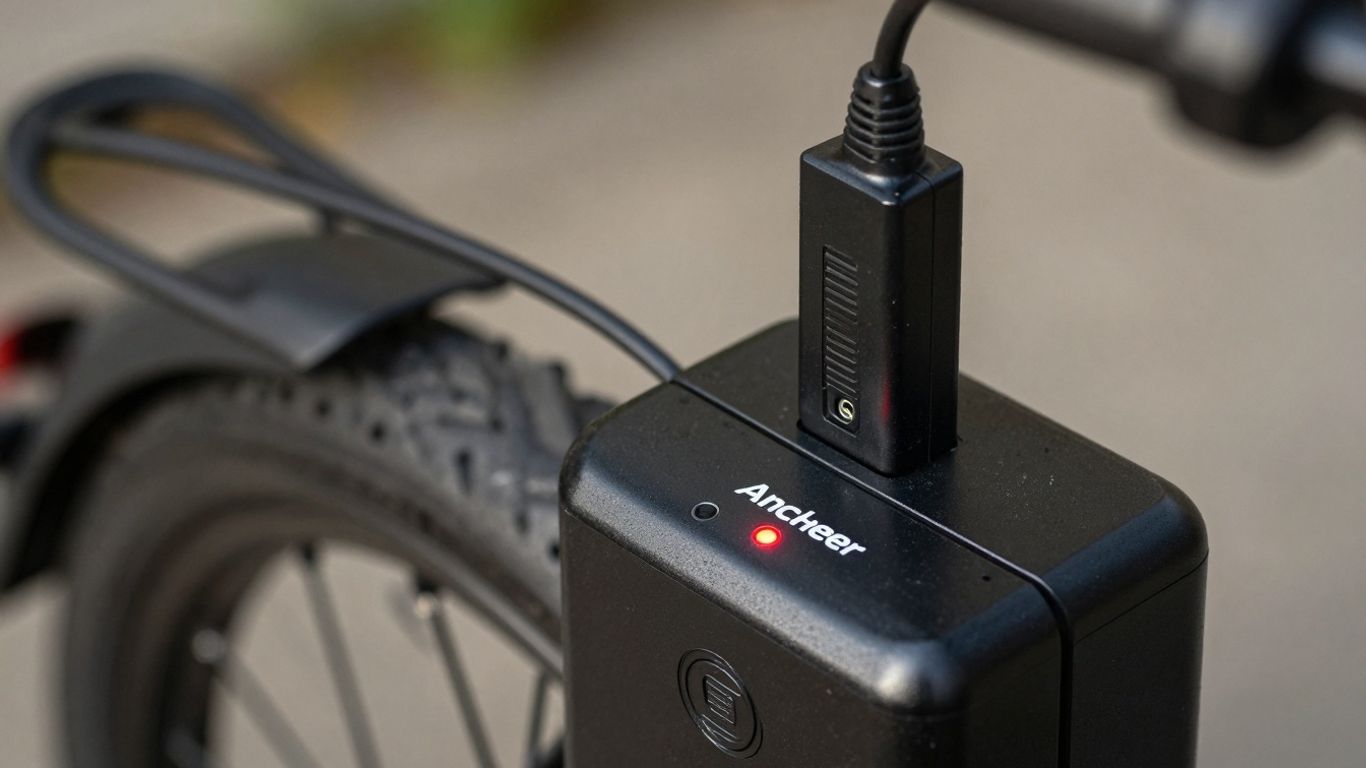
So, you’ve got your Ancheer e-bike, and now it’s time to keep that battery happy. It’s not rocket science, but doing it right makes a big difference in how long your battery lasts and how well your bike performs. Let’s break down how to charge it up properly.
First Charge Duration
When you first unbox your Ancheer e-bike, that battery probably isn’t at 100%. The general advice is to give it a full charge before your very first ride. This initial charge can take a bit longer than usual, often around 6 to 8 hours. Think of it as waking up the battery cells and getting them ready for action. Don’t rush this; let it complete the cycle.
Subsequent Charging Times
After that first big charge, you won’t need to keep it plugged in for quite as long. For regular top-ups, you’re typically looking at about 5 hours for a full charge. It’s a good idea to charge it after most rides, especially if you’ve used a good chunk of the battery. Keeping it topped up, but not constantly plugged in, is the sweet spot.
Safe Charging Environment
Where you charge your battery matters. You want a spot that’s:
- Cool and Dry: Avoid extreme temperatures, both hot and cold. Charging in a garage on a scorching summer day or a freezing winter night isn’t ideal.
- Well-Ventilated: Batteries can get a little warm during charging. Make sure there’s some airflow around it.
- Away from Flammables: Keep the charging area clear of anything that could easily catch fire, like paper, fabrics, or solvents.
- Supervised: Never leave a battery charging unattended, especially overnight. It’s just a good safety habit to have.
Charging your e-bike battery correctly isn’t just about convenience; it’s about safety and making sure your investment lasts. Following these simple guidelines will help keep your Ancheer battery in good shape for many rides to come.
Ensuring Battery Longevity With The Right Charger
Taking care of your Ancheer electric bike’s battery is super important if you want it to last a long time and keep performing well. It’s not just about plugging it in and walking away; there are a few things to keep in mind. Using the correct charger is the first step, but how you use it matters too.
The Importance Of Balance Charging
When you’re dealing with lithium-ion batteries, like the ones in most Ancheer bikes, balance charging is a big deal. Think of it like making sure everyone in a group is working at the same pace. If one cell in the battery pack gets too full or too empty compared to the others, it can cause problems. This imbalance can lead to reduced battery life and, in worst-case scenarios, damage to the cells. The Ancheer charger is designed to handle this, but it’s good to know why it’s important. It helps distribute the charge evenly across all the battery’s cells.
Integrated Battery Management Systems
Most modern e-bike batteries, including those from Ancheer, come with a built-in Battery Management System (BMS). This is like a smart guardian for your battery. The BMS constantly monitors things like voltage, temperature, and current. It steps in to prevent overcharging, over-discharging, and overheating, all of which can shorten the battery’s lifespan. It’s a key piece of technology that works behind the scenes to keep your battery safe and healthy. You don’t have to do much, but knowing it’s there is reassuring.
Preventing Cell Damage
Cell damage can happen in a few ways, but often it’s related to charging and discharging habits. For instance, constantly draining the battery completely before recharging can stress the cells. Similarly, leaving a battery plugged in for days after it’s full isn’t ideal, even with a BMS. It’s best to unplug it once it reaches 100%. Also, avoid charging in extreme temperatures, whether that’s scorching heat or freezing cold.
A moderate environment is best for the battery’s health. If you’ve ever dropped your battery or it’s taken a hard knock, it’s worth getting it checked out before charging, as physical damage can lead to internal issues. For more general tips on keeping your electric bike in top shape, check out this maintenance guide for electric trikes.
Proper charging habits are key to maximizing your Ancheer battery’s lifespan. This includes using the correct charger, avoiding extreme temperatures during charging, and not leaving the battery plugged in indefinitely after it’s full. The integrated BMS plays a vital role, but user practices complement its function.
Here’s a quick rundown of good practices:
- Use the original Ancheer charger: Always stick with the charger that came with your bike or an official replacement. Using third-party chargers can be risky.
- Charge in a safe spot: Find a cool, dry place away from flammable materials. Don’t charge your battery in a confined space like a car or shed.
- Avoid full drains: Try not to let the battery die completely on every ride. It’s better for the cells if you recharge when there’s still a bit of juice left.
- Unplug when full: Once the charger indicates the battery is at 100%, disconnect it. Don’t leave it plugged in for extended periods.
Troubleshooting Common Ancheer Charger Issues
Even the best gear can run into hiccups now and then. If your Ancheer electric bike charger isn’t behaving like it should, don’t panic just yet. A lot of the time, these issues are pretty straightforward to sort out.
Identifying Faulty Chargers
Sometimes, it’s hard to tell if the problem is with the charger itself or something else, like the battery or even the bike’s charging port. Here are a few signs that your charger might be the culprit:
- No lights or inconsistent lights: A healthy charger usually has indicator lights to show its status (charging, fully charged, error). If the lights are off when it should be on, or blinking erratically, that’s a red flag.
- Charger feels unusually hot: While chargers do get warm during use, excessive heat that makes it uncomfortable to touch is not normal and could indicate an internal problem.
- Battery not charging at all: If you’ve tried multiple outlets and confirmed your battery isn’t the issue, a dead charger is a likely cause.
- Slow charging: If your bike suddenly takes way longer to charge than it used to, and you’ve ruled out environmental factors or battery age, the charger might be losing its efficiency.
When To Replace Your Charger
Deciding when to retire an old charger is important for safety and battery health. You should definitely consider getting a new one if:
- Visible damage: Look for any cracks in the casing, frayed wires, or bent pins on the plug. Physical damage is a clear sign it’s time for a replacement.
- Intermittent charging: If the charger only works sometimes, or you have to wiggle the cable just right to get it to connect, it’s unreliable and potentially unsafe.
- Persistent error indicators: If your charger has an error light that won’t go away, or if it consistently fails to charge the battery fully, it’s probably beyond repair.
- Age: While not a strict rule, chargers, like all electronics, have a lifespan. If yours is several years old and you’re starting to see issues, it might be nearing the end of its service life.
It’s always better to err on the side of caution when it comes to charging electronics. A faulty charger can not only damage your expensive e-bike battery but also pose a fire risk. If you have any doubts about its condition, replacing it is the safest bet.
Contacting Support For Assistance
If you’ve gone through the troubleshooting steps and are still stumped, or if you suspect your charger is faulty but aren’t sure how to proceed, reaching out to Ancheer’s customer support is your next best move. They can help you:
- Diagnose the problem: They might have specific troubleshooting steps for your model or be able to tell you if the issue is common.
- Warranty claims: If your charger is still under warranty, they can guide you through the process of getting a replacement.
- Order a new charger: If it’s out of warranty or damaged, they can help you purchase the correct, official replacement charger for your specific Ancheer e-bike model. Using an unapproved charger can void your warranty and potentially harm your battery.
Performance And Reliability Of The Ancheer Electric Bike Charger
So, how does the Ancheer electric bike charger actually hold up when you put it to the test? We’ve looked at the specs and the best practices, but what do real users and the charger itself say about its performance and how long it’s likely to last?
User Experiences and Reviews
Most folks seem pretty happy with the charger. People often mention that it does exactly what it’s supposed to do – charge the bike battery. One user specifically said, “It is the item I wanted, it works perfectly, charge my bike right away.” That’s usually a good sign when a product just works without fuss. Of course, you’ll always find a few who have issues, but the general vibe is positive. It seems to get the job done without a lot of drama, which is what you want when you just need to juice up your ride.
Durability and Build Quality
When it comes to build quality, the Ancheer charger generally feels solid. It’s not usually described as flimsy or cheap. The casing is typically made from durable plastic that can handle the usual bumps and knocks of being around a bike and garage. The connectors are designed to fit snugly, which helps prevent loose connections that could cause charging problems or even be a safety hazard. While it’s not built like a tank, it seems to be made well enough to last for a good while with normal use. Just remember to keep it out of the rain and extreme temperatures, like any electronic device.
Consistent Charging Performance
One of the most important things for any charger is that it consistently delivers power to your battery. The Ancheer charger generally does this well. It’s designed to provide the correct voltage and amperage for Ancheer batteries, helping to avoid overcharging or undercharging. This consistency is key for battery health over the long haul. You can expect it to take around 5-8 hours for a full charge, depending on how depleted the battery is. It’s not the fastest charger out there, but it’s reliable for getting your battery back to full power safely.
It’s always a good idea to use the charger that came with your e-bike, or one specifically recommended by the manufacturer. Using the wrong charger can damage your battery or even create a fire risk. The Ancheer charger is built to work with their specific battery systems, so sticking with it is usually the safest bet.
Here’s a quick look at what you might expect:
- Charging Time: Typically 5-8 hours for a full charge from empty.
- Output: Matched to Ancheer battery specifications (e.g., 48V for specific models).
- Indicator Lights: Usually includes LEDs to show charging status (e.g., red for charging, green for fully charged).
- Safety Features: Built-in protections against overcharging and short circuits.
Wrapping It Up
So, after looking into the Ancheer electric bike charger, it seems like a pretty straightforward piece of gear. It gets the job done, charging up your bike so you can get back to riding. While there aren’t a ton of fancy features, it does what it’s supposed to do. Just remember to follow those safety tips – never leave it charging alone and make sure it’s in a good spot. For most folks just looking to keep their Ancheer e-bike powered up and ready to go, this charger should be a solid choice. It’s not complicated, and that’s often a good thing when you just want to ride.
Frequently Asked Questions
How long does it take to charge my Ancheer electric bike battery?
The very first charge usually takes a bit longer, around 6 to 8 hours. After that, subsequent full charges typically take about 5 hours. It’s always best to let it charge fully before you ride.
Can I use a charger that didn’t come with my Ancheer bike?
It’s strongly recommended to only use the charger provided by Ancheer. Using a different charger might not work correctly or could even harm your battery, which is a safety risk.
Is it safe to leave my bike charging overnight?
While it might seem convenient, it’s best not to leave your battery charging unattended, day or night. Always keep an eye on it while it’s plugged in.
What should I do if my Ancheer charger isn’t working?
First, check if the charger is plugged in correctly and if the outlet is working. If it still doesn’t work, the charger might be broken. You may need to contact Ancheer support for help or a replacement.
Do I need to worry about balance charging my Ancheer battery?
Ancheer batteries are designed with built-in systems to manage charging safely. You don’t need to worry about separate balance charging like you might with hobby batteries; just use the official charger.
Where is the best place to charge my Ancheer e-bike battery?
Always charge your battery in a well-ventilated area, away from anything that can easily catch fire, like curtains or paper. Avoid charging in very hot places or enclosed spaces like a car or shed.
Recommended Climbing Products
These products can improve fit, mobility, and comfort during long climbing days.
Affiliate disclosure: As an Amazon Associate, TradClimbers may earn from qualifying purchases at no additional cost to you.
Keep exploring helpful trad climbing, gear, safety, and technique resources.