

Climbing puts a lot of stress on your hands and fingers. You know, all that gripping and holding on can really wear you out and that is why using cool climbing chalk bags and accupressure rings is a must recovery is a big deal for climbers, and sometimes we need extra help to get our hands feeling good again. That’s where things like acupressure rings come in. They might seem simple, but these little coils could be a game-changer for keeping your fingers in shape for the next climb.
Key Takeaways
- Acupressure rings are small, coiled metal bands that you roll over your fingers.
- They help with finger recovery by massaging tendons and tissues, potentially improving fluid exchange.
- Using acupressure rings can help break up adhesions and scar tissue in the finger and hand.
- These rings are a convenient and portable self-care tool for climbers to use anywhere.
- While helpful, it’s important to use acupressure rings cautiously to avoid causing more inflammation.
Understanding Acupressure Rings for Climbers
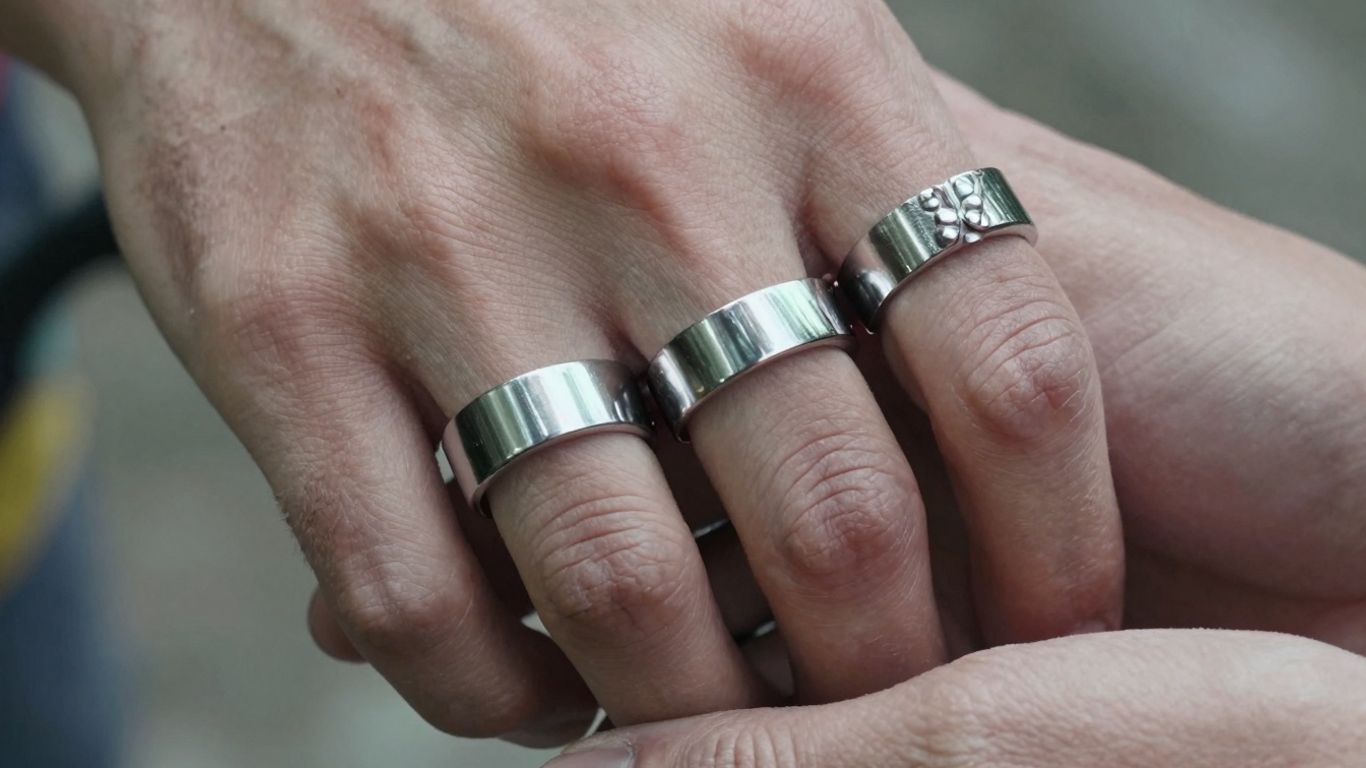
What Are Acupressure Rings?
Acupressure rings are small, often metal, coils that you can slide onto your fingers. They look pretty simple, right? But don’t let their minimalist design fool you. These little gadgets are designed to apply gentle pressure to specific points on your fingers, similar to how acupuncture works but without needles. The idea is to stimulate blood flow and encourage relaxation in the tissues. They’re made of metal, usually stainless steel or copper, and have a ridged or textured surface that massages your finger as you roll the ring up and down.
How Acupressure Rings Aid Finger Recovery
Climbing puts a serious beating on your hands and fingers. All that gripping, crimping, and hanging can leave your tendons and muscles feeling tight and sore. Acupressure rings come into play here as a tool for self-massage. By rolling the ring along your finger, you’re essentially giving yourself a mini-massage. This can help to break up minor adhesions, reduce stiffness, and promote better circulation in the finger tissues. Think of it like a targeted massage for your digits after a long day on the rock.
The Mechanical Benefits of Acupressure Rings
Beyond the traditional acupressure concepts, there are some straightforward mechanical benefits. When you roll the ring up and down your finger, it acts like a squeegee. It can help to push fluid, like interstitial fluid, out of the finger tissues. This can be really helpful for reducing swelling and improving the overall suppleness of your fingers. It’s a simple, physical action that can make a noticeable difference in how your fingers feel, especially after intense climbing sessions.
Here’s a quick look at what they do:
- Stimulate Circulation: Helps get blood flowing to tired finger muscles.
- Reduce Stiffness: Massages tendons and tissues, making them more flexible.
- Aid Fluid Movement: Acts like a squeegee to help reduce minor swelling.
While scientific studies specifically on acupressure rings for climbers might be limited, many climbers find them to be a useful addition to their recovery routine. It’s a low-tech, accessible way to give your hands some attention.
The Role of Acupressure Rings in Climbing Recovery
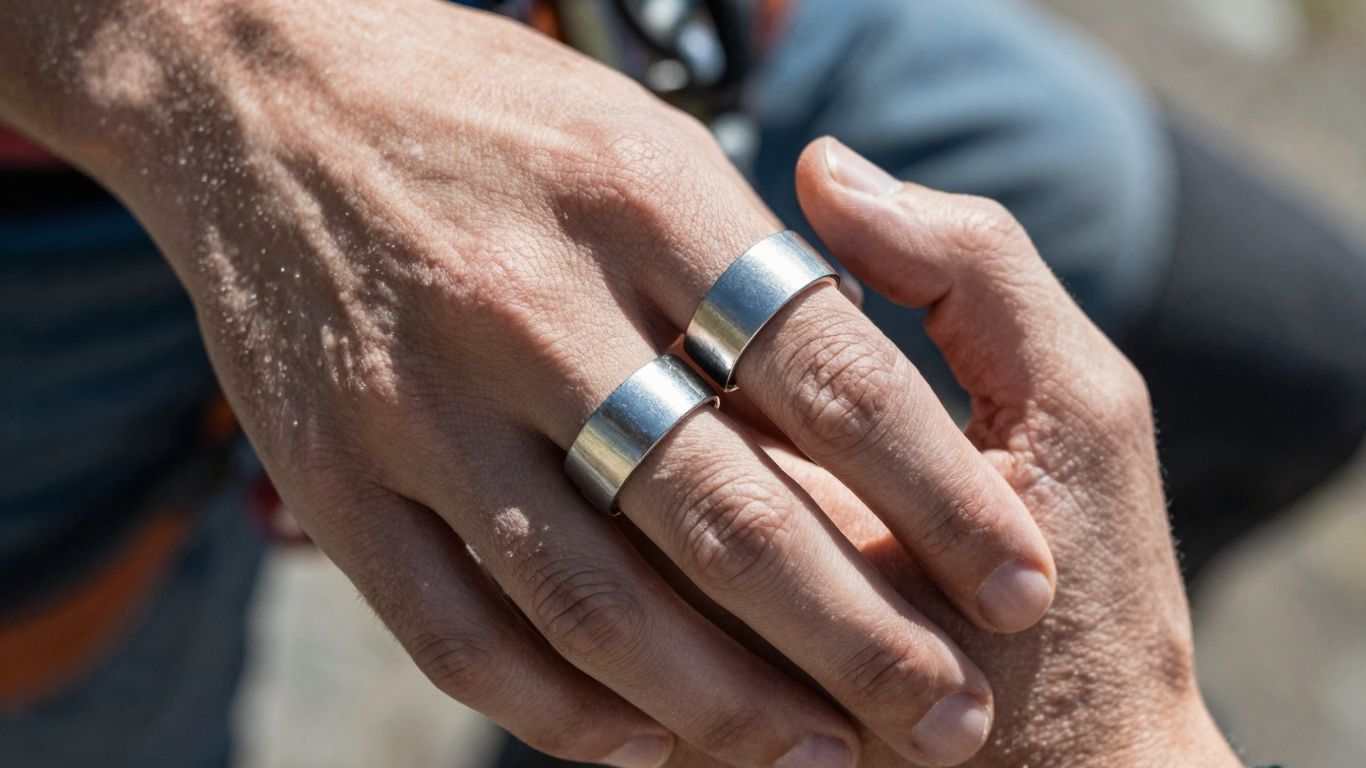
Addressing Hand and Finger Strain
Climbing puts a serious beating on your hands and fingers. All that gripping, crimping, and hanging can leave your tendons and tissues feeling tight and overworked. Acupressure rings are pretty simple tools, but they can make a difference in how your hands feel after a long day on the rock or at the gym. They work by applying gentle pressure along your fingers, which can help to loosen things up. Think of it like giving your fingers a mini-massage right where they need it most.
Promoting Fluid Exchange in Finger Tissues
When your fingers get strained, fluid can build up in the tissues. This isn’t great because it can make things feel stiff and slow down recovery. The rolling action of an acupressure ring can act like a little squeegee. As you roll it up and down your finger, it helps to push out that old, stagnant fluid. This encourages fresh blood flow and nutrients to get into the area, which is exactly what your fingers need to start healing and feeling better. It’s a way to help clear out the gunk and bring in the good stuff.
Complementing Other Self-Care Practices
An acupressure ring isn’t a magic bullet on its own, but it fits nicely into a broader recovery routine. You can use it while you’re driving, watching TV, or even just chilling on the couch. It’s a low-effort way to add some targeted care for your hands. Pairing it with things like forearm massage, stretching, or even just taking breaks during climbing sessions can really add up. It’s all about building a consistent approach to keeping your hands healthy so you can keep climbing longer and stronger.
Integrating Acupressure Rings into Your Routine
Convenience and Portability
One of the best things about acupressure rings is how darn easy they are to use and take with you. Seriously, these things are tiny. You can stash one in your chalk bag, your pocket, or even a small pouch on your climbing pack. This means you’re never too far from a quick finger massage, whether you’re at the crag, in the gym, or just chilling at home. They’re a super accessible tool for anyone looking to give their hardworking hands a little TLC. No need for fancy equipment or a dedicated space; just grab the ring and go.
Usage Techniques for Optimal Results
Using an acupressure ring isn’t complicated, but there are a few ways to get the most out of it. The basic idea is to roll the ring up and down each finger, from the base towards the fingertip. Apply gentle to moderate pressure – you’re aiming for a sensation that’s firm but not painful.
Think of it like giving your finger a mini-massage. You can also try holding the ring in place on different parts of your finger for a few seconds, especially on areas that feel a bit tight or sore. Some people find it helpful to move the ring in different directions, like side-to-side or in small circles, to really work into the tissue. It’s all about finding what feels good and helpful for your fingers.
Here’s a simple breakdown:
- Roll and Squeeze: Gently roll the ring up and down each finger, applying steady pressure. Aim to move fluid towards your heart.
- Targeted Pressure: Hold the ring on specific spots that feel tender or tight for 10-20 seconds.
- Directional Work: Experiment with rolling the ring in various directions (up/down, side-to-side) to address different tissue tensions.
- Listen to Your Body: Adjust pressure and duration based on how your fingers feel. If it hurts, ease up.
When to Use Acupressure Rings
So, when exactly should you be reaching for these little metal wonders? Pretty much any time your fingers feel tired, stiff, or achy is a good time. After a long climbing session, when your fingers feel like they’ve been through the wringer, is prime time. You can use them during rest breaks at the gym or crag to keep blood flowing and reduce that pumped feeling.
Many climbers find them useful while commuting or even just watching TV, basically, any downtime where you can give your hands a little attention. It’s also a good idea to use them preventatively, perhaps a few times a week, to keep your finger tissues supple and less prone to injury. Don’t wait until something hurts; consistent, gentle use can make a big difference.
It’s easy to get caught up in the idea that recovery tools need to be intense or time-consuming. But the beauty of acupressure rings lies in their simplicity and the fact that they can be integrated into your day without much fuss. Think of them as a quick tune-up for your most important climbing tools – your fingers.
Beyond Acupressure: Holistic Finger Care for Climbers
While acupressure rings are a neat tool for your fingers, they’re just one piece of the puzzle when it comes to keeping your hands happy and healthy for climbing. Think of it like this: you wouldn’t just use one type of hold to train, right? Your recovery and care should be just as varied.
The Importance of Hand and Finger Health
Your hands are your primary connection to the rock. Every crimp, every sloper, every dynamic move relies on the strength, flexibility, and resilience of your fingers, wrists, and forearms. Neglecting this intricate system is like expecting your car to run perfectly without ever changing the oil or checking the tire pressure. Consistent, multi-faceted care is what allows you to push your limits without breaking down. Ignoring minor aches or stiffness can lead to bigger problems down the line, sidelining you when you least expect it.
Forearm Massage and Its Impact
Don’t underestimate the power of your forearms! Many finger issues can actually stem from tightness or trigger points further up the arm. When the muscles in your forearm are overworked or constricted, they can put extra strain on the tendons that run down to your fingers. Regularly massaging your forearms, perhaps with a foam roller or even just your hands, can help release this tension. This can improve blood flow and reduce the pulling sensation on your finger tendons, indirectly aiding finger recovery and preventing issues like tendonitis.
Here’s a simple routine you can try:
- Warm-up: Gently warm up your forearms with some light circular motions.
- Massage: Use your thumbs or a massage ball to work through the muscles of your forearm, from your elbow down to your wrist. Focus on any tender spots.
- Stretch: Finish with some gentle forearm stretches, extending and flexing your wrist.
Taping and Grip Modifications
Sometimes, the best way to care for your fingers is to be smart about how you use them. Taping can offer support to joints, especially if you’ve had a previous injury or feel a bit unstable on certain holds. It can act as a reminder to avoid extreme positions, like a full crimp that might aggravate an old injury. Additionally, consciously modifying your grip can make a huge difference. Try to use open-handed grips or half-crimps more often, especially on easier climbs, to give your finger tendons a break from the intense load of a full crimp. This preventative approach is key to long-term climbing health.
Paying attention to your hands means more than just using a massage ring. It involves understanding how your whole arm works together and making conscious choices about how you grip and support yourself on the wall. It’s about building a resilient system, not just fixing a single sore finger.
Potential Benefits and Considerations
Breaking Up Adhesions and Scar Tissue
When you’ve had a finger or hand injury, scar tissue can sometimes form. This can make things feel stiff and limit your movement. Acupressure rings, when used carefully, might help to gently work on these areas. The idea is that by applying pressure in different directions around the affected finger, you can help break down some of these tougher bands of tissue. It’s like a targeted massage for those small, stubborn spots that can hold you back. This process aims to restore more normal movement and reduce that feeling of tightness.
Cautionary Use and Avoiding Inflammation
While acupressure rings can be helpful, it’s super important to use them the right way. Pushing too hard, especially on an already sore or inflamed area, can actually make things worse. You don’t want to add more irritation to the pulleys or tendons in your fingers. Think of it like this: if you have a bruise, you wouldn’t want to keep poking it hard, right? The same applies here. It’s better to use lighter pressure and more frequent sessions than to go all out and cause more problems. Listen to your body; if it hurts more after using the ring, you’re probably doing too much.
Clinical Observations vs. Scientific Research
Lots of climbers and therapists have seen good results using acupressure rings, and they often share their experiences. These personal stories and observations are really useful for understanding how these tools might work in real-world situations.
However, it’s worth noting that there isn’t a ton of formal scientific research specifically on acupressure rings for climbing injuries. Most of the evidence we have right now comes from people trying it out and seeing what happens. While this anecdotal evidence is valuable, it’s not the same as a study with control groups and measurable outcomes. So, while many find them beneficial, it’s good to keep in mind that the scientific backing is still developing.
Wrapping It Up
So, there you have it. Acupressure rings might seem small, but they can make a real difference for climbers. They’re a simple way to help your fingers and hands recover after a tough day on the wall. Think of them as a little extra care for the tools you rely on most. They’re easy to use, you can take them anywhere, and honestly, they just feel good. Adding them to your routine could be a smart move for keeping your climbing game strong and your fingers happy.
Frequently Asked Questions
What exactly are acupressure rings and how do they work for climbers?
Acupressure rings are small, coiled metal bands that you roll up and down your fingers. They work by gently pressing on certain points, kind of like a mini massage for your fingers. For climbers, this can help ease soreness and stiffness after a tough climbing session.
Can acupressure rings really help my fingers recover after climbing?
Yes, they can! When you climb, your finger tissues can get tight and a bit swollen. Rolling these rings on your fingers helps to push out that extra fluid and bring in fresh blood. Think of it like squeezing a sponge to get the old water out and let new water in. This can make your fingers feel better and help them heal.
Are acupressure rings safe to use, or could they cause more problems?
They are generally safe if used correctly. It’s important not to press too hard, especially if you have an injury. Pushing too hard can make swelling worse or irritate the tendons. It’s best to use them gently and stop if you feel sharp pain. They’re meant to help, not hurt!
How often should a climber use acupressure rings?
You can use them pretty often! Many climbers find them helpful after climbing sessions or even during breaks. Some people use them while driving or watching TV. Just listen to your body; if your fingers feel tired or sore, give them a roll with the ring. Don’t overdo it if it causes discomfort.
Are there any specific ways to use acupressure rings for the best results?
Yes! You can roll the ring up and down your finger, focusing on the areas that feel tight or sore. Some people also move the ring in different directions, like side to side or in circles, to help break up any tightness in the tissues. Gently massaging the area around the finger, like the palm and forearm, can also be beneficial.
Do acupressure rings replace other recovery methods like stretching or massage?
Acupressure rings are a great addition to your recovery routine, but they don’t replace everything. They work well alongside other methods like stretching, forearm massage, and proper rest. Think of them as one tool in your toolbox for keeping your hands and fingers healthy and ready for the next climb.
Recommended Climbing Products
These products can improve fit, mobility, and comfort during long climbing days.
Affiliate disclosure: As an Amazon Associate, TradClimbers may earn from qualifying purchases at no additional cost to you.
Keep exploring helpful trad climbing, gear, safety, and technique resources.